Buy selfinvest.eu ?
We are moving the project
selfinvest.eu .
Are you interested in purchasing the domain
selfinvest.eu ?
domain@kv-gmbh.de · 0541-91531010
Buy selfinvest.eu ?
Do people weave tarantulas?
No, people do not weave tarantulas. Tarantulas are living creatures, not materials that can be woven. However, some cultures may use the silk produced by tarantulas for various purposes, such as making clothing or other items. But the act of weaving itself does not involve tarantulas. **
How can you weave wicker?
To weave wicker, you will need to start by soaking the wicker material in water to make it more pliable. Next, you can begin by creating a base or frame for your wicker project using thicker pieces of wicker. Then, you can weave thinner strands of wicker in an over-under pattern to create the desired design. Finally, you can secure the ends of the wicker strands by tucking them under or using a small amount of glue. With practice and patience, you can create beautiful wicker pieces through weaving. **

Similar search terms for Amanti-Art-Neutral-Weave
Top-Angebote
Products related to Amanti-Art-Neutral-Weave:
-
Amanti Art Calico Cat and Antlers by Fab Funky (23 x 28 in.), Framed Canvas Wall Art Print - Sylvie Beaded WhiteART DESCRIPTION: This image features a cat wearing reindeer antlers with green holly leaves and red berries. The background is decorated with falling snow against a light blue backdrop, emphasizing a festive, holiday theme.114,49 $*Shipping: 0,00 $Secure redirect to the provider
-
Paloma Neutral Layered Canvas Wall ArtTransform your space with the serene depth of the Paloma Neutral Layered Canvas Wall Art. This large vertical artwork combines rich, mixed-media textures, featuring woven burlap sacking, raised impasto plaster, and subtle linear ridges in an arched geometric design. Encased in a slim, elegant wooden frame, its muted palette of warm cream, taupe, and earth tones brings calming tactile sophistication to any interior. Ready to hang, this abstract canvas piece serves as a breathtaking focal point above a console, sofa, or mantelpiece in contemporary, Japandi, or modern minimalist homes. Dimensions: H120 x W80 x D3cm129,00 £*Shipping: 4,99 £Secure redirect to the provider
-
Compti Neutral Textured Canvas Wall ArtThe Compti Neutral Textured Canvas Wall Art is a sophisticated centerpiece for any high-end interior. This luxury canvas features a striking abstract composition of geometric blocks and organic curves in a refined palette of chocolate, tan, and cream. Its rich, tactile texture adds depth and character, while the slim gold frame provides a boutique finish. Perfectly sized for a living room or office, it brings a sense of modern, artistic elegance to your contemporary home. Dimensions: W 102.6 x D4.3 x H142.6cm279,00 £*Shipping: 4,99 £Secure redirect to the provider




-
Can one weave a scarf?
Yes, one can weave a scarf. Weaving a scarf involves using a loom to interlace yarn or thread to create a fabric. There are many different weaving techniques and patterns that can be used to create unique and beautiful scarves. With the right materials and some practice, anyone can learn to weave a scarf. **
-
How do you weave a net?
To weave a net, you first need to gather the materials such as string, rope, or twine. Then, you create a series of loops or knots to form the mesh pattern of the net. This can be done by using a weaving technique such as the over-and-under method. Finally, continue weaving the loops or knots until you reach the desired size of the net. **
-
Can tarantulas weave a spider web?
No, tarantulas cannot weave a traditional spider web like other species of spiders. They do not have the ability to produce silk from their spinnerets in the same way that other spiders do. Instead, tarantulas use their silk for lining their burrows, creating egg sacs, and sometimes for making trip wires to detect prey. Their silk is not used for constructing intricate webs for catching prey like other spiders. **
-
How can one weave with rattan?
To weave with rattan, you will need to first soak the rattan in water to make it more flexible and easier to work with. Then, you can start by creating a base structure using thicker pieces of rattan and securing them together. After the base is set, you can weave thinner rattan strands in and out of the base structure to create the desired pattern or design. It's important to keep the rattan moist while weaving to prevent it from drying out and becoming brittle. Once the weaving is complete, you can let the rattan dry and set to maintain its shape. **

How do you weave a basket?
To weave a basket, you first need to gather the materials such as reeds, vines, or other flexible plant fibers. Next, you start by creating a base by weaving the materials in a circular pattern. Then, you continue weaving the sides of the basket by adding more rows of weaving, making sure to keep the tension consistent. Finally, you can finish the basket by adding a rim or handle if desired. With practice and patience, you can create beautiful and functional baskets through the art of weaving. **
How do you weave a perm?
To weave a perm, you first need to section the hair into small, even sections. Then, you wrap each section of hair around a perm rod, making sure to keep the tension even to create a uniform curl pattern. After all the sections are wrapped, you apply the perm solution to the hair and let it process for the recommended time. Finally, you rinse out the perm solution, neutralize the hair, and carefully remove the perm rods to reveal the newly-permed curls. **
Top-Angebote
Products related to Amanti-Art-Neutral-Weave:
-
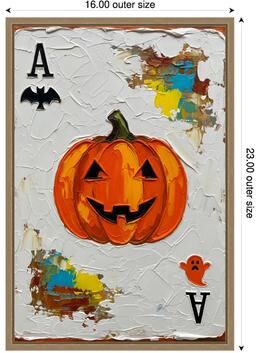
Amanti Art Halloween Ace Card by Hugo Framed Canvas Wall Art PrintA playful Halloween-themed ace card features a grinning jack-o'-lantern centered on richly textured white paint, accented with a bat, tiny ghost, and splashes of vivid color for a fun, festive statement.83,49 $*Shipping: 0,00 $Secure redirect to the provider
-
Amanti Art Calico Cat and Antlers by Fab Funky (23 x 28 in.), Framed Canvas Wall Art Print - Sylvie Beaded WhiteART DESCRIPTION: This image features a cat wearing reindeer antlers with green holly leaves and red berries. The background is decorated with falling snow against a light blue backdrop, emphasizing a festive, holiday theme.114,49 $*Shipping: 0,00 $Secure redirect to the provider
-
Do people weave tarantulas?
No, people do not weave tarantulas. Tarantulas are living creatures, not materials that can be woven. However, some cultures may use the silk produced by tarantulas for various purposes, such as making clothing or other items. But the act of weaving itself does not involve tarantulas. **
-
How can you weave wicker?
To weave wicker, you will need to start by soaking the wicker material in water to make it more pliable. Next, you can begin by creating a base or frame for your wicker project using thicker pieces of wicker. Then, you can weave thinner strands of wicker in an over-under pattern to create the desired design. Finally, you can secure the ends of the wicker strands by tucking them under or using a small amount of glue. With practice and patience, you can create beautiful wicker pieces through weaving. **
-
Can one weave a scarf?
Yes, one can weave a scarf. Weaving a scarf involves using a loom to interlace yarn or thread to create a fabric. There are many different weaving techniques and patterns that can be used to create unique and beautiful scarves. With the right materials and some practice, anyone can learn to weave a scarf. **
-
How do you weave a net?
To weave a net, you first need to gather the materials such as string, rope, or twine. Then, you create a series of loops or knots to form the mesh pattern of the net. This can be done by using a weaving technique such as the over-and-under method. Finally, continue weaving the loops or knots until you reach the desired size of the net. **
Similar search terms for Amanti-Art-Neutral-Weave
-
Paloma Neutral Layered Canvas Wall ArtTransform your space with the serene depth of the Paloma Neutral Layered Canvas Wall Art. This large vertical artwork combines rich, mixed-media textures, featuring woven burlap sacking, raised impasto plaster, and subtle linear ridges in an arched geometric design. Encased in a slim, elegant wooden frame, its muted palette of warm cream, taupe, and earth tones brings calming tactile sophistication to any interior. Ready to hang, this abstract canvas piece serves as a breathtaking focal point above a console, sofa, or mantelpiece in contemporary, Japandi, or modern minimalist homes. Dimensions: H120 x W80 x D3cm129,00 £*Shipping: 4,99 £Secure redirect to the provider
-
Compti Neutral Textured Canvas Wall ArtThe Compti Neutral Textured Canvas Wall Art is a sophisticated centerpiece for any high-end interior. This luxury canvas features a striking abstract composition of geometric blocks and organic curves in a refined palette of chocolate, tan, and cream. Its rich, tactile texture adds depth and character, while the slim gold frame provides a boutique finish. Perfectly sized for a living room or office, it brings a sense of modern, artistic elegance to your contemporary home. Dimensions: W 102.6 x D4.3 x H142.6cm279,00 £*Shipping: 4,99 £Secure redirect to the provider
-
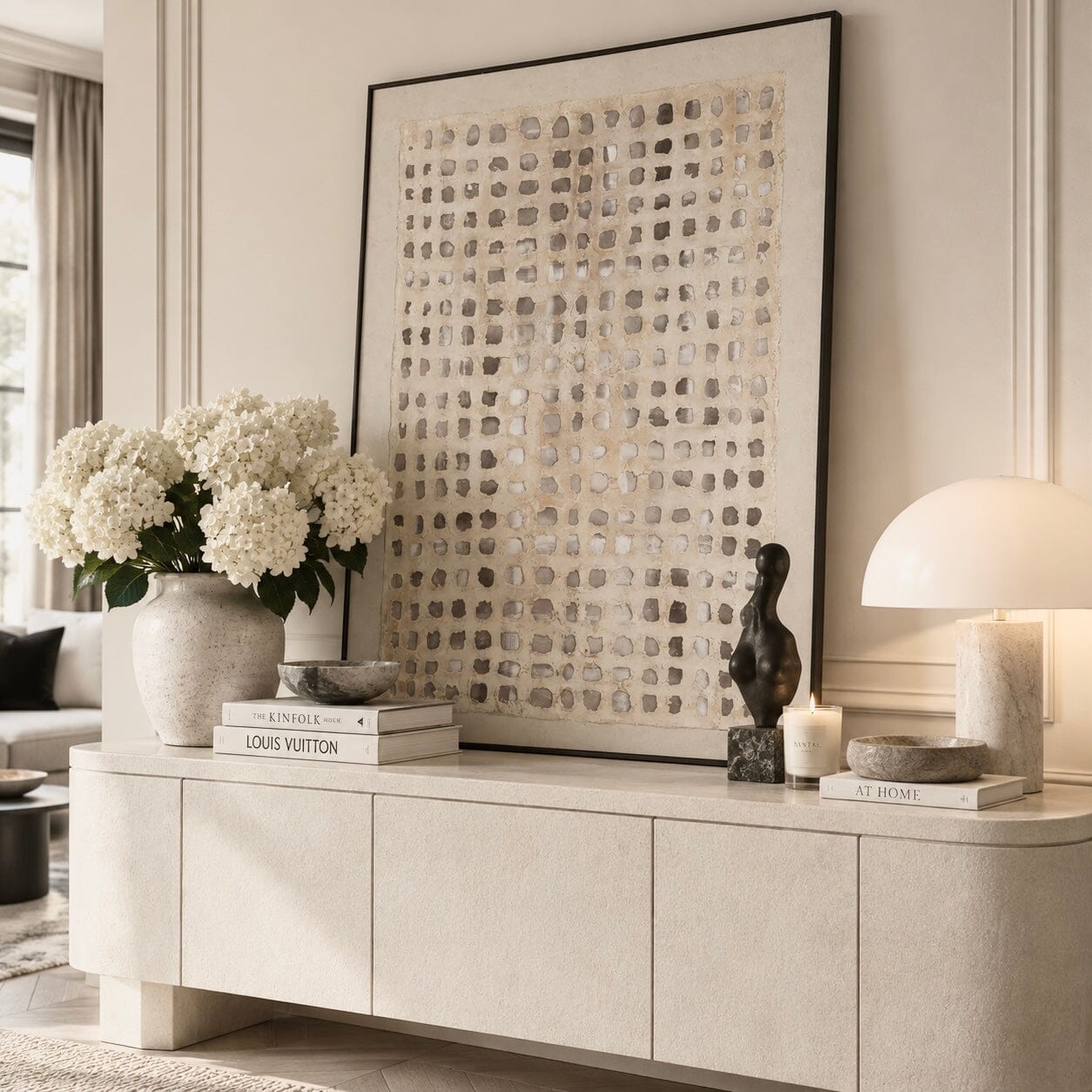
Zakynthos Neutral Textured Abstract Wall ArtThe Zakynthos Neutral Textured Abstract Wall Art is a sophisticated masterpiece for the modern home. This boutique piece features a captivating grid of organic, hand-finished textures in a serene palette of cream, sand, and soft grey. Housed in a minimalist dark frame with an elegant mount, it adds incredible tactile depth to any room. Perfect for creating a calm focal point, this artwork beautifully blends contemporary abstract style with refined, high-end artisanal charm. Dimensions: 120 x 90 x 3.5cm249,00 £*Shipping: 4,99 £Secure redirect to the provider
-
Cohen Neutral Textured Canvas Wall ArtThe Cohen Neutral Textured Canvas Wall Art adds sophisticated, modern texture to your home. This large, vertical canvas features an abstract landscape composition in a calming, earthy palette. The scene starts with a creamy off-white base, giving way to a bold, dark charcoal horizon line with visible impasto brushwork. Above, a textured sky of mixed taupes and beiges features subtle metallic silver and warm grey highlights. The distinct, visible paint strokes create a sense of movement and depth. Encased in a minimal black floating frame, this contemporary piece makes a striking statement on any neutral wall. Dimensions: H142.6 x W102.6 x D4.3cm279,00 £*Shipping: 4,99 £Secure redirect to the provider
-
Can tarantulas weave a spider web?
No, tarantulas cannot weave a traditional spider web like other species of spiders. They do not have the ability to produce silk from their spinnerets in the same way that other spiders do. Instead, tarantulas use their silk for lining their burrows, creating egg sacs, and sometimes for making trip wires to detect prey. Their silk is not used for constructing intricate webs for catching prey like other spiders. **
-
How can one weave with rattan?
To weave with rattan, you will need to first soak the rattan in water to make it more flexible and easier to work with. Then, you can start by creating a base structure using thicker pieces of rattan and securing them together. After the base is set, you can weave thinner rattan strands in and out of the base structure to create the desired pattern or design. It's important to keep the rattan moist while weaving to prevent it from drying out and becoming brittle. Once the weaving is complete, you can let the rattan dry and set to maintain its shape. **
-
How do you weave a basket?
To weave a basket, you first need to gather the materials such as reeds, vines, or other flexible plant fibers. Next, you start by creating a base by weaving the materials in a circular pattern. Then, you continue weaving the sides of the basket by adding more rows of weaving, making sure to keep the tension consistent. Finally, you can finish the basket by adding a rim or handle if desired. With practice and patience, you can create beautiful and functional baskets through the art of weaving. **
-
How do you weave a perm?
To weave a perm, you first need to section the hair into small, even sections. Then, you wrap each section of hair around a perm rod, making sure to keep the tension even to create a uniform curl pattern. After all the sections are wrapped, you apply the perm solution to the hair and let it process for the recommended time. Finally, you rinse out the perm solution, neutralize the hair, and carefully remove the perm rods to reveal the newly-permed curls. **
* All prices are inclusive of VAT and, if applicable, plus shipping costs. The offer information is based on the details provided by the respective shop and is updated through automated processes. Real-time updates do not occur, so deviations can occur in individual cases. ** Note: Parts of this content were created by AI.