Buy selfinvest.eu ?
We are moving the project
selfinvest.eu .
Are you interested in purchasing the domain
selfinvest.eu ?
domain@kv-gmbh.de · 0541-91531010
Buy selfinvest.eu ?
How does a dilution scheme with a dilution factor work?
A dilution scheme with a dilution factor works by taking a small volume of a concentrated solution and adding a specific amount of solvent to it to decrease the concentration. The dilution factor is calculated by dividing the final volume of the diluted solution by the initial volume of the concentrated solution. By following the dilution scheme and dilution factor, one can accurately prepare solutions of desired concentrations for experiments or analyses. **
Can I dilute the 1:20 dilution with a 1:15 dilution to make a 1:100 dilution?
No, you cannot dilute a 1:20 dilution with a 1:15 dilution to make a 1:100 dilution. When you dilute a solution, you are decreasing the concentration of the solute in the solution. In order to make a 1:100 dilution, you would need to start with a more concentrated solution and dilute it accordingly. Mixing two different dilutions together will not result in a precise 1:100 dilution. **


Similar search terms for Dilution
Top-Angebote
Products related to Dilution:
-
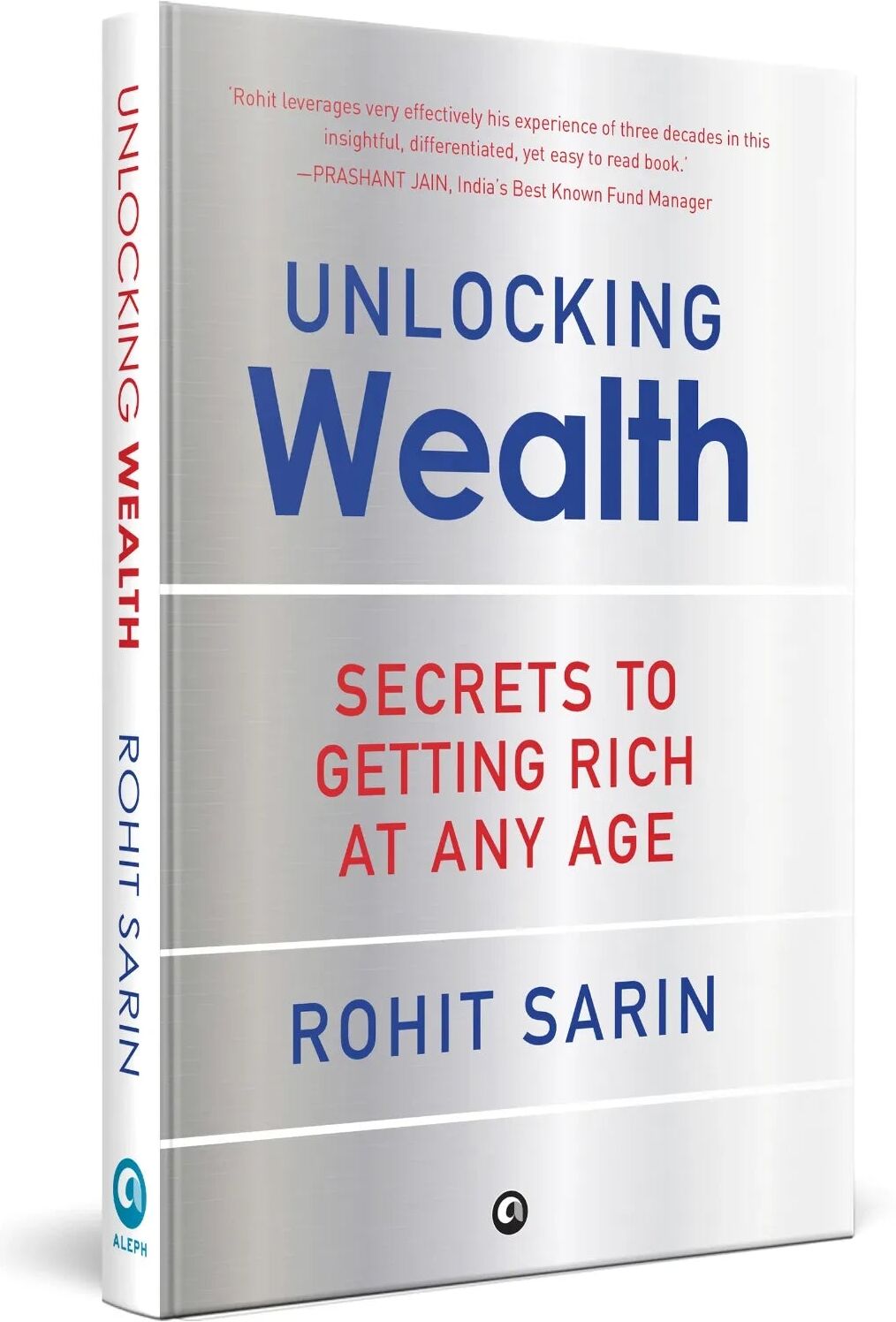
Unlocking Wealth: Secrets to Getting Rich at Any Age by Rohit Sarin - Personal Finance Hardback - Aleph Book Company -Unlocking Wealth: Secrets to Getting Rich at Any Age by Rohit Sarin is a practical guide to building lasting financial security. Written by wealth management veteran Rohit Sarin, this book draws on nearly three decades of advising some of India's wealthiest families. Sarin breaks down the mindset, habits, and strategies that separate those who build real wealth from those who don't. The book offers clear, actionable guidance on smart saving habits, sound investment principles, calculated risk-taking, and the psychological traps that keep people from building real wealth. Whether you're starting your career or already managing a substantial portfolio, this hardback provides useful insights for anyone looking to build lasting financial security.2,99 £*Shipping: 2,99 £Secure redirect to the provider
-
Quercus Publishing Financial Joy & The Wealth Habit by Ken & Mary Okoroafor - Paperback 2 Book Set - Personal Finance & Money HabitsAchieve financial freedom with this two-book collection by Ken and Mary Okoroafor. The set includes 'Financial Joy' and 'The Wealth Habit', two paperbacks that offer a complete roadmap to financial independence. Written from the authors' lived experience, this collection combines practical budgeting steps with small daily habits that compound into lasting wealth. The authors, founders of The Humble Penny and The Financial Joy Academy, share the strategies they used to pay off their mortgage and achieve financial independence by age 34. This set is ideal for anyone starting or restarting their money journey, and provides a life-changing plan to help readers turn their finances around while still enjoying life.13,99 £*Shipping: 2,99 £Secure redirect to the provider
-
Pokémon Mega Evolution 9-Pocket Portfolio for Trading Card Game Collectors - Ultra PROProtect your Pokémon Trading Card Game collection with this officially licensed 9-pocket portfolio from Ultra PRO. The cover features Mega Lucario, while the reverse shows Mega Kangaskhan, giving the portfolio a distinctive Mega Evolution design. Inside, you'll find 14 clear polypropylene pages, arranged to hold standard-size trading cards securely. Cards can be stored single-loaded, with one card in each pocket, or double-loaded, with cards placed back-to-back, providing space for up to 126 cards single-loaded or 252 cards double-loaded. The portfolio is designed to be archival-safe, acid-free, and non-PVC, making it perfect for storing and displaying your collection at home or while traveling.11,49 £*Shipping: 3,95 £Secure redirect to the provider
-
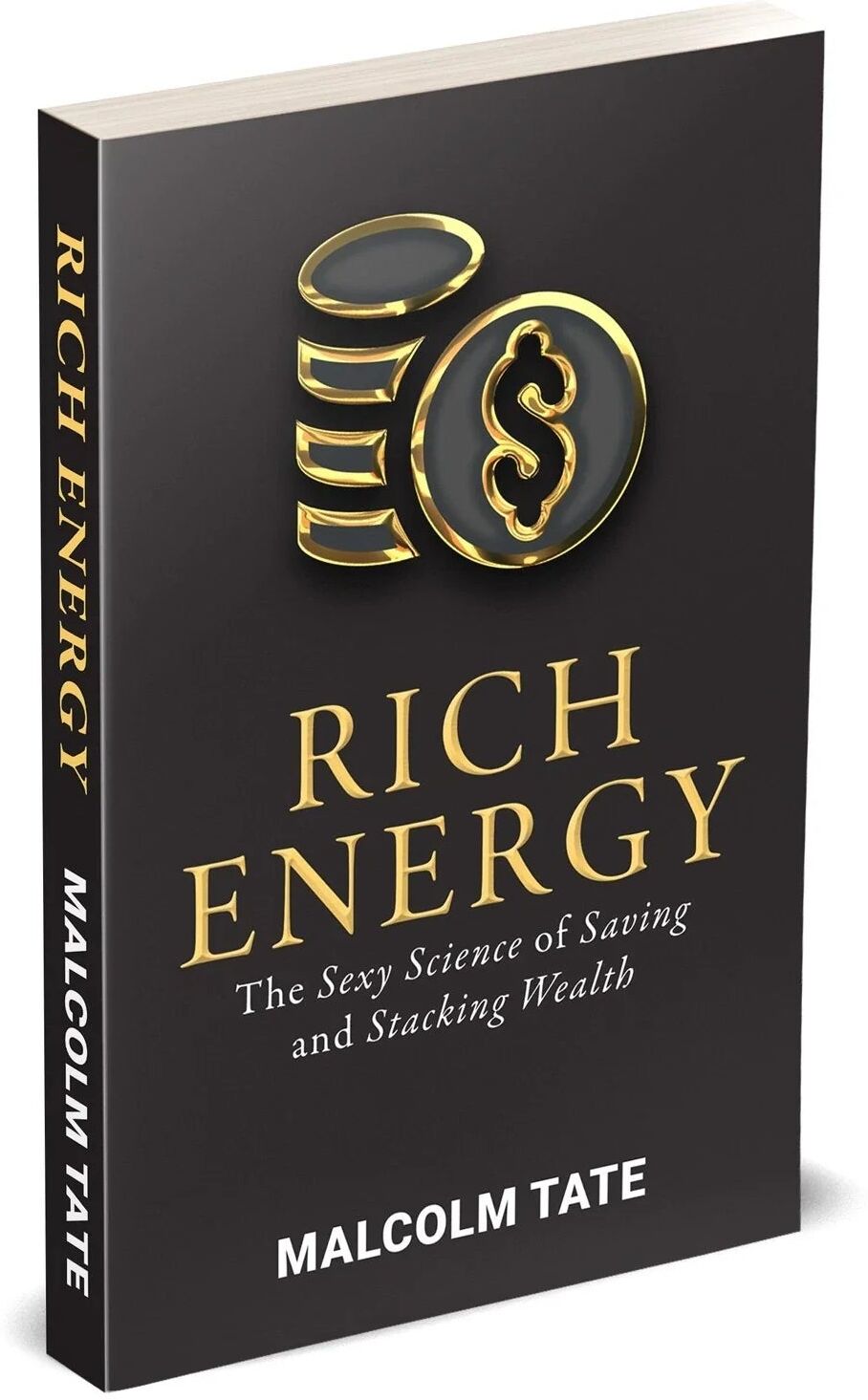
Rupa Publications RICH ENERGY: The Sexy Science of Saving & Stacking Wealth by Malcolm Tate - Paperback - Personal Finance & Money Mindset BookRich Energy: The Sexy Science of Saving; Stacking Wealth by Malcolm Tate is a contemporary take on personal finance that treats money as a mindset rather than a magic trick. Author Malcolm Tate reframes saving, spending, and investing as everyday habits rather than distant goals, giving readers a confident and accessible entry point into building lasting financial wellbeing without the jargon or judgment usually attached to money advice. This paperback book approaches personal finance as a lifestyle upgrade, focusing on the psychology behind spending triggers, the quiet discipline behind consistent saving, and the confidence that comes from understanding your financial situation. Published by Rupa Publications, this book offers a fresh perspective on managing your finances and achieving financial stability.2,99 £*Shipping: 2,99 £Secure redirect to the provider


-
What is a dilution task?
A dilution task is a type of cognitive task used in psychology and neuroscience research to measure attention and cognitive control. In a typical dilution task, participants are presented with a series of stimuli and are asked to respond to a target stimulus while ignoring distractors. The distractors are designed to be similar to the target stimulus, making it more challenging for participants to maintain focus and accurately respond. By measuring reaction times and accuracy on the task, researchers can assess an individual's ability to filter out irrelevant information and focus on the task at hand. **
-
Is this a dilution line?
No, this is not a dilution line. Dilution lines are typically used in scientific experiments to show the relationship between the concentration of a substance and its effect. This image does not appear to represent a dilution line as it shows a graph with multiple data points and no clear dilution trend. **
-
What is a dilution series?
A dilution series is a set of solutions that are prepared by sequentially diluting a stock solution with a solvent, typically water. Each solution in the series has a lower concentration of the original solute than the previous one. Dilution series are commonly used in scientific experiments to create a range of concentrations for testing the effects of different concentrations of a substance. By diluting the original solution multiple times, researchers can create a gradient of concentrations to study the response of a system to varying levels of the solute. **
-
How do you calculate dilution?
To calculate dilution, you need to know the initial concentration of the solution and the final desired concentration. The formula for dilution is C1V1 = C2V2, where C1 is the initial concentration, V1 is the initial volume, C2 is the final concentration, and V2 is the final volume. By rearranging the formula, you can solve for the final volume or the initial volume needed to achieve the desired concentration. This calculation is commonly used in chemistry and biology when preparing solutions of a specific concentration. **

What does brand dilution mean?
Brand dilution refers to the weakening of a brand's identity and value due to over-expansion or the introduction of lower quality products or services under the same brand name. This can occur when a brand extends into too many different product categories, leading to a loss of focus and confusion among consumers. It can also happen when a brand's reputation is tarnished by offering subpar or inconsistent products or services. Brand dilution can ultimately lead to a loss of customer loyalty and a decline in the brand's overall market position. **
Can you help me with dilution?
Of course! Dilution is a process of reducing the concentration of a solute in a solution by adding more solvent. To calculate the new concentration after dilution, you can use the formula: C1V1 = C2V2, where C1 is the initial concentration, V1 is the initial volume, C2 is the final concentration, and V2 is the final volume. If you provide me with the specific details of the solution you are working with, I can guide you through the dilution process step by step. **
Top-Angebote
Products related to Dilution:
-
Harriman House Meaningful Money 2 Books Collection Set by Pete Matthew - Handbook & Retirement Guide - Paperback - Personal FinanceThe Meaningful Money 2 Books Collection Set brings together two practical guides to personal finance by Pete Matthew, a Chartered Financial Planner with 25 years of industry experience. The set includes The Meaningful Money Handbook and The Meaningful Money Retirement Guide, both written in clear and actionable steps. The books work together to build lasting financial confidence, covering everyday money management and retirement planning. Written for adults, this paperback set is a comprehensive roadmap for anyone looking to get their finances in order or plan for retirement.22,99 £*Shipping: 2,99 £Secure redirect to the provider
-
Unlocking Wealth: Secrets to Getting Rich at Any Age by Rohit Sarin - Personal Finance Hardback - Aleph Book Company -Unlocking Wealth: Secrets to Getting Rich at Any Age by Rohit Sarin is a practical guide to building lasting financial security. Written by wealth management veteran Rohit Sarin, this book draws on nearly three decades of advising some of India's wealthiest families. Sarin breaks down the mindset, habits, and strategies that separate those who build real wealth from those who don't. The book offers clear, actionable guidance on smart saving habits, sound investment principles, calculated risk-taking, and the psychological traps that keep people from building real wealth. Whether you're starting your career or already managing a substantial portfolio, this hardback provides useful insights for anyone looking to build lasting financial security.2,99 £*Shipping: 2,99 £Secure redirect to the provider
-
Quercus Publishing Financial Joy & The Wealth Habit by Ken & Mary Okoroafor - Paperback 2 Book Set - Personal Finance & Money HabitsAchieve financial freedom with this two-book collection by Ken and Mary Okoroafor. The set includes 'Financial Joy' and 'The Wealth Habit', two paperbacks that offer a complete roadmap to financial independence. Written from the authors' lived experience, this collection combines practical budgeting steps with small daily habits that compound into lasting wealth. The authors, founders of The Humble Penny and The Financial Joy Academy, share the strategies they used to pay off their mortgage and achieve financial independence by age 34. This set is ideal for anyone starting or restarting their money journey, and provides a life-changing plan to help readers turn their finances around while still enjoying life.13,99 £*Shipping: 2,99 £Secure redirect to the provider
-
How does a dilution scheme with a dilution factor work?
A dilution scheme with a dilution factor works by taking a small volume of a concentrated solution and adding a specific amount of solvent to it to decrease the concentration. The dilution factor is calculated by dividing the final volume of the diluted solution by the initial volume of the concentrated solution. By following the dilution scheme and dilution factor, one can accurately prepare solutions of desired concentrations for experiments or analyses. **
-
Can I dilute the 1:20 dilution with a 1:15 dilution to make a 1:100 dilution?
No, you cannot dilute a 1:20 dilution with a 1:15 dilution to make a 1:100 dilution. When you dilute a solution, you are decreasing the concentration of the solute in the solution. In order to make a 1:100 dilution, you would need to start with a more concentrated solution and dilute it accordingly. Mixing two different dilutions together will not result in a precise 1:100 dilution. **
-
What is a dilution task?
A dilution task is a type of cognitive task used in psychology and neuroscience research to measure attention and cognitive control. In a typical dilution task, participants are presented with a series of stimuli and are asked to respond to a target stimulus while ignoring distractors. The distractors are designed to be similar to the target stimulus, making it more challenging for participants to maintain focus and accurately respond. By measuring reaction times and accuracy on the task, researchers can assess an individual's ability to filter out irrelevant information and focus on the task at hand. **
-
Is this a dilution line?
No, this is not a dilution line. Dilution lines are typically used in scientific experiments to show the relationship between the concentration of a substance and its effect. This image does not appear to represent a dilution line as it shows a graph with multiple data points and no clear dilution trend. **
Similar search terms for Dilution
-
Pokémon Mega Evolution 9-Pocket Portfolio for Trading Card Game Collectors - Ultra PROProtect your Pokémon Trading Card Game collection with this officially licensed 9-pocket portfolio from Ultra PRO. The cover features Mega Lucario, while the reverse shows Mega Kangaskhan, giving the portfolio a distinctive Mega Evolution design. Inside, you'll find 14 clear polypropylene pages, arranged to hold standard-size trading cards securely. Cards can be stored single-loaded, with one card in each pocket, or double-loaded, with cards placed back-to-back, providing space for up to 126 cards single-loaded or 252 cards double-loaded. The portfolio is designed to be archival-safe, acid-free, and non-PVC, making it perfect for storing and displaying your collection at home or while traveling.11,49 £*Shipping: 3,95 £Secure redirect to the provider
-
Rupa Publications RICH ENERGY: The Sexy Science of Saving & Stacking Wealth by Malcolm Tate - Paperback - Personal Finance & Money Mindset BookRich Energy: The Sexy Science of Saving; Stacking Wealth by Malcolm Tate is a contemporary take on personal finance that treats money as a mindset rather than a magic trick. Author Malcolm Tate reframes saving, spending, and investing as everyday habits rather than distant goals, giving readers a confident and accessible entry point into building lasting financial wellbeing without the jargon or judgment usually attached to money advice. This paperback book approaches personal finance as a lifestyle upgrade, focusing on the psychology behind spending triggers, the quiet discipline behind consistent saving, and the confidence that comes from understanding your financial situation. Published by Rupa Publications, this book offers a fresh perspective on managing your finances and achieving financial stability.2,99 £*Shipping: 2,99 £Secure redirect to the provider
-
eufy RoboVac Hard Floor Cleaning Solution (2 Bottles),Dilution Ratio 1:200, 473 ml, Floor Cleaner, Plant-Based,Compatible with Omni C20, X8 Pro, X10 Omni, G series, L SeriesTough on Stains - Effortlessly lift dirt, grime, grease, and tough stains off hard surfaces to make cleanup easier. Ideal for All Hard Floors - Versatile and safe to use on different finishings around the house, including tile, ceramic, marble, laminate, vinyl, and more. Friendly Formula - Be tough on stains but gentle on the earth. The specially developed formula made from plants makes cleaning floors easier while being environmentally friendly. Clean Finish - Turn streaky-clean messes to squeaky-clean floors with this reduced foaming formula that leaves a clean, consistent finish every time. Perfect Match - Eufy Accessories compatible with X10 Pro Omni, Omni C20, X8 Pro, X9 Pro, X8 Hybrid, L60 Hybrid, L70, L35 Hybrid, G30 Hybrid Series, G40 Hybrid Series. More deep cleaning and less deep worrying for you.21,25 £*Shipping: 0,00 £Secure redirect to the provider
-
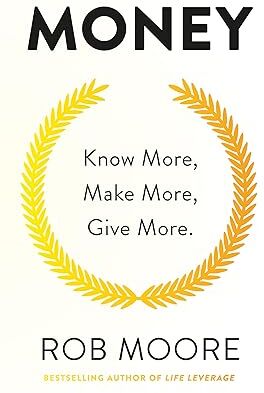
John Murray One Money: Know More, Make More, Give More by Rob Moore - Personal Finance Paperback - New - Practical Guide to Building WealthA straight-talking guide to financial independence, 'Money: Know More, Make More, Give More' by Rob Moore is ideal for aspiring entrepreneurs, first-time investors, or anyone looking to change their approach to earning, saving, and growing their money. Rob Moore, a self-made multi-millionaire and property investor, distills years of experience into a practical roadmap that breaks down the real rules of the money game. He argues that financial success is not down to luck or a single big break, but rather a game with knowable rules that can be understood and followed. This brand-new paperback is a must-read for anyone looking to take control of their finances and achieve financial independence.7,99 £*Shipping: 2,99 £Secure redirect to the provider
-
What is a dilution series?
A dilution series is a set of solutions that are prepared by sequentially diluting a stock solution with a solvent, typically water. Each solution in the series has a lower concentration of the original solute than the previous one. Dilution series are commonly used in scientific experiments to create a range of concentrations for testing the effects of different concentrations of a substance. By diluting the original solution multiple times, researchers can create a gradient of concentrations to study the response of a system to varying levels of the solute. **
-
How do you calculate dilution?
To calculate dilution, you need to know the initial concentration of the solution and the final desired concentration. The formula for dilution is C1V1 = C2V2, where C1 is the initial concentration, V1 is the initial volume, C2 is the final concentration, and V2 is the final volume. By rearranging the formula, you can solve for the final volume or the initial volume needed to achieve the desired concentration. This calculation is commonly used in chemistry and biology when preparing solutions of a specific concentration. **
-
What does brand dilution mean?
Brand dilution refers to the weakening of a brand's identity and value due to over-expansion or the introduction of lower quality products or services under the same brand name. This can occur when a brand extends into too many different product categories, leading to a loss of focus and confusion among consumers. It can also happen when a brand's reputation is tarnished by offering subpar or inconsistent products or services. Brand dilution can ultimately lead to a loss of customer loyalty and a decline in the brand's overall market position. **
-
Can you help me with dilution?
Of course! Dilution is a process of reducing the concentration of a solute in a solution by adding more solvent. To calculate the new concentration after dilution, you can use the formula: C1V1 = C2V2, where C1 is the initial concentration, V1 is the initial volume, C2 is the final concentration, and V2 is the final volume. If you provide me with the specific details of the solution you are working with, I can guide you through the dilution process step by step. **
* All prices are inclusive of VAT and, if applicable, plus shipping costs. The offer information is based on the details provided by the respective shop and is updated through automated processes. Real-time updates do not occur, so deviations can occur in individual cases. ** Note: Parts of this content were created by AI.