Buy selfinvest.eu ?
We are moving the project
selfinvest.eu .
Are you interested in purchasing the domain
selfinvest.eu ?
domain@kv-gmbh.de · 0541-91531010
Buy selfinvest.eu ?
How can the pressure on the motorcycle clutch lever be reduced?
The pressure on the motorcycle clutch lever can be reduced by adjusting the clutch cable tension. This can be done by loosening the lock nut on the clutch cable adjuster and turning the adjuster to increase the slack in the cable. Another way to reduce the pressure is by lubricating the clutch cable and pivot points to ensure smooth operation. Additionally, using a clutch lever with a shorter reach or a lighter spring can also help reduce the pressure required to operate the clutch. **
Can someone check this French exercise for me, ce que, ce qui, ce qu'?
Yes, I can help you with that. Please provide me with the exercise you would like me to check for you. **


Similar search terms for AISIN-CE-SK02-Clutch-Pressure
Top-Angebote
Products related to AISIN-CE-SK02-Clutch-Pressure:
-
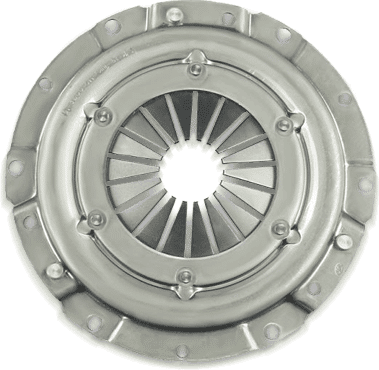
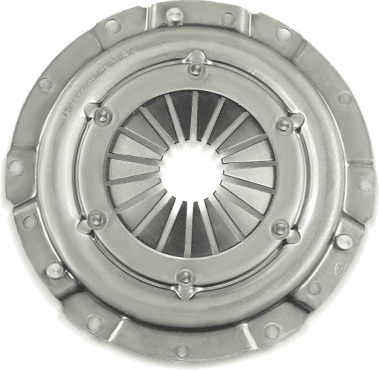
AISIN CH-021 Clutch Pressure PlateOuter Diameter [mm]: 217; Inner Diameter [mm]: 139; Bolt Hole Circle Ø [mm]: 243; Vehicle Identification Number (VIN) from: 200001; Construction Year from: 10/1987; Construction Year to: 09/1991, 09/1990, 09/198985,49 £*Shipping: 8,45 £Secure redirect to the provider


-
What are the relative pronouns ce que and ce qui?
The relative pronouns "ce que" and "ce qui" are used to introduce a clause that provides more information about a noun in a sentence. "Ce que" is used when the noun being referred to is the direct object of the verb in the relative clause, while "ce qui" is used when the noun is the subject. These pronouns do not have a specific antecedent and are more general in nature compared to other relative pronouns like "qui" or "que." **
-
What is the difference between ce qui and ce que?
The main difference between "ce qui" and "ce que" is that "ce qui" is used as the subject of a sentence, while "ce que" is used as the object. For example, "ce qui m'intéresse" means "what interests me" where "ce qui" is the subject of the sentence. On the other hand, "ce que je veux" means "what I want" where "ce que" is the object of the sentence. In summary, "ce qui" is used before a verb to refer to the subject, while "ce que" is used before a verb to refer to the object. **
-
What is the difference between ce que and ce qui?
The main difference between "ce que" and "ce qui" is that "ce que" is used to introduce a direct object, while "ce qui" is used to introduce a subject. "Ce que" is followed by a verb, while "ce qui" is followed by a subject and a verb. For example, "ce que j'aime" means "what I like" and "ce qui est intéressant" means "what is interesting." **
-
Why does the clutch stick and then too much pressure builds up on it?
The clutch may stick and build up too much pressure due to several reasons. One common cause is a lack of lubrication in the clutch system, which can lead to friction and sticking. Another reason could be a worn or damaged clutch release bearing, which can cause the clutch to not fully disengage and result in pressure buildup. Additionally, a misaligned or damaged clutch linkage can also cause the clutch to stick and create excessive pressure. It is important to address these issues promptly to prevent further damage to the clutch system. **


What does "ce" mean?
"Ce" is a French demonstrative pronoun that means "this" or "that" in English. It is used to point out or refer to a specific person, thing, or idea. In French, "ce" agrees in gender and number with the noun it is referring to, so it can be "ce" (masculine singular), "cette" (feminine singular), "ces" (plural), or "cet" (masculine singular before a vowel sound). **
What does "qu'est-ce que" and "est-ce que" mean in French?
"Qu'est-ce que" means "what" in French and is used to form a question. For example, "Qu'est-ce que tu fais?" means "What are you doing?" On the other hand, "est-ce que" is a way to form a yes/no question in French. For example, "Est-ce que tu viens?" means "Are you coming?" **
Top-Angebote
Products related to AISIN-CE-SK02-Clutch-Pressure:
-
AISIN CE-VW02 Clutch Pressure PlateOuter Diameter [mm]: 210; Inner Diameter [mm]: 145; Bolt Hole Circle Ø [mm]: 242; Engine Code: AGD/ASX; Construction Year to: 04/1999, 10/2000, 05/2005, 05/2003, 06/2005, 04/2001; not for engine code: APK/AVH/AZG/BEV; Vehicle type: Bora; Construction Year from: 02/1999, 12/1997, 05/2002; TecDoc Engine Number: 11927, 10607, 16419, 9372, 1549578,49 £*Shipping: 8,45 £Secure redirect to the provider
-
How can the pressure on the motorcycle clutch lever be reduced?
The pressure on the motorcycle clutch lever can be reduced by adjusting the clutch cable tension. This can be done by loosening the lock nut on the clutch cable adjuster and turning the adjuster to increase the slack in the cable. Another way to reduce the pressure is by lubricating the clutch cable and pivot points to ensure smooth operation. Additionally, using a clutch lever with a shorter reach or a lighter spring can also help reduce the pressure required to operate the clutch. **
-
Can someone check this French exercise for me, ce que, ce qui, ce qu'?
Yes, I can help you with that. Please provide me with the exercise you would like me to check for you. **
-
What are the relative pronouns ce que and ce qui?
The relative pronouns "ce que" and "ce qui" are used to introduce a clause that provides more information about a noun in a sentence. "Ce que" is used when the noun being referred to is the direct object of the verb in the relative clause, while "ce qui" is used when the noun is the subject. These pronouns do not have a specific antecedent and are more general in nature compared to other relative pronouns like "qui" or "que." **
-
What is the difference between ce qui and ce que?
The main difference between "ce qui" and "ce que" is that "ce qui" is used as the subject of a sentence, while "ce que" is used as the object. For example, "ce qui m'intéresse" means "what interests me" where "ce qui" is the subject of the sentence. On the other hand, "ce que je veux" means "what I want" where "ce que" is the object of the sentence. In summary, "ce qui" is used before a verb to refer to the subject, while "ce que" is used before a verb to refer to the object. **
Similar search terms for AISIN-CE-SK02-Clutch-Pressure
-
AISIN CH-021 Clutch Pressure PlateOuter Diameter [mm]: 217; Inner Diameter [mm]: 139; Bolt Hole Circle Ø [mm]: 243; Vehicle Identification Number (VIN) from: 200001; Construction Year from: 10/1987; Construction Year to: 09/1991, 09/1990, 09/198985,49 £*Shipping: 8,45 £Secure redirect to the provider
-
What is the difference between ce que and ce qui?
The main difference between "ce que" and "ce qui" is that "ce que" is used to introduce a direct object, while "ce qui" is used to introduce a subject. "Ce que" is followed by a verb, while "ce qui" is followed by a subject and a verb. For example, "ce que j'aime" means "what I like" and "ce qui est intéressant" means "what is interesting." **
-
Why does the clutch stick and then too much pressure builds up on it?
The clutch may stick and build up too much pressure due to several reasons. One common cause is a lack of lubrication in the clutch system, which can lead to friction and sticking. Another reason could be a worn or damaged clutch release bearing, which can cause the clutch to not fully disengage and result in pressure buildup. Additionally, a misaligned or damaged clutch linkage can also cause the clutch to stick and create excessive pressure. It is important to address these issues promptly to prevent further damage to the clutch system. **
-
What does "ce" mean?
"Ce" is a French demonstrative pronoun that means "this" or "that" in English. It is used to point out or refer to a specific person, thing, or idea. In French, "ce" agrees in gender and number with the noun it is referring to, so it can be "ce" (masculine singular), "cette" (feminine singular), "ces" (plural), or "cet" (masculine singular before a vowel sound). **
-
What does "qu'est-ce que" and "est-ce que" mean in French?
"Qu'est-ce que" means "what" in French and is used to form a question. For example, "Qu'est-ce que tu fais?" means "What are you doing?" On the other hand, "est-ce que" is a way to form a yes/no question in French. For example, "Est-ce que tu viens?" means "Are you coming?" **
* All prices are inclusive of VAT and, if applicable, plus shipping costs. The offer information is based on the details provided by the respective shop and is updated through automated processes. Real-time updates do not occur, so deviations can occur in individual cases. ** Note: Parts of this content were created by AI.