Buy selfinvest.eu ?
We are moving the project
selfinvest.eu .
Are you interested in purchasing the domain
selfinvest.eu ?
domain@kv-gmbh.de · 0541-91531010
Buy selfinvest.eu ?
What is the deontological perspective?
The deontological perspective is an ethical theory that focuses on the inherent rightness or wrongness of actions themselves, rather than the consequences of those actions. It is based on the idea that certain actions are morally obligatory regardless of their outcomes. Deontologists believe that individuals have a duty to follow certain moral rules or principles, such as honesty or respecting others' autonomy, regardless of the potential benefits or harms that may result. This perspective is often associated with philosophers like Immanuel Kant, who argued that moral principles are universal and apply to all rational beings. **
What is meant by deontological and teleological?
Deontological ethics is an ethical theory that focuses on the inherent rightness or wrongness of actions themselves, rather than the consequences of those actions. It emphasizes the importance of following moral rules and duties, regardless of the outcomes. On the other hand, teleological ethics, also known as consequentialism, is an ethical theory that evaluates the morality of actions based on their outcomes or consequences. It emphasizes the idea that the rightness or wrongness of an action is determined by the overall good or bad results it produces. In summary, deontological ethics focuses on the inherent nature of actions, while teleological ethics focuses on the outcomes of actions. **
Similar search terms for Deontological
Top-Angebote
Products related to Deontological:
-
Quercus Publishing Financial Joy & The Wealth Habit by Ken & Mary Okoroafor - Paperback 2 Book Set - Personal Finance & Money HabitsAchieve financial freedom with this two-book collection by Ken and Mary Okoroafor. The set includes 'Financial Joy' and 'The Wealth Habit', two paperbacks that offer a complete roadmap to financial independence. Written from the authors' lived experience, this collection combines practical budgeting steps with small daily habits that compound into lasting wealth. The authors, founders of The Humble Penny and The Financial Joy Academy, share the strategies they used to pay off their mortgage and achieve financial independence by age 34. This set is ideal for anyone starting or restarting their money journey, and provides a life-changing plan to help readers turn their finances around while still enjoying life.13,99 £*Shipping: 2,99 £Secure redirect to the provider
-
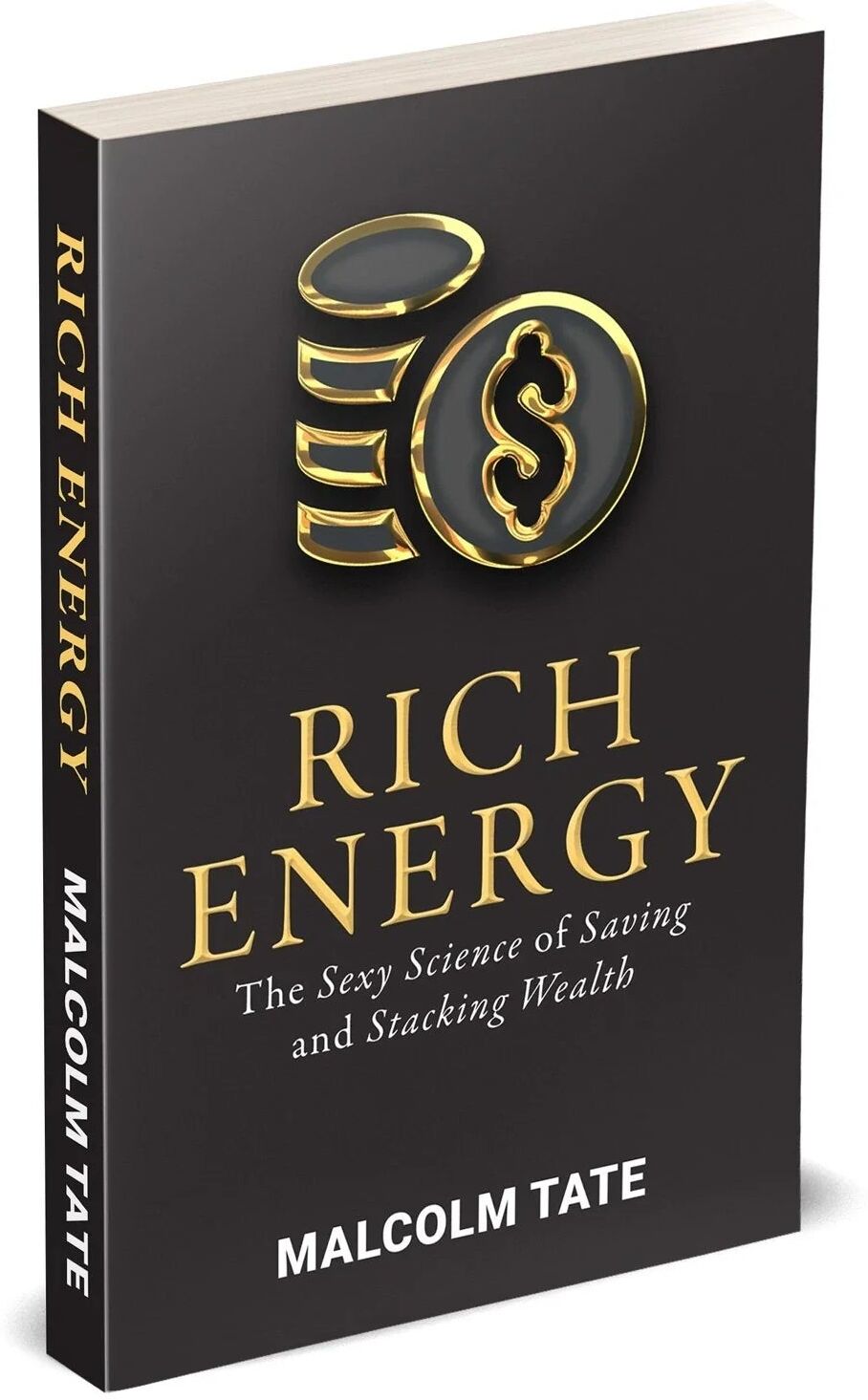
Rupa Publications RICH ENERGY: The Sexy Science of Saving & Stacking Wealth by Malcolm Tate - Paperback - Personal Finance & Money Mindset BookRich Energy: The Sexy Science of Saving; Stacking Wealth by Malcolm Tate is a contemporary take on personal finance that treats money as a mindset rather than a magic trick. Author Malcolm Tate reframes saving, spending, and investing as everyday habits rather than distant goals, giving readers a confident and accessible entry point into building lasting financial wellbeing without the jargon or judgment usually attached to money advice. This paperback book approaches personal finance as a lifestyle upgrade, focusing on the psychology behind spending triggers, the quiet discipline behind consistent saving, and the confidence that comes from understanding your financial situation. Published by Rupa Publications, this book offers a fresh perspective on managing your finances and achieving financial stability.2,99 £*Shipping: 2,99 £Secure redirect to the provider
-
Ultra PRO Pokémon Iono and Bellibolt 4-Pocket Portfolio for Trading Card GameOrganize and protect your Pokémon Trading Card Game collection with this 4-pocket portfolio featuring Iono and Bellibolt. The vibrant full-art cover showcases the Levincia Gym Leader alongside her signature Pokémon, making it a practical storage accessory with standout Pokémon artwork. The portfolio includes archival-safe pages designed for standard-sized trading cards, storing up to 40 cards when single-loaded or up to 80 cards when cards are placed back-to-back. Additional central pages provide space for up to four oversized Pokémon cards. This portfolio is officially licensed and features Iono and Bellibolt artwork, making it a useful choice for storing, displaying, and transporting your growing Pokémon card collection.9,06 £*Shipping: 3,95 £Secure redirect to the provider
-
Pokémon Mega Evolution 9-Pocket Portfolio for Trading Card Game Collectors - Ultra PROProtect your Pokémon Trading Card Game collection with this officially licensed 9-pocket portfolio from Ultra PRO. The cover features Mega Lucario, while the reverse shows Mega Kangaskhan, giving the portfolio a distinctive Mega Evolution design. Inside, you'll find 14 clear polypropylene pages, arranged to hold standard-size trading cards securely. Cards can be stored single-loaded, with one card in each pocket, or double-loaded, with cards placed back-to-back, providing space for up to 126 cards single-loaded or 252 cards double-loaded. The portfolio is designed to be archival-safe, acid-free, and non-PVC, making it perfect for storing and displaying your collection at home or while traveling.13,15 £*Shipping: 3,95 £Secure redirect to the provider



-
Does Kant's deontological ethics contradict Aristotle's eudaemonistic ethics?
Kant's deontological ethics and Aristotle's eudaemonistic ethics have some fundamental differences, but they do not necessarily contradict each other. Kant's ethics focus on duty and the intention behind actions, while Aristotle's ethics emphasize achieving eudaimonia, or human flourishing, through virtuous actions. While Kant's emphasis on duty can sometimes conflict with Aristotle's emphasis on virtue, both ethical theories ultimately aim to guide individuals towards leading a good and moral life. Therefore, while they may approach ethics from different perspectives, they can be seen as complementary rather than contradictory. **
-
What is the difference between deontological ethics and utilitarianism?
Deontological ethics is an ethical theory that focuses on the inherent rightness or wrongness of actions themselves, regardless of their consequences. It emphasizes the importance of following moral rules and duties, such as telling the truth or keeping promises, regardless of the outcomes. On the other hand, utilitarianism is a consequentialist ethical theory that evaluates the morality of actions based on their outcomes. It prioritizes maximizing overall happiness or well-being for the greatest number of people, often through the calculation of benefits and harms. In summary, deontological ethics emphasizes the inherent morality of actions, while utilitarianism focuses on the consequences of actions. **
-
Does discourse ethics have a teleological or deontological approach?
Discourse ethics is primarily associated with a deontological approach. It focuses on the principles of communication and interaction between individuals, emphasizing the importance of ethical norms and rules in guiding discourse. The goal is to ensure that communication is based on mutual respect, equality, and rationality, rather than aiming towards a specific outcome or goal. By prioritizing the ethical principles of communication, discourse ethics aims to create a fair and just dialogue among participants. **
-
What is better: Forex trading or crypto?
The decision between Forex trading and crypto trading ultimately depends on individual preferences, risk tolerance, and investment goals. Forex trading involves trading fiat currencies in the foreign exchange market, which is the largest and most liquid market in the world. On the other hand, crypto trading involves buying and selling digital currencies like Bitcoin and Ethereum in the cryptocurrency market, which is known for its high volatility and potential for significant gains. Both markets offer opportunities for profit, but they also come with their own risks and challenges. It is important to thoroughly research and understand both markets before deciding which one is better suited to your investment strategy. **

Is deontological ethics exactly the same as the categorical imperative?
Deontological ethics is a broader ethical theory that states that actions are inherently right or wrong, regardless of their consequences. The categorical imperative, on the other hand, is a specific formulation within deontological ethics proposed by Immanuel Kant. While the categorical imperative is a key component of deontological ethics, deontological ethics encompasses a wider range of principles and theories beyond just the categorical imperative. **
What are the differences between deontological ethics and utilitarian ethics?
Deontological ethics, also known as duty-based ethics, focuses on the inherent rightness or wrongness of actions themselves, regardless of their consequences. It emphasizes following moral rules and duties, such as telling the truth or keeping promises, based on principles like the categorical imperative. On the other hand, utilitarian ethics, also known as consequentialist ethics, prioritizes the outcomes or consequences of actions. It aims to maximize overall happiness or well-being for the greatest number of people, often through the calculation of benefits and harms. While deontological ethics emphasizes duty and rules, utilitarian ethics prioritizes the greatest good for the greatest number. **
Top-Angebote
Products related to Deontological:
-
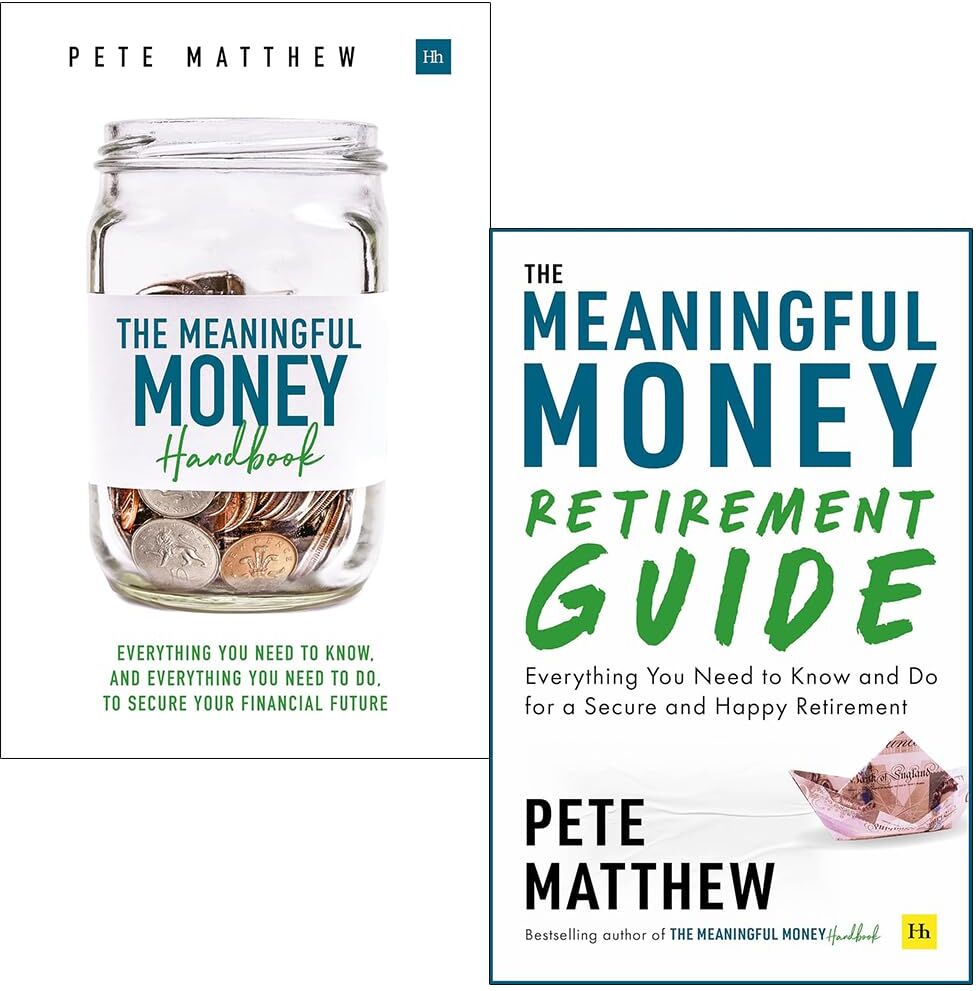
Harriman House Meaningful Money 2 Books Collection Set by Pete Matthew - Handbook & Retirement Guide - Paperback - Personal FinanceThe Meaningful Money 2 Books Collection Set brings together two practical guides to personal finance by Pete Matthew, a Chartered Financial Planner with 25 years of industry experience. The set includes The Meaningful Money Handbook and The Meaningful Money Retirement Guide, both written in clear and actionable steps. The books work together to build lasting financial confidence, covering everyday money management and retirement planning. Written for adults, this paperback set is a comprehensive roadmap for anyone looking to get their finances in order or plan for retirement.22,99 £*Shipping: 2,99 £Secure redirect to the provider
-
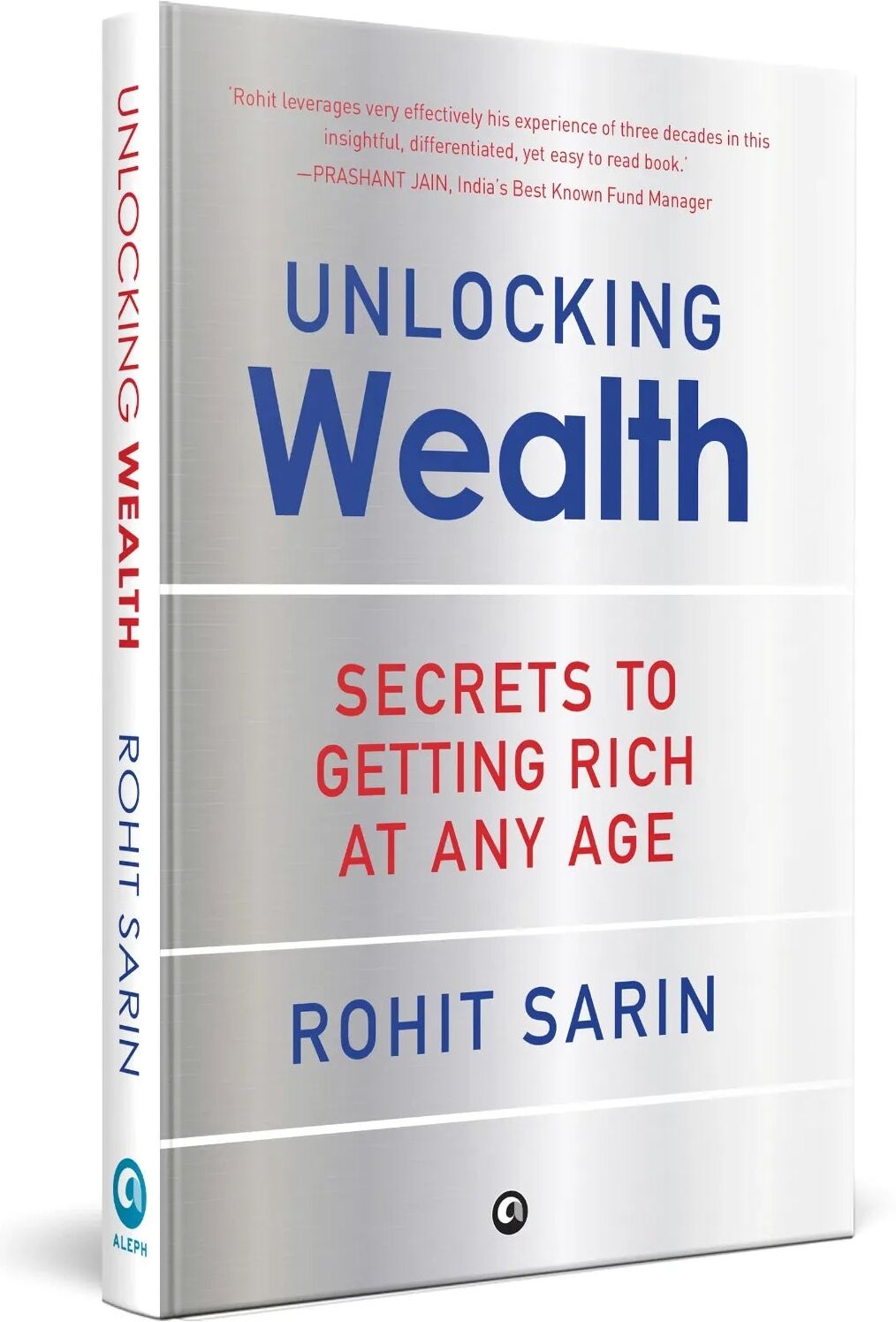
Unlocking Wealth: Secrets to Getting Rich at Any Age by Rohit Sarin - Personal Finance Hardback - Aleph Book Company -Unlocking Wealth: Secrets to Getting Rich at Any Age by Rohit Sarin is a practical guide to building lasting financial security. Written by wealth management veteran Rohit Sarin, this book draws on nearly three decades of advising some of India's wealthiest families. Sarin breaks down the mindset, habits, and strategies that separate those who build real wealth from those who don't. The book offers clear, actionable guidance on smart saving habits, sound investment principles, calculated risk-taking, and the psychological traps that keep people from building real wealth. Whether you're starting your career or already managing a substantial portfolio, this hardback provides useful insights for anyone looking to build lasting financial security.2,99 £*Shipping: 2,99 £Secure redirect to the provider
-
Quercus Publishing Financial Joy & The Wealth Habit by Ken & Mary Okoroafor - Paperback 2 Book Set - Personal Finance & Money HabitsAchieve financial freedom with this two-book collection by Ken and Mary Okoroafor. The set includes 'Financial Joy' and 'The Wealth Habit', two paperbacks that offer a complete roadmap to financial independence. Written from the authors' lived experience, this collection combines practical budgeting steps with small daily habits that compound into lasting wealth. The authors, founders of The Humble Penny and The Financial Joy Academy, share the strategies they used to pay off their mortgage and achieve financial independence by age 34. This set is ideal for anyone starting or restarting their money journey, and provides a life-changing plan to help readers turn their finances around while still enjoying life.13,99 £*Shipping: 2,99 £Secure redirect to the provider
-
Rupa Publications RICH ENERGY: The Sexy Science of Saving & Stacking Wealth by Malcolm Tate - Paperback - Personal Finance & Money Mindset BookRich Energy: The Sexy Science of Saving; Stacking Wealth by Malcolm Tate is a contemporary take on personal finance that treats money as a mindset rather than a magic trick. Author Malcolm Tate reframes saving, spending, and investing as everyday habits rather than distant goals, giving readers a confident and accessible entry point into building lasting financial wellbeing without the jargon or judgment usually attached to money advice. This paperback book approaches personal finance as a lifestyle upgrade, focusing on the psychology behind spending triggers, the quiet discipline behind consistent saving, and the confidence that comes from understanding your financial situation. Published by Rupa Publications, this book offers a fresh perspective on managing your finances and achieving financial stability.2,99 £*Shipping: 2,99 £Secure redirect to the provider
-
What is the deontological perspective?
The deontological perspective is an ethical theory that focuses on the inherent rightness or wrongness of actions themselves, rather than the consequences of those actions. It is based on the idea that certain actions are morally obligatory regardless of their outcomes. Deontologists believe that individuals have a duty to follow certain moral rules or principles, such as honesty or respecting others' autonomy, regardless of the potential benefits or harms that may result. This perspective is often associated with philosophers like Immanuel Kant, who argued that moral principles are universal and apply to all rational beings. **
-
What is meant by deontological and teleological?
Deontological ethics is an ethical theory that focuses on the inherent rightness or wrongness of actions themselves, rather than the consequences of those actions. It emphasizes the importance of following moral rules and duties, regardless of the outcomes. On the other hand, teleological ethics, also known as consequentialism, is an ethical theory that evaluates the morality of actions based on their outcomes or consequences. It emphasizes the idea that the rightness or wrongness of an action is determined by the overall good or bad results it produces. In summary, deontological ethics focuses on the inherent nature of actions, while teleological ethics focuses on the outcomes of actions. **
-
Does Kant's deontological ethics contradict Aristotle's eudaemonistic ethics?
Kant's deontological ethics and Aristotle's eudaemonistic ethics have some fundamental differences, but they do not necessarily contradict each other. Kant's ethics focus on duty and the intention behind actions, while Aristotle's ethics emphasize achieving eudaimonia, or human flourishing, through virtuous actions. While Kant's emphasis on duty can sometimes conflict with Aristotle's emphasis on virtue, both ethical theories ultimately aim to guide individuals towards leading a good and moral life. Therefore, while they may approach ethics from different perspectives, they can be seen as complementary rather than contradictory. **
-
What is the difference between deontological ethics and utilitarianism?
Deontological ethics is an ethical theory that focuses on the inherent rightness or wrongness of actions themselves, regardless of their consequences. It emphasizes the importance of following moral rules and duties, such as telling the truth or keeping promises, regardless of the outcomes. On the other hand, utilitarianism is a consequentialist ethical theory that evaluates the morality of actions based on their outcomes. It prioritizes maximizing overall happiness or well-being for the greatest number of people, often through the calculation of benefits and harms. In summary, deontological ethics emphasizes the inherent morality of actions, while utilitarianism focuses on the consequences of actions. **
Similar search terms for Deontological
-
Ultra PRO Pokémon Iono and Bellibolt 4-Pocket Portfolio for Trading Card GameOrganize and protect your Pokémon Trading Card Game collection with this 4-pocket portfolio featuring Iono and Bellibolt. The vibrant full-art cover showcases the Levincia Gym Leader alongside her signature Pokémon, making it a practical storage accessory with standout Pokémon artwork. The portfolio includes archival-safe pages designed for standard-sized trading cards, storing up to 40 cards when single-loaded or up to 80 cards when cards are placed back-to-back. Additional central pages provide space for up to four oversized Pokémon cards. This portfolio is officially licensed and features Iono and Bellibolt artwork, making it a useful choice for storing, displaying, and transporting your growing Pokémon card collection.9,06 £*Shipping: 3,95 £Secure redirect to the provider
-
Pokémon Mega Evolution 9-Pocket Portfolio for Trading Card Game Collectors - Ultra PROProtect your Pokémon Trading Card Game collection with this officially licensed 9-pocket portfolio from Ultra PRO. The cover features Mega Lucario, while the reverse shows Mega Kangaskhan, giving the portfolio a distinctive Mega Evolution design. Inside, you'll find 14 clear polypropylene pages, arranged to hold standard-size trading cards securely. Cards can be stored single-loaded, with one card in each pocket, or double-loaded, with cards placed back-to-back, providing space for up to 126 cards single-loaded or 252 cards double-loaded. The portfolio is designed to be archival-safe, acid-free, and non-PVC, making it perfect for storing and displaying your collection at home or while traveling.13,15 £*Shipping: 3,95 £Secure redirect to the provider
-
Ultra PRO Pokémon Mega Evolution – Pitch Black 4-Pocket Portfolio for Trading Card CollectorsOrganize and protect your Pokémon trading card collection with this Pitch Black 4-Pocket Portfolio from Ultra PRO. The cover features full-art Mega Evolution artwork, with Mega Zeraora on the front and Mega Excadrill on the back. Inside, you'll find archival-safe pages designed to hold standard-sized trading cards. Each pocket can store one card for a total capacity of up to 40 cards, or two cards back-to-back for up to 80 cards. Additional central pages provide space for up to four oversized Pokémon cards, making this portfolio suitable for collectors who enjoy displaying and storing cards from different parts of their collection.11,29 £*Shipping: 3,95 £Secure redirect to the provider
-
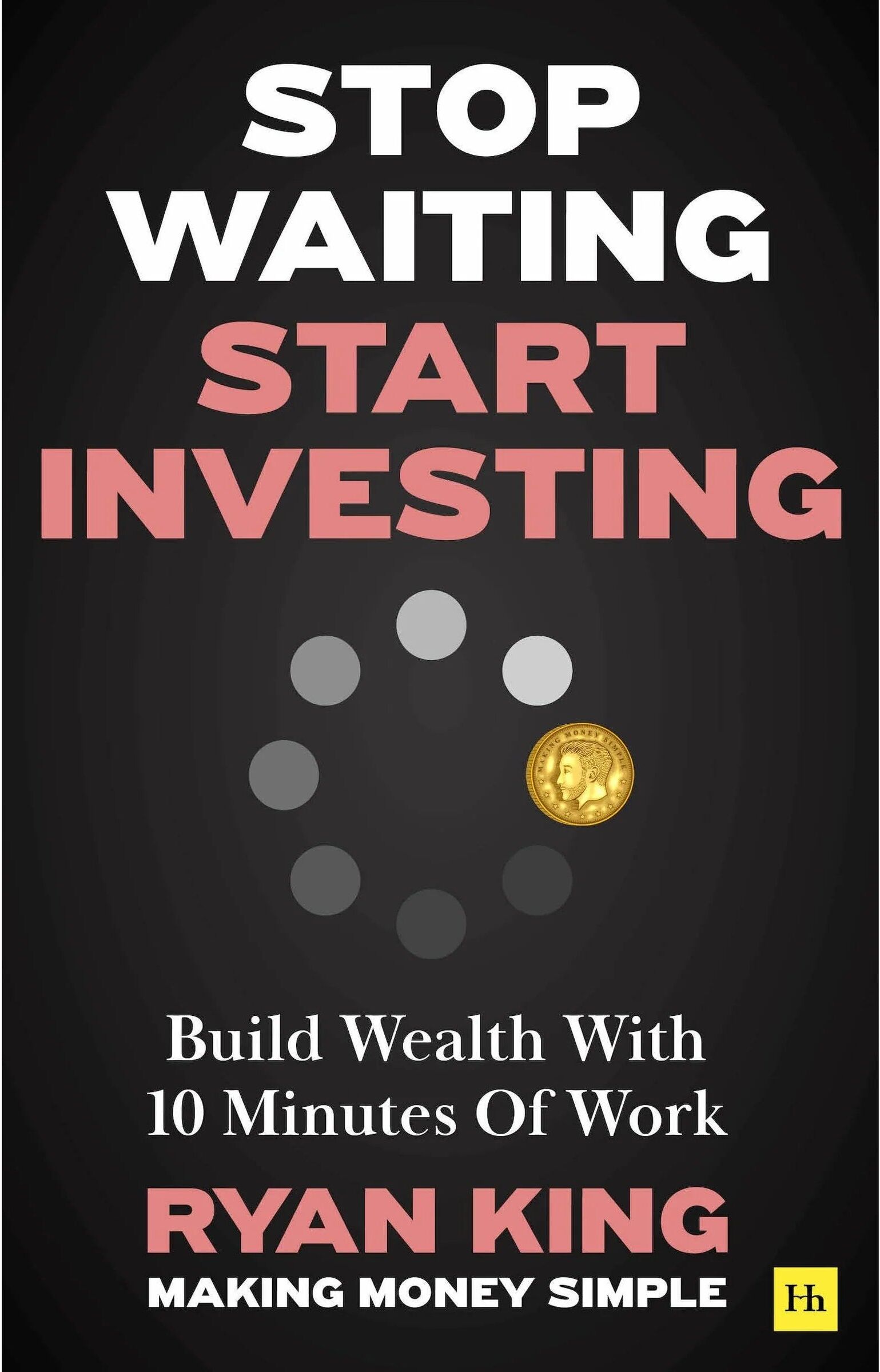
Harriman House Stop Waiting, Start Investing by Ryan King - Paperback Investing Guide - Build Wealth With 10 Minutes Of Work - Personal Finance BookBuild wealth with just 10 minutes of work a day using the stock market with this practical guide. Written by finance content creator and chartered accountant Ryan King, the book offers a simple, passive, automated approach to investing that fits around a busy life. Whether you're starting from scratch or refining an existing strategy, you'll be given the tools and confidence to take control of your financial future. This book directly addresses common hesitations about investing, guiding you step by step through the fundamentals of stock market investing in clear, accessible language. Ryan King draws on his own experience and expertise to provide a beginner-friendly guide to building long-term wealth.11,99 £*Shipping: 2,99 £Secure redirect to the provider
-
Does discourse ethics have a teleological or deontological approach?
Discourse ethics is primarily associated with a deontological approach. It focuses on the principles of communication and interaction between individuals, emphasizing the importance of ethical norms and rules in guiding discourse. The goal is to ensure that communication is based on mutual respect, equality, and rationality, rather than aiming towards a specific outcome or goal. By prioritizing the ethical principles of communication, discourse ethics aims to create a fair and just dialogue among participants. **
-
What is better: Forex trading or crypto?
The decision between Forex trading and crypto trading ultimately depends on individual preferences, risk tolerance, and investment goals. Forex trading involves trading fiat currencies in the foreign exchange market, which is the largest and most liquid market in the world. On the other hand, crypto trading involves buying and selling digital currencies like Bitcoin and Ethereum in the cryptocurrency market, which is known for its high volatility and potential for significant gains. Both markets offer opportunities for profit, but they also come with their own risks and challenges. It is important to thoroughly research and understand both markets before deciding which one is better suited to your investment strategy. **
-
Is deontological ethics exactly the same as the categorical imperative?
Deontological ethics is a broader ethical theory that states that actions are inherently right or wrong, regardless of their consequences. The categorical imperative, on the other hand, is a specific formulation within deontological ethics proposed by Immanuel Kant. While the categorical imperative is a key component of deontological ethics, deontological ethics encompasses a wider range of principles and theories beyond just the categorical imperative. **
-
What are the differences between deontological ethics and utilitarian ethics?
Deontological ethics, also known as duty-based ethics, focuses on the inherent rightness or wrongness of actions themselves, regardless of their consequences. It emphasizes following moral rules and duties, such as telling the truth or keeping promises, based on principles like the categorical imperative. On the other hand, utilitarian ethics, also known as consequentialist ethics, prioritizes the outcomes or consequences of actions. It aims to maximize overall happiness or well-being for the greatest number of people, often through the calculation of benefits and harms. While deontological ethics emphasizes duty and rules, utilitarian ethics prioritizes the greatest good for the greatest number. **
* All prices are inclusive of VAT and, if applicable, plus shipping costs. The offer information is based on the details provided by the respective shop and is updated through automated processes. Real-time updates do not occur, so deviations can occur in individual cases. ** Note: Parts of this content were created by AI.