Buy selfinvest.eu ?
We are moving the project
selfinvest.eu .
Are you interested in purchasing the domain
selfinvest.eu ?
domain@kv-gmbh.de · 0541-91531010
Buy selfinvest.eu ?
Are wages liabilities?
Yes, wages are considered liabilities for a company because they represent an obligation to pay employees for their work. From an accounting perspective, wages are typically recorded as a liability on the company's balance sheet until they are paid to the employees. This reflects the company's obligation to fulfill its financial commitments to its employees. Therefore, wages are classified as a liability until they are settled. **
What are liabilities and receivables?
Liabilities are obligations or debts that a company owes to external parties, such as loans, accounts payable, or accrued expenses. They represent the company's financial responsibilities that must be settled in the future. Receivables, on the other hand, are amounts owed to a company by its customers or other parties for goods or services provided. They represent the company's right to receive payment and are considered assets on the company's balance sheet. Both liabilities and receivables are important components of a company's financial position and are crucial for assessing its overall financial health. **

Similar search terms for Liabilities
Top-Angebote
Products related to Liabilities:
-
Ultra PRO Eevee 9-Pocket Portfolio - Trading Card Game CollectionKeep your Pokémon Trading Card Game collection organised with this Eevee 9-pocket portfolio from Ultra PRO. The portfolio provides a neat, compact way to store and display trading cards while helping to keep them together between games, trades, and collection updates. Its Pokémon-themed cover gives your card storage a distinctive look, making it a practical choice for collectors who want their favourite cards presented in one place. The internal 9-pocket layout is designed for straightforward organisation, allowing cards to be arranged by set, type, character, or personal preference. Perfect for collectors, this portfolio features a Pokémon Eevee-themed cover design and a 9-pocket format that is useful for sorting and organising a growing collection. Its compact design makes it suitable for Pokémon Trading Card Game collectors, whether used for a personal collection or as a gift for a Pokémon fan.11,99 £*Shipping: 3,95 £Secure redirect to the provider
-
Unlocking Wealth: Secrets to Getting Rich at Any Age by Rohit Sarin - Personal Finance Hardback - Aleph Book Company -Unlocking Wealth: Secrets to Getting Rich at Any Age by Rohit Sarin is a practical guide to building lasting financial security. Written by wealth management veteran Rohit Sarin, this book draws on nearly three decades of advising some of India's wealthiest families. Sarin breaks down the mindset, habits, and strategies that separate those who build real wealth from those who don't. The book offers clear, actionable guidance on smart saving habits, sound investment principles, calculated risk-taking, and the psychological traps that keep people from building real wealth. Whether you're starting your career or already managing a substantial portfolio, this hardback provides useful insights for anyone looking to build lasting financial security.2,99 £*Shipping: 2,99 £Secure redirect to the provider
-
Quercus Publishing Financial Joy & The Wealth Habit by Ken & Mary Okoroafor - Paperback 2 Book Set - Personal Finance & Money HabitsAchieve financial freedom with this two-book collection by Ken and Mary Okoroafor. The set includes 'Financial Joy' and 'The Wealth Habit', two paperbacks that offer a complete roadmap to financial independence. Written from the authors' lived experience, this collection combines practical budgeting steps with small daily habits that compound into lasting wealth. The authors, founders of The Humble Penny and The Financial Joy Academy, share the strategies they used to pay off their mortgage and achieve financial independence by age 34. This set is ideal for anyone starting or restarting their money journey, and provides a life-changing plan to help readers turn their finances around while still enjoying life.13,99 £*Shipping: 2,99 £Secure redirect to the provider
-
Ultra PRO Mega Evolution 9-Pocket Portfolio - Archival-Safe Trading Card StorageStore and protect your Pokémon trading card collection with the Mega Evolution Perfect Order 9-Pocket Portfolio from Ultra PRO. The vibrant cover features Mega Zygarde, while the reverse showcases Mega Clefable for a distinctive display on your shelf or trading table. Archival-safe pages help keep standard-sized cards organized and protected. The portfolio holds up to 126 cards when single-loaded, or up to 252 cards when cards are placed back-to-back. Nine-pocket pages provide a clear view of your collection while making it easy to arrange cards by set, type, or theme. Product features: - Pokémon Mega Evolution artwork - 9-pocket card portfolio format - Stores standard-sized trading cards - Holds up to 126 single-loaded cards - Holds up to 252 double-loaded cards - Archival-safe pages for collection storage10,99 £*Shipping: 3,95 £Secure redirect to the provider




-
Are investments by secret silent partnerships and business angels recorded as liabilities in the company's balance sheet?
No, investments by secret silent partnerships and business angels are not recorded as liabilities in the company's balance sheet. Instead, these investments are typically recorded as equity on the balance sheet. This is because these types of investments represent ownership in the company rather than debt that needs to be repaid. As a result, they are reflected as part of the company's equity and ownership structure. **
-
Why is equity on the liabilities side?
Equity is placed on the liabilities side of the balance sheet because it represents the claims of the company's owners or shareholders on the company's assets. It is considered a liability because the company has an obligation to its owners to repay their investment in the business. However, unlike other liabilities, equity does not have a fixed repayment schedule and is considered a residual claim, meaning it is only paid out after all other liabilities have been settled. Therefore, equity is categorized as a liability on the balance sheet to accurately reflect the financial obligations of the company. **
-
What are transitory assets and/or liabilities?
Transitory assets and/or liabilities are items on a company's balance sheet that are expected to be settled or used up within a relatively short period of time, typically within one year. These items are considered to be temporary in nature and are not expected to have a long-term impact on the company's financial position. Examples of transitory assets include cash, accounts receivable, and inventory, while examples of transitory liabilities include accounts payable and short-term debt. It is important for investors and analysts to understand the nature of these transitory items when evaluating a company's financial health and performance. **
-
How are the assets and liabilities evaluated?
Assets and liabilities are evaluated based on their current market value or book value. For assets, this means determining their fair market value, which is the price that they could be sold for in the current market. Liabilities are evaluated based on their current outstanding balance or the amount that is owed. This evaluation helps to determine the financial health and position of a company, as well as its ability to meet its financial obligations. **


What is a statement of assets and liabilities?
A statement of assets and liabilities is a financial document that provides a snapshot of an individual's or organization's financial position at a specific point in time. It lists all the assets, such as cash, investments, property, and equipment, as well as all the liabilities, such as loans, mortgages, and other debts. The statement helps to assess the overall financial health and solvency of the entity by comparing the total assets to the total liabilities. It is an essential tool for financial planning, decision-making, and assessing the ability to meet financial obligations. **
How can liabilities be settled in other ways?
Liabilities can be settled in other ways through various means such as debt restructuring, where the terms of the debt are renegotiated to make it more manageable for the debtor. Another way is through debt-for-equity swaps, where the creditor agrees to convert the debt into an ownership stake in the debtor's company. Additionally, liabilities can be settled through the sale of assets, where the debtor sells off assets to generate cash to pay off the liabilities. Finally, some liabilities can be settled through the issuance of new debt to replace the existing liabilities, known as refinancing. **
Top-Angebote
Products related to Liabilities:
-
Ultra PRO Pokémon Bulbasaur 9-Pocket Portfolio - Trading Card Storage - Card portfolioKeep your favourite trading cards organised and protected with this official Ultra PRO Pokémon portfolio featuring Bulbasaur on the cover. Designed for collectors and players, it provides a practical way to store cards neatly while helping to reduce handling and everyday wear. The portfolio includes nine-pocket pages arranged for clear card visibility and straightforward sorting. Each page can hold cards securely, making it easier to arrange your collection by set, character, type, or personal preference. With its compact format, this portfolio is suitable for shelf or collection storage, offering a tidy solution for Pokémon Trading Card Game enthusiasts while showcasing your favourite cards with a themed cover.11,99 £*Shipping: 3,95 £Secure redirect to the provider
-
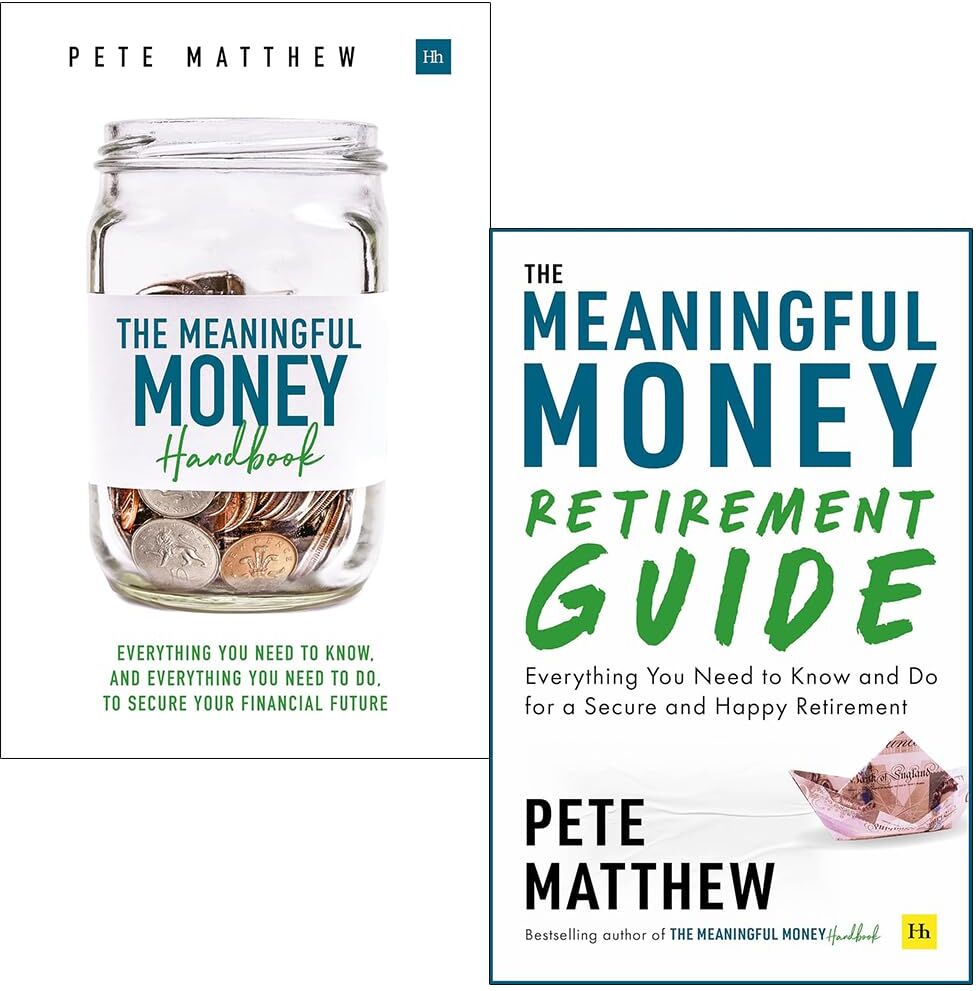
Harriman House Meaningful Money 2 Books Collection Set by Pete Matthew - Handbook & Retirement Guide - Paperback - Personal FinanceThe Meaningful Money 2 Books Collection Set brings together two practical guides to personal finance by Pete Matthew, a Chartered Financial Planner with 25 years of industry experience. The set includes The Meaningful Money Handbook and The Meaningful Money Retirement Guide, both written in clear and actionable steps. The books work together to build lasting financial confidence, covering everyday money management and retirement planning. Written for adults, this paperback set is a comprehensive roadmap for anyone looking to get their finances in order or plan for retirement.22,99 £*Shipping: 2,99 £Secure redirect to the provider
-
Ultra PRO Eevee 9-Pocket Portfolio - Trading Card Game CollectionKeep your Pokémon Trading Card Game collection organised with this Eevee 9-pocket portfolio from Ultra PRO. The portfolio provides a neat, compact way to store and display trading cards while helping to keep them together between games, trades, and collection updates. Its Pokémon-themed cover gives your card storage a distinctive look, making it a practical choice for collectors who want their favourite cards presented in one place. The internal 9-pocket layout is designed for straightforward organisation, allowing cards to be arranged by set, type, character, or personal preference. Perfect for collectors, this portfolio features a Pokémon Eevee-themed cover design and a 9-pocket format that is useful for sorting and organising a growing collection. Its compact design makes it suitable for Pokémon Trading Card Game collectors, whether used for a personal collection or as a gift for a Pokémon fan.11,99 £*Shipping: 3,95 £Secure redirect to the provider
-
Unlocking Wealth: Secrets to Getting Rich at Any Age by Rohit Sarin - Personal Finance Hardback - Aleph Book Company -Unlocking Wealth: Secrets to Getting Rich at Any Age by Rohit Sarin is a practical guide to building lasting financial security. Written by wealth management veteran Rohit Sarin, this book draws on nearly three decades of advising some of India's wealthiest families. Sarin breaks down the mindset, habits, and strategies that separate those who build real wealth from those who don't. The book offers clear, actionable guidance on smart saving habits, sound investment principles, calculated risk-taking, and the psychological traps that keep people from building real wealth. Whether you're starting your career or already managing a substantial portfolio, this hardback provides useful insights for anyone looking to build lasting financial security.2,99 £*Shipping: 2,99 £Secure redirect to the provider
-
Are wages liabilities?
Yes, wages are considered liabilities for a company because they represent an obligation to pay employees for their work. From an accounting perspective, wages are typically recorded as a liability on the company's balance sheet until they are paid to the employees. This reflects the company's obligation to fulfill its financial commitments to its employees. Therefore, wages are classified as a liability until they are settled. **
-
What are liabilities and receivables?
Liabilities are obligations or debts that a company owes to external parties, such as loans, accounts payable, or accrued expenses. They represent the company's financial responsibilities that must be settled in the future. Receivables, on the other hand, are amounts owed to a company by its customers or other parties for goods or services provided. They represent the company's right to receive payment and are considered assets on the company's balance sheet. Both liabilities and receivables are important components of a company's financial position and are crucial for assessing its overall financial health. **
-
Are investments by secret silent partnerships and business angels recorded as liabilities in the company's balance sheet?
No, investments by secret silent partnerships and business angels are not recorded as liabilities in the company's balance sheet. Instead, these investments are typically recorded as equity on the balance sheet. This is because these types of investments represent ownership in the company rather than debt that needs to be repaid. As a result, they are reflected as part of the company's equity and ownership structure. **
-
Why is equity on the liabilities side?
Equity is placed on the liabilities side of the balance sheet because it represents the claims of the company's owners or shareholders on the company's assets. It is considered a liability because the company has an obligation to its owners to repay their investment in the business. However, unlike other liabilities, equity does not have a fixed repayment schedule and is considered a residual claim, meaning it is only paid out after all other liabilities have been settled. Therefore, equity is categorized as a liability on the balance sheet to accurately reflect the financial obligations of the company. **
Similar search terms for Liabilities
-
Quercus Publishing Financial Joy & The Wealth Habit by Ken & Mary Okoroafor - Paperback 2 Book Set - Personal Finance & Money HabitsAchieve financial freedom with this two-book collection by Ken and Mary Okoroafor. The set includes 'Financial Joy' and 'The Wealth Habit', two paperbacks that offer a complete roadmap to financial independence. Written from the authors' lived experience, this collection combines practical budgeting steps with small daily habits that compound into lasting wealth. The authors, founders of The Humble Penny and The Financial Joy Academy, share the strategies they used to pay off their mortgage and achieve financial independence by age 34. This set is ideal for anyone starting or restarting their money journey, and provides a life-changing plan to help readers turn their finances around while still enjoying life.13,99 £*Shipping: 2,99 £Secure redirect to the provider
-
Ultra PRO Mega Evolution 9-Pocket Portfolio - Archival-Safe Trading Card StorageStore and protect your Pokémon trading card collection with the Mega Evolution Perfect Order 9-Pocket Portfolio from Ultra PRO. The vibrant cover features Mega Zygarde, while the reverse showcases Mega Clefable for a distinctive display on your shelf or trading table. Archival-safe pages help keep standard-sized cards organized and protected. The portfolio holds up to 126 cards when single-loaded, or up to 252 cards when cards are placed back-to-back. Nine-pocket pages provide a clear view of your collection while making it easy to arrange cards by set, type, or theme. Product features: - Pokémon Mega Evolution artwork - 9-pocket card portfolio format - Stores standard-sized trading cards - Holds up to 126 single-loaded cards - Holds up to 252 double-loaded cards - Archival-safe pages for collection storage10,99 £*Shipping: 3,95 £Secure redirect to the provider
-
Ultra PRO Mega Charizard X Y Pocket Portfolio - 9-Pocket - Trading CardsKeep your Pokémon Trading Card Game collection organized and protected with this Ultra PRO 9-pocket portfolio featuring Mega Charizard X and Mega Charizard Y artwork. Its vibrant full-art cover brings two powerful Pokémon to your collection while providing a practical way to store standard-size trading cards. The portfolio contains 10 archival-safe pages, with nine side-loading pockets on each page. Together, these pages provide space for up to 180 cards, making it suitable for displaying favorite cards, organizing themed collections, or storing cards safely between games. Key features: - Official Pokémon Trading Card Game portfolio design - Mega Charizard X and Mega Charizard Y full-art cover - Stores up to 180 standard-size trading cards - 10 pages with nine pockets per page - Archival-safe pages for collection storage - Cards are not included - Designed for collectors and players who want a compact, clearly organized storage solution for their trading card collection.15,99 £*Shipping: 3,95 £Secure redirect to the provider
-
Rupa Publications RICH ENERGY: The Sexy Science of Saving & Stacking Wealth by Malcolm Tate - Paperback - Personal Finance & Money Mindset BookRich Energy: The Sexy Science of Saving; Stacking Wealth by Malcolm Tate is a contemporary take on personal finance that treats money as a mindset rather than a magic trick. Author Malcolm Tate reframes saving, spending, and investing as everyday habits rather than distant goals, giving readers a confident and accessible entry point into building lasting financial wellbeing without the jargon or judgment usually attached to money advice. This paperback book approaches personal finance as a lifestyle upgrade, focusing on the psychology behind spending triggers, the quiet discipline behind consistent saving, and the confidence that comes from understanding your financial situation. Published by Rupa Publications, this book offers a fresh perspective on managing your finances and achieving financial stability.2,99 £*Shipping: 2,99 £Secure redirect to the provider
-
What are transitory assets and/or liabilities?
Transitory assets and/or liabilities are items on a company's balance sheet that are expected to be settled or used up within a relatively short period of time, typically within one year. These items are considered to be temporary in nature and are not expected to have a long-term impact on the company's financial position. Examples of transitory assets include cash, accounts receivable, and inventory, while examples of transitory liabilities include accounts payable and short-term debt. It is important for investors and analysts to understand the nature of these transitory items when evaluating a company's financial health and performance. **
-
How are the assets and liabilities evaluated?
Assets and liabilities are evaluated based on their current market value or book value. For assets, this means determining their fair market value, which is the price that they could be sold for in the current market. Liabilities are evaluated based on their current outstanding balance or the amount that is owed. This evaluation helps to determine the financial health and position of a company, as well as its ability to meet its financial obligations. **
-
What is a statement of assets and liabilities?
A statement of assets and liabilities is a financial document that provides a snapshot of an individual's or organization's financial position at a specific point in time. It lists all the assets, such as cash, investments, property, and equipment, as well as all the liabilities, such as loans, mortgages, and other debts. The statement helps to assess the overall financial health and solvency of the entity by comparing the total assets to the total liabilities. It is an essential tool for financial planning, decision-making, and assessing the ability to meet financial obligations. **
-
How can liabilities be settled in other ways?
Liabilities can be settled in other ways through various means such as debt restructuring, where the terms of the debt are renegotiated to make it more manageable for the debtor. Another way is through debt-for-equity swaps, where the creditor agrees to convert the debt into an ownership stake in the debtor's company. Additionally, liabilities can be settled through the sale of assets, where the debtor sells off assets to generate cash to pay off the liabilities. Finally, some liabilities can be settled through the issuance of new debt to replace the existing liabilities, known as refinancing. **
* All prices are inclusive of VAT and, if applicable, plus shipping costs. The offer information is based on the details provided by the respective shop and is updated through automated processes. Real-time updates do not occur, so deviations can occur in individual cases. ** Note: Parts of this content were created by AI.