Buy selfinvest.eu ?
We are moving the project
selfinvest.eu .
Are you interested in purchasing the domain
selfinvest.eu ?
domain@kv-gmbh.de · 0541-91531010
Buy selfinvest.eu ?
What is mercantilism?
Mercantilism is an economic theory and practice that dominated European trade from the 16th to the 18th centuries. It focused on accumulating wealth through a favorable balance of trade, where a country exports more than it imports. Mercantilist policies included imposing tariffs and quotas on imports, promoting domestic industry, and acquiring colonies as sources of raw materials and markets for finished goods. Mercantilism aimed to increase a nation's power and wealth by maximizing exports and minimizing imports. **
Why would mercantilism not work nowadays?
Mercantilism would not work nowadays because it is based on the idea of accumulating wealth through a favorable balance of trade, which can lead to protectionist policies and trade wars. In today's globalized economy, countries rely on international trade and cooperation to drive economic growth. Mercantilist policies such as tariffs and restrictions on imports can hinder economic development and lead to retaliation from trading partners. Additionally, the focus on hoarding gold and silver as a measure of wealth is outdated in a world where wealth is measured by a variety of factors beyond just precious metals. **


Similar search terms for Mercantilism
Top-Angebote
Products related to Mercantilism:
-
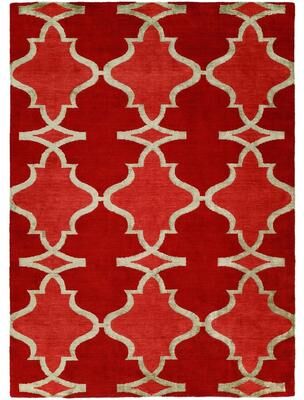
KALATY Portfolio Red Hot Handmade Area RugInvite vibrancy into your classic interior with the bold red motif of this area rug. The Handmade wool construction infuses warmth and texture into your room, and the touch of silkette adds a silky sheen.99,99 $*Shipping: 0,00 $Secure redirect to the provider
-
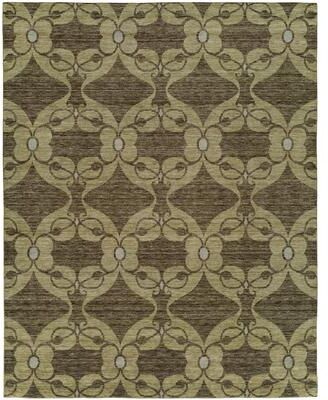
KALATY Portfolio Storm Gray HandMade Area RugWelcome guests to your home with the rich grey pattern and hand-woven design of this runner rug. Made of premium wool and Silkette, this runner is durable yet also has a lovely transitional style.86,99 $*Shipping: 0,00 $Secure redirect to the provider


-
Is there an opposite of mercantilism?
Yes, the opposite of mercantilism is often considered to be free trade or laissez-faire economics. Mercantilism is characterized by government intervention in the economy, protectionist trade policies, and the accumulation of wealth through a positive balance of trade. In contrast, free trade advocates for minimal government intervention in the economy, open markets, and the belief that trade benefits all parties involved. Free trade promotes the idea that individuals and businesses should be free to engage in commerce without government restrictions or tariffs. **
-
Why would mercantilism not work today?
Mercantilism is an economic theory that emphasizes the accumulation of wealth through government intervention in trade. However, in today's globalized economy, where trade barriers are reduced and countries rely on interconnected supply chains, the principles of mercantilism would not be effective. Unilateral efforts to hoard wealth through protectionist policies would likely lead to retaliation from trading partners, disrupting the delicate balance of international trade. Additionally, the focus on accumulating precious metals as a measure of wealth is outdated in a modern economy where wealth is created through innovation, technology, and human capital. **
-
What is the tariff wall of mercantilism?
The tariff wall of mercantilism refers to the system of high tariffs or taxes imposed on imported goods in order to protect domestic industries and promote exports. This policy was a key feature of mercantilist economic theory, which believed that a country's wealth and power could be increased by maximizing exports and minimizing imports. By creating barriers to foreign goods, countries sought to maintain a favorable balance of trade and accumulate precious metals. However, this protectionist approach often led to retaliatory measures by other countries and hindered overall economic growth. **
-
What exactly does mercantilism and absolutism mean?
Mercantilism was an economic theory and practice that dominated Western European economic policies from the 16th to the 18th century. It emphasized the importance of accumulating wealth through a favorable balance of trade, the establishment of colonies, and the promotion of domestic industry and manufacturing. Absolutism, on the other hand, was a political system in which a single ruler held absolute power and authority over the state and its people. This system was prevalent in Europe during the same time period as mercantilism and was characterized by centralized authority, the suppression of dissent, and the belief in the divine right of kings. Both mercantilism and absolutism were influential in shaping the political and economic landscape of early modern Europe. **
What is the difference between Mercantilism and Liberalism?
Mercantilism is an economic theory that emphasizes the importance of accumulating wealth through trade surpluses, government intervention in the economy, and the accumulation of gold and silver reserves. On the other hand, Liberalism is an economic theory that emphasizes free markets, limited government intervention, individual rights, and the importance of competition. While Mercantilism focuses on protectionist policies and state control of the economy, Liberalism promotes free trade and a laissez-faire approach to economic activities. **
Was liberalism a reaction to mercantilism and why?
Yes, liberalism can be seen as a reaction to mercantilism. Mercantilism was an economic system that emphasized government intervention in the economy, strict regulations on trade, and the accumulation of wealth through exports. In contrast, liberalism emerged as a response to the restrictions and regulations imposed by mercantilism, advocating for free trade, individual rights, and limited government intervention in the economy. Liberalism sought to promote economic freedom, competition, and the idea that individuals should be able to pursue their own economic interests without excessive government interference. **
Top-Angebote
Products related to Mercantilism:
-
Cornerstone/Wilco Atomic Habits, The Richest Man in Babylon & Think and Grow Rich – 3 Book Collection Set Personal Finance, Wealth & Self-Development ClassicsTransform your habits, mindset, and financial future with this powerful 3-book collection set, featuring three of the most influential books on success, wealth, and personal growth. This essential bundle includes: Atomic Habits by James Clear – Discover how small, consistent habits can lead to extraordinary results and lasting success. The Richest Man in Babylon by George S. Clason – Learn timeless principles of saving, investing, and building wealth through simple financial wisdom. Think and Grow Rich by Napoleon Hill – Unlock the mindset and strategies behind achievement, success, and financial independence. Together, these books provide a complete guide to building better habits, mastering your finances, and developing a success-driven mindset. Ideal for entrepreneurs, professionals, students, and anyone looking to improve their life. Why Readers Love This Collection: Includes 3 bestselling self-help and finance classics Covers habits, wealth-building, and success mindset Practical, timeless advice for real-life results Suitable for beginners and experienced readers Perfect gift for motivation and personal growth A must-have bundle for anyone serious about success, this collection offers proven strategies for achieving long-term growth and financial freedom.14,99 £*Shipping: 2,99 £Secure redirect to the provider
-
What is mercantilism?
Mercantilism is an economic theory and practice that dominated European trade from the 16th to the 18th centuries. It focused on accumulating wealth through a favorable balance of trade, where a country exports more than it imports. Mercantilist policies included imposing tariffs and quotas on imports, promoting domestic industry, and acquiring colonies as sources of raw materials and markets for finished goods. Mercantilism aimed to increase a nation's power and wealth by maximizing exports and minimizing imports. **
-
Why would mercantilism not work nowadays?
Mercantilism would not work nowadays because it is based on the idea of accumulating wealth through a favorable balance of trade, which can lead to protectionist policies and trade wars. In today's globalized economy, countries rely on international trade and cooperation to drive economic growth. Mercantilist policies such as tariffs and restrictions on imports can hinder economic development and lead to retaliation from trading partners. Additionally, the focus on hoarding gold and silver as a measure of wealth is outdated in a world where wealth is measured by a variety of factors beyond just precious metals. **
-
Is there an opposite of mercantilism?
Yes, the opposite of mercantilism is often considered to be free trade or laissez-faire economics. Mercantilism is characterized by government intervention in the economy, protectionist trade policies, and the accumulation of wealth through a positive balance of trade. In contrast, free trade advocates for minimal government intervention in the economy, open markets, and the belief that trade benefits all parties involved. Free trade promotes the idea that individuals and businesses should be free to engage in commerce without government restrictions or tariffs. **
-
Why would mercantilism not work today?
Mercantilism is an economic theory that emphasizes the accumulation of wealth through government intervention in trade. However, in today's globalized economy, where trade barriers are reduced and countries rely on interconnected supply chains, the principles of mercantilism would not be effective. Unilateral efforts to hoard wealth through protectionist policies would likely lead to retaliation from trading partners, disrupting the delicate balance of international trade. Additionally, the focus on accumulating precious metals as a measure of wealth is outdated in a modern economy where wealth is created through innovation, technology, and human capital. **
Similar search terms for Mercantilism
-
KALATY Portfolio Red Hot Handmade Area RugInvite vibrancy into your classic interior with the bold red motif of this area rug. The Handmade wool construction infuses warmth and texture into your room, and the touch of silkette adds a silky sheen.99,99 $*Shipping: 0,00 $Secure redirect to the provider
-
KALATY Portfolio Storm Gray HandMade Area RugWelcome guests to your home with the rich grey pattern and hand-woven design of this runner rug. Made of premium wool and Silkette, this runner is durable yet also has a lovely transitional style.86,99 $*Shipping: 0,00 $Secure redirect to the provider
-
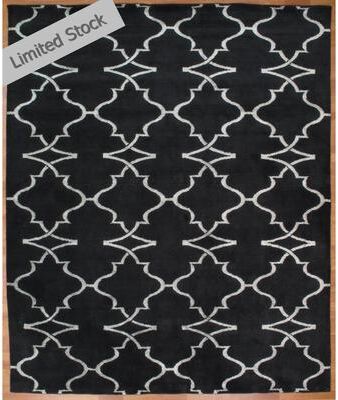
KALATY Portfolio Black Wool and Viscose Handmade Area RugSpice up light-colored flooring with this Portfolio area rug. Showcasing a geometric pattern by designer Parisa Abdollahi, this Handmade wool and viscose rug oozes casual style and fits various motifs.499,49 $*Shipping: 0,00 $Secure redirect to the provider
-
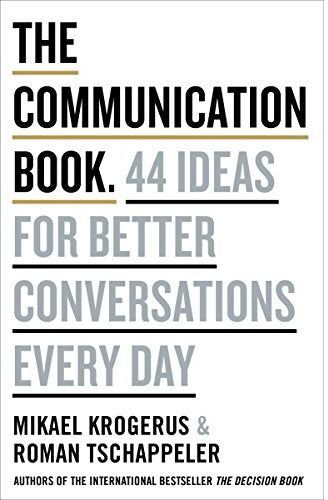
Portfolio Penguin The Communication Book: 44 Ideas for Better Conversations Every DayLEARN THE TECHNIQUES YOU NEED TO COMMUNICATE BETTER AT WORK AND HOME 'Communication is a bit like love - it's what makes the world go round, but nobody really knows how it works.' Struggle to find the words in meetings? Know what you mean but not how to say it? From Aristotle's thoughts on presenting to the Harvard Negotiation Project, internationally bestselling duo Mikael Krogerus and Roman Tschäppeler have 44 tried and tested ideas to change that. Distilled into a single volume, their winning marriage of practicality and humour turns seemingly difficult ideas into clear and entertaining diagrams that will help you: -Brush up on your listening skills and small talk -Run better meetings -Improve the conversations in your head Whether you're a CEO, just starting out or want to improve your relationships at home, this guide will improve your communication skills and help you form more meaningful connections.6,99 £*Shipping: 2,99 £Secure redirect to the provider
-
What is the tariff wall of mercantilism?
The tariff wall of mercantilism refers to the system of high tariffs or taxes imposed on imported goods in order to protect domestic industries and promote exports. This policy was a key feature of mercantilist economic theory, which believed that a country's wealth and power could be increased by maximizing exports and minimizing imports. By creating barriers to foreign goods, countries sought to maintain a favorable balance of trade and accumulate precious metals. However, this protectionist approach often led to retaliatory measures by other countries and hindered overall economic growth. **
-
What exactly does mercantilism and absolutism mean?
Mercantilism was an economic theory and practice that dominated Western European economic policies from the 16th to the 18th century. It emphasized the importance of accumulating wealth through a favorable balance of trade, the establishment of colonies, and the promotion of domestic industry and manufacturing. Absolutism, on the other hand, was a political system in which a single ruler held absolute power and authority over the state and its people. This system was prevalent in Europe during the same time period as mercantilism and was characterized by centralized authority, the suppression of dissent, and the belief in the divine right of kings. Both mercantilism and absolutism were influential in shaping the political and economic landscape of early modern Europe. **
-
What is the difference between Mercantilism and Liberalism?
Mercantilism is an economic theory that emphasizes the importance of accumulating wealth through trade surpluses, government intervention in the economy, and the accumulation of gold and silver reserves. On the other hand, Liberalism is an economic theory that emphasizes free markets, limited government intervention, individual rights, and the importance of competition. While Mercantilism focuses on protectionist policies and state control of the economy, Liberalism promotes free trade and a laissez-faire approach to economic activities. **
-
Was liberalism a reaction to mercantilism and why?
Yes, liberalism can be seen as a reaction to mercantilism. Mercantilism was an economic system that emphasized government intervention in the economy, strict regulations on trade, and the accumulation of wealth through exports. In contrast, liberalism emerged as a response to the restrictions and regulations imposed by mercantilism, advocating for free trade, individual rights, and limited government intervention in the economy. Liberalism sought to promote economic freedom, competition, and the idea that individuals should be able to pursue their own economic interests without excessive government interference. **
* All prices are inclusive of VAT and, if applicable, plus shipping costs. The offer information is based on the details provided by the respective shop and is updated through automated processes. Real-time updates do not occur, so deviations can occur in individual cases. ** Note: Parts of this content were created by AI.