Buy selfinvest.eu ?
We are moving the project
selfinvest.eu .
Are you interested in purchasing the domain
selfinvest.eu ?
domain@kv-gmbh.de · 0541-91531010
Buy selfinvest.eu ?
What is the difference between "Moin" and "Moin Moin"?
"Moin" is a common greeting in Northern Germany, particularly in the regions of Schleswig-Holstein and Hamburg. It is used to say hello or good day. On the other hand, "Moin Moin" is a more emphatic or extended version of the greeting, often used in the same regions. It is a friendly and informal way to greet someone, similar to saying "hello there" or "good morning" in English. **
What does 'Moin Moin' mean in Hamburg?
In Hamburg, 'Moin Moin' is a common greeting used to say hello. It is a regional greeting in Northern Germany, particularly in Hamburg and the surrounding areas. The phrase is a shortened form of 'Guten Morgen' (good morning) and is used throughout the day as a casual way to greet someone. **

Similar search terms for Moin
Top-Angebote
Products related to Moin:
-
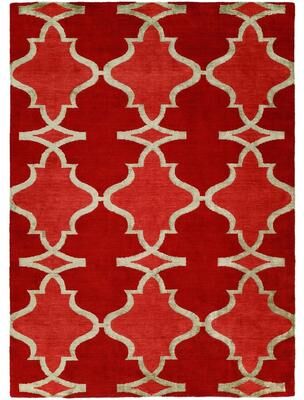
KALATY Portfolio Red Hot Handmade Area RugInvite vibrancy into your classic interior with the bold red motif of this area rug. The Handmade wool construction infuses warmth and texture into your room, and the touch of silkette adds a silky sheen.99,99 $*Shipping: 0,00 $Secure redirect to the provider


-
In which German city do people greet each other with "Moin Moin"?
People in the northern German city of Hamburg greet each other with "Moin Moin." This greeting is commonly used in the northern regions of Germany, particularly in Hamburg and the surrounding areas. It is a casual and friendly way to say hello, similar to "Hi" or "Good morning." **
-
What does "Moin Meister" mean?
"Moin Meister" is a casual greeting in German, commonly used in the northern regions of Germany, particularly in Hamburg and Schleswig-Holstein. "Moin" is a regional greeting equivalent to "hello" or "good morning," and "Meister" translates to "master" or "boss." Therefore, "Moin Meister" can be roughly translated to "Hello boss" or "Hey master," and is used as a friendly and informal way to address someone. **
-
Where does "Moin" come from?
The word "Moin" is a common greeting in northern Germany, particularly in the regions of Hamburg and Schleswig-Holstein. It is believed to have originated from the Low German language spoken in these areas. The exact origins of the word are unclear, but it is thought to have derived from the phrase "Guten Morgen" (good morning) or "Morgen" (morning). Over time, "Moin" has become a versatile greeting used throughout the day, not just in the morning. **
-
Why do people say "Moin"?
People say "Moin" as a greeting in Northern Germany, particularly in the regions of Schleswig-Holstein and Hamburg. The origin of the word is uncertain, but it is believed to have derived from the Low German word "morgen," which means "morning." Over time, "moin" has become a versatile greeting used throughout the day, similar to "hello" in English. It is a friendly and informal way to greet someone, and it has become a part of the local culture and identity in Northern Germany. **

Is "Moin" said in Berlin?
Yes, "Moin" is said in Berlin, as well as in other parts of northern Germany. It is a common greeting used throughout the region, especially in the morning. The word "Moin" is a shortened form of "Guten Morgen" (good morning) and is used as a casual and friendly way to say hello. **
Do people in Munich say "Moin"?
No, "Moin" is not commonly used in Munich. "Moin" is a greeting commonly used in northern Germany, particularly in the regions of Hamburg and Schleswig-Holstein. In Munich, the typical greeting is "Servus," which is used as both a hello and a goodbye. It's important to be aware of regional differences in greetings when traveling in Germany. **
Top-Angebote
Products related to Moin:
-
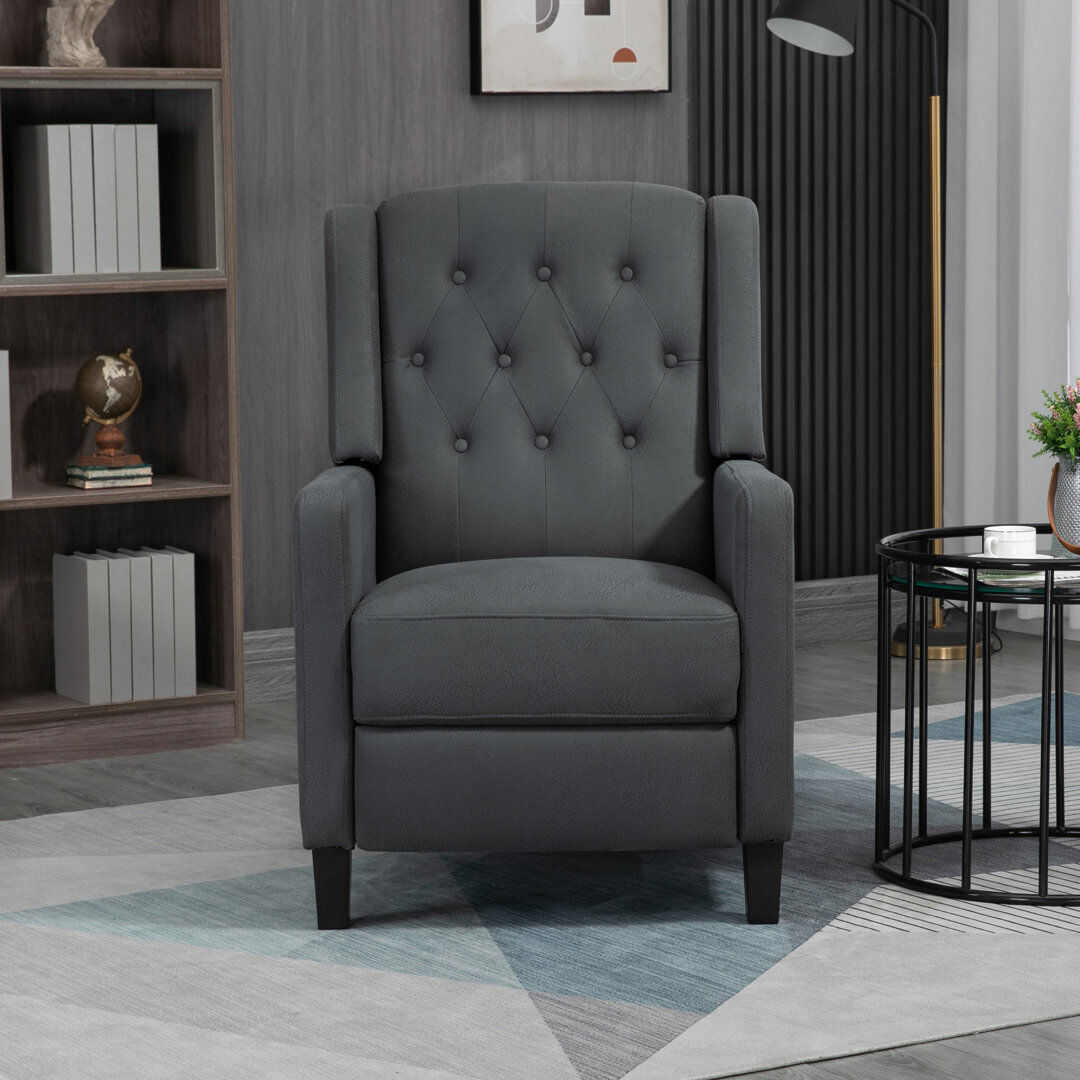
17 Stories Moin 68cm Wide Club Recliner Grey 104cm H X 68cm W X 88cm DFor relaxing watching TV, reading a book, or simply just taking some time out, look to this 17 Stories wingback reclining armchair. A large, spacious design, it offers plenty of seated room. Features a 135° reclining back, so you can lay back to a position of your choice. Microfibre upholstery is like soft leather - comfortable and stylish. With a pocket spring system, this armchair retains its bounce and shape for the same comfort with every sit.- Recliner armchair back goes to a maximum 135° angle, footrest lifts up as backs moves. Whole body relaxation;- Microfibre upholstery is soft, leather-like. Reclining chair is soft and stylish;- Thick padding for comfort, with a pocket spring system to retain the shape and bounce;- Suitable for living rooms, lounges, bedrooms, offices and more;- Maximum load 150kg, easy to assemble.- Colour: Charcoal Grey; - Material: Microfibre Cloth (Polyester), Foam, MDF; - Overall Dimension (Upright): 68W x 88D x104Hcm; - Overall Dimension (Reclined): 68W x 155D x 80Hcm; - Seat Dimension: 50W x 50D x 50Hcm; - Back Dimension: 50W x 66Lcm; - Armrest Height (to Seat): 13cm;- Seat Thickness: 21cm;- Back Thickness: 14cm;- Suitable for User Height: ≤ 195cm;- Weight Capacity: 150kg; - Suggest Assembling Time: 8min;- Item Label: 7BBE48C668F248D994309C5CA4DAC6D8; 17 Stories Upholstery Colour: Grey175,99 £*Shipping: 0,00 £Secure redirect to the provider
-
Cornerstone/Wilco Atomic Habits, The Richest Man in Babylon & Think and Grow Rich – 3 Book Collection Set Personal Finance, Wealth & Self-Development ClassicsTransform your habits, mindset, and financial future with this powerful 3-book collection set, featuring three of the most influential books on success, wealth, and personal growth. This essential bundle includes: Atomic Habits by James Clear – Discover how small, consistent habits can lead to extraordinary results and lasting success. The Richest Man in Babylon by George S. Clason – Learn timeless principles of saving, investing, and building wealth through simple financial wisdom. Think and Grow Rich by Napoleon Hill – Unlock the mindset and strategies behind achievement, success, and financial independence. Together, these books provide a complete guide to building better habits, mastering your finances, and developing a success-driven mindset. Ideal for entrepreneurs, professionals, students, and anyone looking to improve their life. Why Readers Love This Collection: Includes 3 bestselling self-help and finance classics Covers habits, wealth-building, and success mindset Practical, timeless advice for real-life results Suitable for beginners and experienced readers Perfect gift for motivation and personal growth A must-have bundle for anyone serious about success, this collection offers proven strategies for achieving long-term growth and financial freedom.14,99 £*Shipping: 2,99 £Secure redirect to the provider
-
What is the difference between "Moin" and "Moin Moin"?
"Moin" is a common greeting in Northern Germany, particularly in the regions of Schleswig-Holstein and Hamburg. It is used to say hello or good day. On the other hand, "Moin Moin" is a more emphatic or extended version of the greeting, often used in the same regions. It is a friendly and informal way to greet someone, similar to saying "hello there" or "good morning" in English. **
-
What does 'Moin Moin' mean in Hamburg?
In Hamburg, 'Moin Moin' is a common greeting used to say hello. It is a regional greeting in Northern Germany, particularly in Hamburg and the surrounding areas. The phrase is a shortened form of 'Guten Morgen' (good morning) and is used throughout the day as a casual way to greet someone. **
-
In which German city do people greet each other with "Moin Moin"?
People in the northern German city of Hamburg greet each other with "Moin Moin." This greeting is commonly used in the northern regions of Germany, particularly in Hamburg and the surrounding areas. It is a casual and friendly way to say hello, similar to "Hi" or "Good morning." **
-
What does "Moin Meister" mean?
"Moin Meister" is a casual greeting in German, commonly used in the northern regions of Germany, particularly in Hamburg and Schleswig-Holstein. "Moin" is a regional greeting equivalent to "hello" or "good morning," and "Meister" translates to "master" or "boss." Therefore, "Moin Meister" can be roughly translated to "Hello boss" or "Hey master," and is used as a friendly and informal way to address someone. **
Similar search terms for Moin
-
KALATY Portfolio Red Hot Handmade Area RugInvite vibrancy into your classic interior with the bold red motif of this area rug. The Handmade wool construction infuses warmth and texture into your room, and the touch of silkette adds a silky sheen.99,99 $*Shipping: 0,00 $Secure redirect to the provider
-
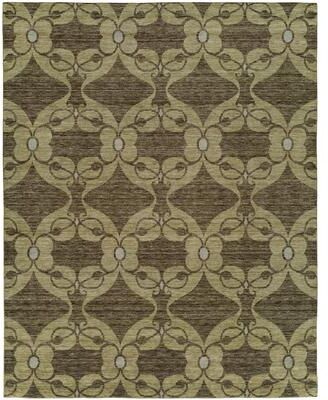
KALATY Portfolio Storm Gray HandMade Area RugWelcome guests to your home with the rich grey pattern and hand-woven design of this runner rug. Made of premium wool and Silkette, this runner is durable yet also has a lovely transitional style.86,99 $*Shipping: 0,00 $Secure redirect to the provider
-
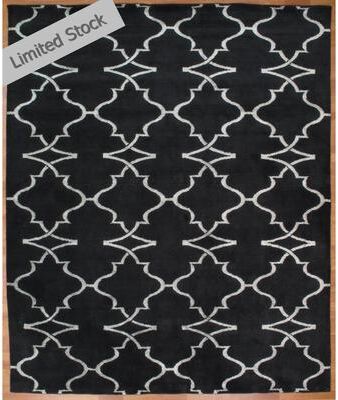
KALATY Portfolio Black Wool and Viscose Handmade Area RugSpice up light-colored flooring with this Portfolio area rug. Showcasing a geometric pattern by designer Parisa Abdollahi, this Handmade wool and viscose rug oozes casual style and fits various motifs.499,49 $*Shipping: 0,00 $Secure redirect to the provider
-
Where does "Moin" come from?
The word "Moin" is a common greeting in northern Germany, particularly in the regions of Hamburg and Schleswig-Holstein. It is believed to have originated from the Low German language spoken in these areas. The exact origins of the word are unclear, but it is thought to have derived from the phrase "Guten Morgen" (good morning) or "Morgen" (morning). Over time, "Moin" has become a versatile greeting used throughout the day, not just in the morning. **
-
Why do people say "Moin"?
People say "Moin" as a greeting in Northern Germany, particularly in the regions of Schleswig-Holstein and Hamburg. The origin of the word is uncertain, but it is believed to have derived from the Low German word "morgen," which means "morning." Over time, "moin" has become a versatile greeting used throughout the day, similar to "hello" in English. It is a friendly and informal way to greet someone, and it has become a part of the local culture and identity in Northern Germany. **
-
Is "Moin" said in Berlin?
Yes, "Moin" is said in Berlin, as well as in other parts of northern Germany. It is a common greeting used throughout the region, especially in the morning. The word "Moin" is a shortened form of "Guten Morgen" (good morning) and is used as a casual and friendly way to say hello. **
-
Do people in Munich say "Moin"?
No, "Moin" is not commonly used in Munich. "Moin" is a greeting commonly used in northern Germany, particularly in the regions of Hamburg and Schleswig-Holstein. In Munich, the typical greeting is "Servus," which is used as both a hello and a goodbye. It's important to be aware of regional differences in greetings when traveling in Germany. **
* All prices are inclusive of VAT and, if applicable, plus shipping costs. The offer information is based on the details provided by the respective shop and is updated through automated processes. Real-time updates do not occur, so deviations can occur in individual cases. ** Note: Parts of this content were created by AI.