Buy selfinvest.eu ?
We are moving the project
selfinvest.eu .
Are you interested in purchasing the domain
selfinvest.eu ?
domain@kv-gmbh.de · 0541-91531010
Buy selfinvest.eu ?
How is a portfolio structured?
A portfolio is typically structured by grouping together a collection of investments such as stocks, bonds, and other assets. The specific allocation of these investments within the portfolio is based on the investor's financial goals, risk tolerance, and time horizon. Diversification is an important aspect of portfolio construction, as it helps to spread risk across different asset classes and reduce the impact of market fluctuations. Regular monitoring and rebalancing of the portfolio are also essential to ensure that it remains aligned with the investor's objectives. **
How do I create a portfolio?
To create a portfolio, start by selecting your best work samples that showcase your skills and experience. Organize these samples in a visually appealing and easy-to-navigate format, either digitally or in a physical binder. Include a brief description or explanation for each sample to provide context for the viewer. Make sure to regularly update and refine your portfolio as you gain new experiences and skills. **


Similar search terms for Portfolio-Penguin-Hooked-How
Top-Angebote
Products related to Portfolio-Penguin-Hooked-How:
-
Portfolio Penguin Traction How Any Startup Can Achieve Explosive Customer Growth By Gabriel Weinberg - Non Fiction - PaperbackTitle:. Traction: How Any Startup Can Achieve Explosive Customer Growth Format: Paperback Overview:. Traction stands out as an essential blueprint for founders, marketers, and business owners who need a reliable system to fuel sustainable customer acquisition. Written by HubSpot co-founder Gabriel Weinberg, this authoritative business guide dismantles the common myth that viral luck or heavy advertising budgets are required to scale. Instead, it introduces a rigorous, step-by-step methodology that replaces guesswork with disciplined experimentation. At the heart of the publication lies the Bullseye framework, which guides readers through identifying, testing, and doubling down on the handful of growth channels that actually move the needle for early-stage ventures. Whether you are launching a niche e-commerce brand, building a software platform, or refining an existing service offering, this paperback delivers actionable strategies grounded in real-world applications. It avoids theoretical fluff, focusing entirely on measurable tactics that can be implemented immediately. Readers will discover how to assemble a focused growth unit, prioritize low-cost opportunities over expensive campaigns, and continuously iterate based on clear performance metrics. By treating customer acquisition as a structured experiment rather than a creative gamble, this book transforms chaotic scaling attempts into predictable, repeatable success. What Makes This Book Stand Out:. Unlike generic entrepreneurship memoirs or abstract leadership manuals, this publication functions as a hands-on operating manual for early-stage growth. Its greatest strength is the systematic categorisation of nineteen distinct customer acquisition channels, ranging from traditional content marketing and cold outreach to viral loops and paid search. Rather than advocating for a silver bullet, the authors emphasise resource allocation, teaching readers to rapidly prototype ideas across multiple platforms while ruthlessly eliminating those that fail to deliver consistent engagement. The writing remains crisp and highly pragmatic, supported by interactive exercises designed to map your specific product against proven distribution models. You will learn how to run a dedicated growth initiative that operates in tandem with core development, ensuring customer discovery keeps pace with feature rollouts. Every chapter includes clear action items, forcing readers to test assumptions instead of passively consuming information. This deliberate pacing prevents overwhelm and ensures that complex growth concepts translate directly into daily workflows. Who This Book Is Perfect For:. This volume is specifically crafted for first-time founders navigating early-stage product verification, experienced product managers aiming to bridge development and distribution, and independent entrepreneurs seeking cost-efficient acquisition methods. It is equally valuable for marketing consultants, freelance strategists, and...16,99 £*Shipping: 2,99 £Secure redirect to the provider
-
Ultra PRO Pokémon Bulbasaur 9-Pocket Portfolio - Trading Card Storage - Card portfolioKeep your favourite trading cards organised and protected with this official Ultra PRO Pokémon portfolio featuring Bulbasaur on the cover. Designed for collectors and players, it provides a practical way to store cards neatly while helping to reduce handling and everyday wear. The portfolio includes nine-pocket pages arranged for clear card visibility and straightforward sorting. Each page can hold cards securely, making it easier to arrange your collection by set, character, type, or personal preference. With its compact format, this portfolio is suitable for shelf or collection storage, offering a tidy solution for Pokémon Trading Card Game enthusiasts while showcasing your favourite cards with a themed cover.11,99 £*Shipping: 3,95 £Secure redirect to the provider
-
Ultra PRO Eevee 9-Pocket Portfolio - Trading Card Game CollectionKeep your Pokémon Trading Card Game collection organised with this Eevee 9-pocket portfolio from Ultra PRO. The portfolio provides a neat, compact way to store and display trading cards while helping to keep them together between games, trades, and collection updates. Its Pokémon-themed cover gives your card storage a distinctive look, making it a practical choice for collectors who want their favourite cards presented in one place. The internal 9-pocket layout is designed for straightforward organisation, allowing cards to be arranged by set, type, character, or personal preference. Perfect for collectors, this portfolio features a Pokémon Eevee-themed cover design and a 9-pocket format that is useful for sorting and organising a growing collection. Its compact design makes it suitable for Pokémon Trading Card Game collectors, whether used for a personal collection or as a gift for a Pokémon fan.11,99 £*Shipping: 3,95 £Secure redirect to the provider


-
How do you create a portfolio?
To create a portfolio, start by selecting your best work that showcases your skills and experience. This can include projects, designs, writing samples, or any other relevant work. Organize your work in a professional and visually appealing manner, and consider using an online platform or creating a physical portfolio depending on your industry. Make sure to include a brief description or explanation of each piece to provide context for the viewer. Finally, regularly update and refine your portfolio to reflect your most current and impressive work. **
-
'How do I start my portfolio?'
To start your portfolio, begin by identifying your investment goals and risk tolerance. Next, decide on the asset classes you want to include in your portfolio, such as stocks, bonds, and real estate. Then, research and select specific investments within each asset class that align with your goals and risk tolerance. Finally, regularly monitor and adjust your portfolio as needed to ensure it remains in line with your investment objectives. **
-
How should a design portfolio look?
A design portfolio should be visually appealing and well-organized, showcasing a variety of your best work. It should include a mix of different projects, such as branding, web design, print materials, and any other relevant work. Each project should be presented with high-quality images and a brief description explaining the concept and your role in the project. It's important to keep the portfolio updated with your latest work and to tailor it to the specific job or client you are applying to. **
-
What is the difference between a product portfolio and a process portfolio?
A product portfolio is a collection of all the products or services offered by a company, including their features, benefits, and target markets. It focuses on the range and variety of products a company offers. On the other hand, a process portfolio is a collection of all the processes and procedures used by a company to create, deliver, and support its products or services. It focuses on the methods and systems used to manage and improve the company's operations. In summary, a product portfolio is about the range of products offered, while a process portfolio is about the methods and systems used to create and deliver those products. **
How do I create my farewell portfolio?
To create your farewell portfolio, start by selecting your best work samples that showcase your skills and accomplishments. Organize them in a visually appealing and easy-to-navigate format, such as a digital portfolio website or a physical portfolio book. Include a brief introduction about yourself, your career goals, and a summary of your achievements. Don't forget to update your resume and contact information, and consider adding testimonials or recommendations from colleagues or supervisors. Finally, review and proofread your portfolio to ensure it is polished and professional before sharing it with potential employers or colleagues. **
How should an architecture portfolio be designed?
An architecture portfolio should be designed in a clean, organized, and visually appealing manner. It should showcase a variety of projects that highlight the breadth and depth of the architect's skills and experience. Including a mix of sketches, renderings, photographs, and drawings can help provide a comprehensive view of the architect's design capabilities. It is important to include a clear and concise description of each project, along with the architect's role and contributions. Lastly, the portfolio should be easy to navigate and should effectively communicate the architect's design aesthetic and style. **
Top-Angebote
Products related to Portfolio-Penguin-Hooked-How:
-
Portfolio Penguin Hooked: How to Build Habit-Forming Products by Nir EyalNir Eyal reveals how successful companies create products people can't put down - and how you can tooWhy do some products capture our attention while others flop? What makes us engage with certain things out of sheer habit? Is there an underlying pattern to how technologies hook us?Nir Eyal answers these questions (and many more) with the Hook Model - a four-step process that, when embedded into products, subtly encourages customer behaviour. Through consecutive "hook cycles," these products bring people back again and again without depending on costly advertising or aggressive messaging.Hooked is based on Eyal's years of research, consulting, and practical experience. He wrote the book he wished had been available to him as a start-up founder - not abstract theory, but a how-to guide for building better products. Hooked is written for product managers, designers, marketers, start-up founders, and anyone who seeks to understand how products influence our behaviour.Eyal provides readers with practical insights to create user habits that stick; actionable steps for building products people love; and riveting examples from the iPhone to Twitter, Pinterest and the Bible App.7,98 £*Shipping: 2,99 £Secure redirect to the provider
-
Portfolio Penguin Traction How Any Startup Can Achieve Explosive Customer Growth By Gabriel Weinberg - Non Fiction - PaperbackTitle:. Traction: How Any Startup Can Achieve Explosive Customer Growth Format: Paperback Overview:. Traction stands out as an essential blueprint for founders, marketers, and business owners who need a reliable system to fuel sustainable customer acquisition. Written by HubSpot co-founder Gabriel Weinberg, this authoritative business guide dismantles the common myth that viral luck or heavy advertising budgets are required to scale. Instead, it introduces a rigorous, step-by-step methodology that replaces guesswork with disciplined experimentation. At the heart of the publication lies the Bullseye framework, which guides readers through identifying, testing, and doubling down on the handful of growth channels that actually move the needle for early-stage ventures. Whether you are launching a niche e-commerce brand, building a software platform, or refining an existing service offering, this paperback delivers actionable strategies grounded in real-world applications. It avoids theoretical fluff, focusing entirely on measurable tactics that can be implemented immediately. Readers will discover how to assemble a focused growth unit, prioritize low-cost opportunities over expensive campaigns, and continuously iterate based on clear performance metrics. By treating customer acquisition as a structured experiment rather than a creative gamble, this book transforms chaotic scaling attempts into predictable, repeatable success. What Makes This Book Stand Out:. Unlike generic entrepreneurship memoirs or abstract leadership manuals, this publication functions as a hands-on operating manual for early-stage growth. Its greatest strength is the systematic categorisation of nineteen distinct customer acquisition channels, ranging from traditional content marketing and cold outreach to viral loops and paid search. Rather than advocating for a silver bullet, the authors emphasise resource allocation, teaching readers to rapidly prototype ideas across multiple platforms while ruthlessly eliminating those that fail to deliver consistent engagement. The writing remains crisp and highly pragmatic, supported by interactive exercises designed to map your specific product against proven distribution models. You will learn how to run a dedicated growth initiative that operates in tandem with core development, ensuring customer discovery keeps pace with feature rollouts. Every chapter includes clear action items, forcing readers to test assumptions instead of passively consuming information. This deliberate pacing prevents overwhelm and ensures that complex growth concepts translate directly into daily workflows. Who This Book Is Perfect For:. This volume is specifically crafted for first-time founders navigating early-stage product verification, experienced product managers aiming to bridge development and distribution, and independent entrepreneurs seeking cost-efficient acquisition methods. It is equally valuable for marketing consultants, freelance strategists, and...16,99 £*Shipping: 2,99 £Secure redirect to the provider
-
How is a portfolio structured?
A portfolio is typically structured by grouping together a collection of investments such as stocks, bonds, and other assets. The specific allocation of these investments within the portfolio is based on the investor's financial goals, risk tolerance, and time horizon. Diversification is an important aspect of portfolio construction, as it helps to spread risk across different asset classes and reduce the impact of market fluctuations. Regular monitoring and rebalancing of the portfolio are also essential to ensure that it remains aligned with the investor's objectives. **
-
How do I create a portfolio?
To create a portfolio, start by selecting your best work samples that showcase your skills and experience. Organize these samples in a visually appealing and easy-to-navigate format, either digitally or in a physical binder. Include a brief description or explanation for each sample to provide context for the viewer. Make sure to regularly update and refine your portfolio as you gain new experiences and skills. **
-
How do you create a portfolio?
To create a portfolio, start by selecting your best work that showcases your skills and experience. This can include projects, designs, writing samples, or any other relevant work. Organize your work in a professional and visually appealing manner, and consider using an online platform or creating a physical portfolio depending on your industry. Make sure to include a brief description or explanation of each piece to provide context for the viewer. Finally, regularly update and refine your portfolio to reflect your most current and impressive work. **
-
'How do I start my portfolio?'
To start your portfolio, begin by identifying your investment goals and risk tolerance. Next, decide on the asset classes you want to include in your portfolio, such as stocks, bonds, and real estate. Then, research and select specific investments within each asset class that align with your goals and risk tolerance. Finally, regularly monitor and adjust your portfolio as needed to ensure it remains in line with your investment objectives. **
Similar search terms for Portfolio-Penguin-Hooked-How
-
Ultra PRO Pokémon Bulbasaur 9-Pocket Portfolio - Trading Card Storage - Card portfolioKeep your favourite trading cards organised and protected with this official Ultra PRO Pokémon portfolio featuring Bulbasaur on the cover. Designed for collectors and players, it provides a practical way to store cards neatly while helping to reduce handling and everyday wear. The portfolio includes nine-pocket pages arranged for clear card visibility and straightforward sorting. Each page can hold cards securely, making it easier to arrange your collection by set, character, type, or personal preference. With its compact format, this portfolio is suitable for shelf or collection storage, offering a tidy solution for Pokémon Trading Card Game enthusiasts while showcasing your favourite cards with a themed cover.11,99 £*Shipping: 3,95 £Secure redirect to the provider
-
Ultra PRO Eevee 9-Pocket Portfolio - Trading Card Game CollectionKeep your Pokémon Trading Card Game collection organised with this Eevee 9-pocket portfolio from Ultra PRO. The portfolio provides a neat, compact way to store and display trading cards while helping to keep them together between games, trades, and collection updates. Its Pokémon-themed cover gives your card storage a distinctive look, making it a practical choice for collectors who want their favourite cards presented in one place. The internal 9-pocket layout is designed for straightforward organisation, allowing cards to be arranged by set, type, character, or personal preference. Perfect for collectors, this portfolio features a Pokémon Eevee-themed cover design and a 9-pocket format that is useful for sorting and organising a growing collection. Its compact design makes it suitable for Pokémon Trading Card Game collectors, whether used for a personal collection or as a gift for a Pokémon fan.11,99 £*Shipping: 3,95 £Secure redirect to the provider
-
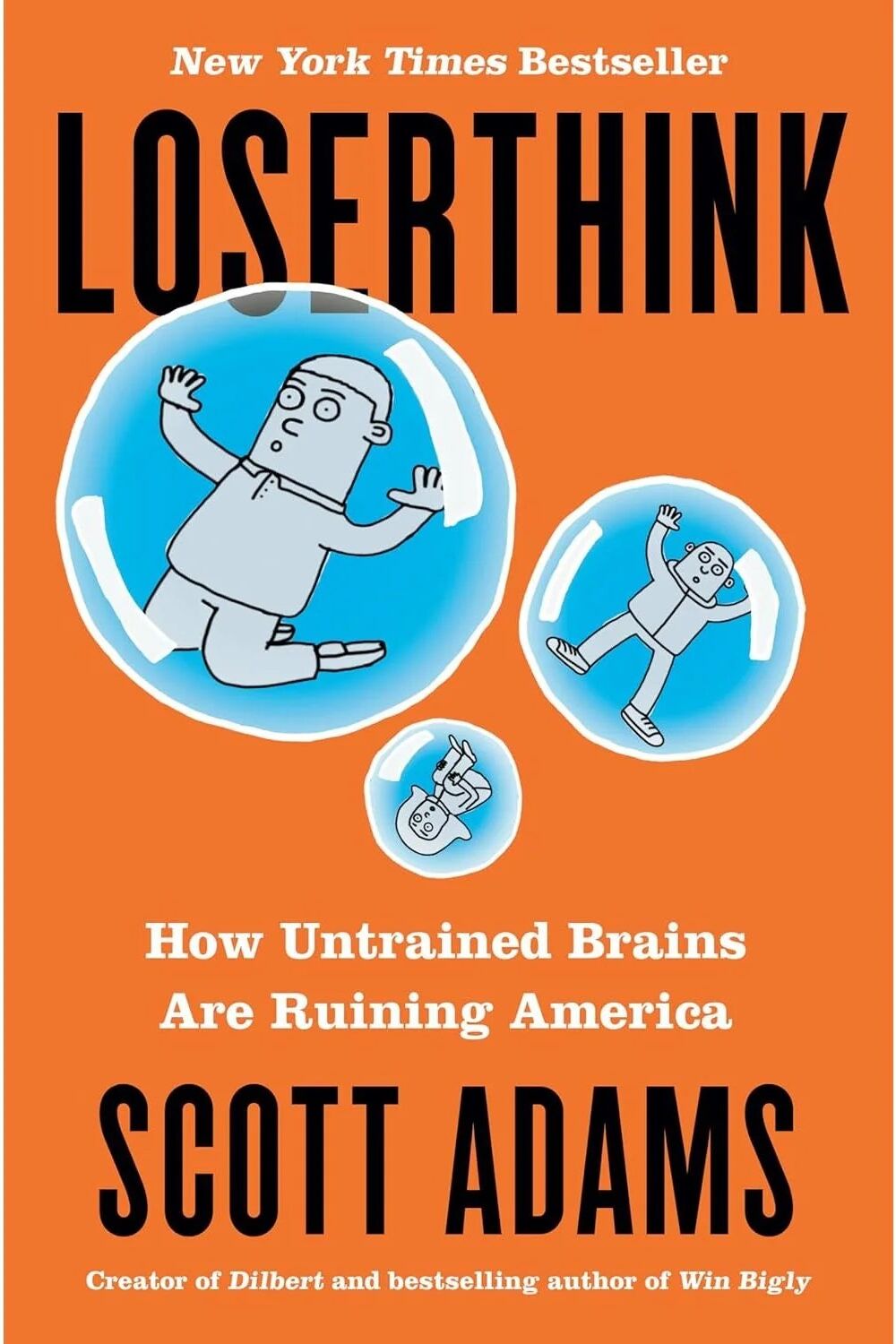
Loserthink by Scott Adams - How Untrained Brains Are Ruining America - Hardback Non Fiction Book - Portfolio 2019Loserthink is a thought-provoking guide by Scott Adams that helps readers escape mental traps and see the world more clearly. Drawing on lessons from various disciplines, Adams exposes everyday reasoning failures that fuel modern arguments and offers practical tools to think more broadly and spot flawed logic. This hardback book explores how even intelligent and educated people can fall into 'loserthink' due to a lack of exposure to best thinking practices. By applying these principles, readers can improve their critical thinking skills and hold their own in debates with confidence.4,99 £*Shipping: 2,99 £Secure redirect to the provider
-
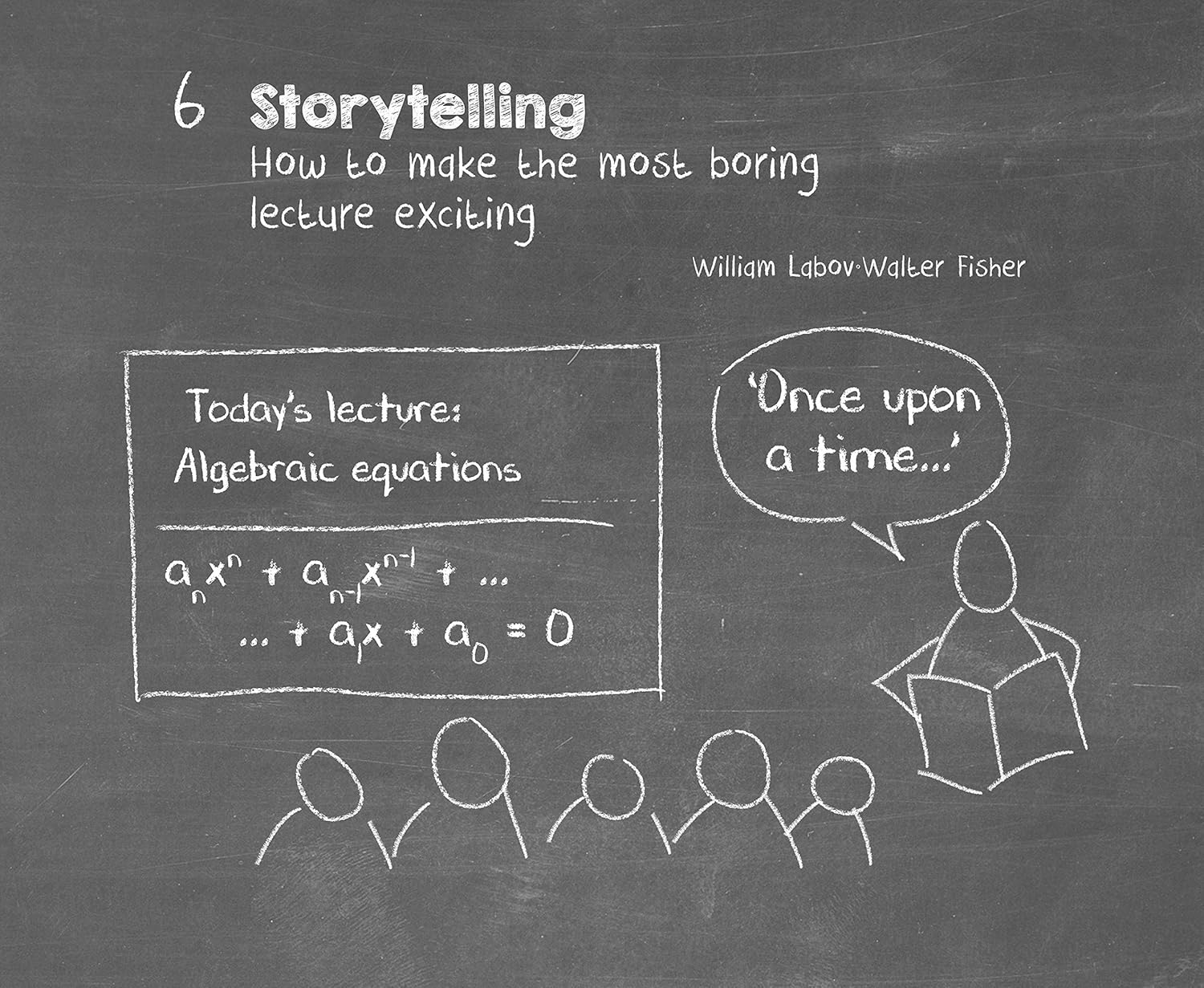
Portfolio Penguin The Communication Book by Mikael Krogerus & Roman Tschäppeler - 44 Ideas for Better Conversations Every Day - HardbackThe Communication Book by Mikael Krogerus and Roman Tschäppeler is a compact hardback that distils the art of talking, listening and persuading into 44 short, practical ideas. Written by the bestselling duo behind The Decision Book, this book blends psychology, classic rhetoric and everyday observation into bite-sized lessons. It's perfect for meetings, negotiations, difficult conversations or simply chatting with friends, helping you turn communication theory into confident, usable habits for work and home life. Across 44 concise chapters, the book explores how we speak, listen, structure information and read the room. Each idea stands alone as a two-to-four page lesson, illustrated with the authors' signature hand-drawn diagrams, so you can dip in wherever a conversation challenge arises rather than reading cover to cover. Topics range from classical techniques to everyday observation, providing you with practical advice to improve your communication skills.8,99 £*Shipping: 2,99 £Secure redirect to the provider
-
How should a design portfolio look?
A design portfolio should be visually appealing and well-organized, showcasing a variety of your best work. It should include a mix of different projects, such as branding, web design, print materials, and any other relevant work. Each project should be presented with high-quality images and a brief description explaining the concept and your role in the project. It's important to keep the portfolio updated with your latest work and to tailor it to the specific job or client you are applying to. **
-
What is the difference between a product portfolio and a process portfolio?
A product portfolio is a collection of all the products or services offered by a company, including their features, benefits, and target markets. It focuses on the range and variety of products a company offers. On the other hand, a process portfolio is a collection of all the processes and procedures used by a company to create, deliver, and support its products or services. It focuses on the methods and systems used to manage and improve the company's operations. In summary, a product portfolio is about the range of products offered, while a process portfolio is about the methods and systems used to create and deliver those products. **
-
How do I create my farewell portfolio?
To create your farewell portfolio, start by selecting your best work samples that showcase your skills and accomplishments. Organize them in a visually appealing and easy-to-navigate format, such as a digital portfolio website or a physical portfolio book. Include a brief introduction about yourself, your career goals, and a summary of your achievements. Don't forget to update your resume and contact information, and consider adding testimonials or recommendations from colleagues or supervisors. Finally, review and proofread your portfolio to ensure it is polished and professional before sharing it with potential employers or colleagues. **
-
How should an architecture portfolio be designed?
An architecture portfolio should be designed in a clean, organized, and visually appealing manner. It should showcase a variety of projects that highlight the breadth and depth of the architect's skills and experience. Including a mix of sketches, renderings, photographs, and drawings can help provide a comprehensive view of the architect's design capabilities. It is important to include a clear and concise description of each project, along with the architect's role and contributions. Lastly, the portfolio should be easy to navigate and should effectively communicate the architect's design aesthetic and style. **
* All prices are inclusive of VAT and, if applicable, plus shipping costs. The offer information is based on the details provided by the respective shop and is updated through automated processes. Real-time updates do not occur, so deviations can occur in individual cases. ** Note: Parts of this content were created by AI.