Buy selfinvest.eu ?
We are moving the project
selfinvest.eu .
Are you interested in purchasing the domain
selfinvest.eu ?
domain@kv-gmbh.de · 0541-91531010
Buy selfinvest.eu ?
Isn't thermal energy kinetic energy?
Thermal energy is actually a form of internal energy within a system due to the motion of its particles. While kinetic energy is associated with the motion of an object as a whole, thermal energy is related to the random motion of particles within a substance. So, while thermal energy involves kinetic energy at the microscopic level, it is not the same as the kinetic energy of an object in motion. **
How is kinetic energy calculated?
Kinetic energy is calculated using the formula: KE = 1/2 * m * v^2, where KE represents kinetic energy, m is the mass of the object in motion, and v is the velocity of the object. This formula shows that kinetic energy is directly proportional to the mass of the object and the square of its velocity. Therefore, an object with a greater mass or higher velocity will have more kinetic energy. **


Similar search terms for Uplifted-Goods-Kinetic-Space
Top-Angebote
Products related to Uplifted-Goods-Kinetic-Space:
-
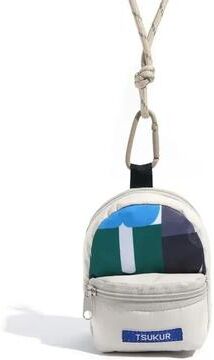
Uplifted Goods Circular Kinetic Micro Storage Pendant sStreamline your organization and achieve peak portability with this Elite Performance Universal Mini Gear Vault. Crafted from premium high density synthetic fiber and featuring specialized impact resistant internal walls, this compact carrier is...32,47 $*Shipping: 0,00 $Secure redirect to the provider
-
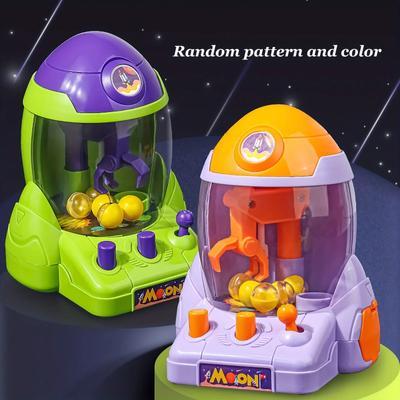
Uplifted Goods Kinetic Space Rocket Prize And Claw Mechanism greenEstablish a high level of engagement management with this High Performance Mechanical Shield. Engineered with a Reinforced Polymeric Structural Shield and a specialized rocketthemed frame, this interactive toy is designed to provide a definitive...34,97 $*Shipping: 0,00 $Secure redirect to the provider
-
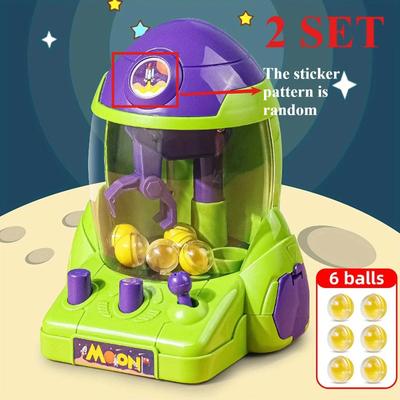
Uplifted Goods Kinetic Space Rocket Prize And Claw Mechanism 2pcs GreenEstablish a high level of engagement management with this High Performance Mechanical Shield. Engineered with a Reinforced Polymeric Structural Shield and a specialized rocketthemed frame, this interactive toy is designed to provide a definitive...49,97 $*Shipping: 0,00 $Secure redirect to the provider
-
Uplifted Goods Circular Kinetic Micro Storage Pendant rStreamline your organization and achieve peak portability with this Elite Performance Universal Mini Gear Vault. Crafted from premium high density synthetic fiber and featuring specialized impact resistant internal walls, this compact carrier is...32,47 $*Shipping: 0,00 $Secure redirect to the provider


-
What is relativistic kinetic energy?
Relativistic kinetic energy is the energy an object possesses due to its motion, taking into account the effects of special relativity. In classical physics, kinetic energy is given by the formula 1/2 mv^2, where m is the mass of the object and v is its velocity. However, at speeds approaching the speed of light, special relativity must be taken into account, and the formula for kinetic energy becomes more complex. The relativistic kinetic energy formula takes into account the increase in an object's mass as it approaches the speed of light, and is given by the formula E = (γ - 1)mc^2, where γ is the Lorentz factor, m is the rest mass of the object, and c is the speed of light. **
-
What is better: Forex trading or crypto?
The decision between Forex trading and crypto trading ultimately depends on individual preferences, risk tolerance, and investment goals. Forex trading involves trading fiat currencies in the foreign exchange market, which is the largest and most liquid market in the world. On the other hand, crypto trading involves buying and selling digital currencies like Bitcoin and Ethereum in the cryptocurrency market, which is known for its high volatility and potential for significant gains. Both markets offer opportunities for profit, but they also come with their own risks and challenges. It is important to thoroughly research and understand both markets before deciding which one is better suited to your investment strategy. **
-
What are complementary goods, substitute goods, and indifferent goods?
Complementary goods are products that are typically used together, such as peanut butter and jelly. When the price of one complementary good increases, the demand for the other complementary good may decrease. Substitute goods are products that can be used in place of each other, such as butter and margarine. When the price of one substitute good increases, the demand for the other substitute good may increase. Indifferent goods are products that consumers see as interchangeable and are indifferent between the two, such as two different brands of bottled water. **
-
What is the course for cryptocurrency trading?
The course for cryptocurrency trading typically covers topics such as understanding blockchain technology, analyzing market trends, technical analysis, risk management, and trading strategies. It also includes practical exercises and simulations to help students gain hands-on experience in trading cryptocurrencies. Additionally, the course may cover the regulatory environment and legal considerations related to cryptocurrency trading. Overall, the course aims to provide students with the knowledge and skills needed to effectively trade cryptocurrencies in the market. **

Who has the greater kinetic energy?
The object with the greater kinetic energy is the one that has a higher mass and velocity. Kinetic energy is directly proportional to both mass and velocity, so an object with a larger mass or higher velocity will have greater kinetic energy. Therefore, the object with the greater kinetic energy would be the one that is heavier and/or moving faster. **
How do you calculate kinetic energy?
Kinetic energy is calculated using the formula: KE = 0.5 * m * v^2, where KE is the kinetic energy, m is the mass of the object, and v is the velocity of the object. To calculate kinetic energy, you need to know the mass of the object in kilograms and the velocity of the object in meters per second. By plugging these values into the formula, you can determine the kinetic energy of the object in joules. **
Top-Angebote
Products related to Uplifted-Goods-Kinetic-Space:
-
Uplifted Goods Kinetic Space Rocket Prize And Claw Mechanism purpleEstablish a high level of engagement management with this High Performance Mechanical Shield. Engineered with a Reinforced Polymeric Structural Shield and a specialized rocketthemed frame, this interactive toy is designed to provide a definitive...34,97 $*Shipping: 0,00 $Secure redirect to the provider
-
Uplifted Goods Kinetic Simulation Crawling Crab Toy greenEstablish a high level of engagement management with this High Performance Mechanical Shield. Engineered with a Reinforced Polymeric Structural Shield and a specialized lateral movement frame, this simulation crab is designed to provide a definitive...34,97 $*Shipping: 0,00 $Secure redirect to the provider
-
Uplifted Goods Circular Kinetic Micro Storage Pendant sStreamline your organization and achieve peak portability with this Elite Performance Universal Mini Gear Vault. Crafted from premium high density synthetic fiber and featuring specialized impact resistant internal walls, this compact carrier is...32,47 $*Shipping: 0,00 $Secure redirect to the provider
-
Uplifted Goods Kinetic Space Rocket Prize And Claw Mechanism greenEstablish a high level of engagement management with this High Performance Mechanical Shield. Engineered with a Reinforced Polymeric Structural Shield and a specialized rocketthemed frame, this interactive toy is designed to provide a definitive...34,97 $*Shipping: 0,00 $Secure redirect to the provider
-
Isn't thermal energy kinetic energy?
Thermal energy is actually a form of internal energy within a system due to the motion of its particles. While kinetic energy is associated with the motion of an object as a whole, thermal energy is related to the random motion of particles within a substance. So, while thermal energy involves kinetic energy at the microscopic level, it is not the same as the kinetic energy of an object in motion. **
-
How is kinetic energy calculated?
Kinetic energy is calculated using the formula: KE = 1/2 * m * v^2, where KE represents kinetic energy, m is the mass of the object in motion, and v is the velocity of the object. This formula shows that kinetic energy is directly proportional to the mass of the object and the square of its velocity. Therefore, an object with a greater mass or higher velocity will have more kinetic energy. **
-
What is relativistic kinetic energy?
Relativistic kinetic energy is the energy an object possesses due to its motion, taking into account the effects of special relativity. In classical physics, kinetic energy is given by the formula 1/2 mv^2, where m is the mass of the object and v is its velocity. However, at speeds approaching the speed of light, special relativity must be taken into account, and the formula for kinetic energy becomes more complex. The relativistic kinetic energy formula takes into account the increase in an object's mass as it approaches the speed of light, and is given by the formula E = (γ - 1)mc^2, where γ is the Lorentz factor, m is the rest mass of the object, and c is the speed of light. **
-
What is better: Forex trading or crypto?
The decision between Forex trading and crypto trading ultimately depends on individual preferences, risk tolerance, and investment goals. Forex trading involves trading fiat currencies in the foreign exchange market, which is the largest and most liquid market in the world. On the other hand, crypto trading involves buying and selling digital currencies like Bitcoin and Ethereum in the cryptocurrency market, which is known for its high volatility and potential for significant gains. Both markets offer opportunities for profit, but they also come with their own risks and challenges. It is important to thoroughly research and understand both markets before deciding which one is better suited to your investment strategy. **
Similar search terms for Uplifted-Goods-Kinetic-Space
-
Uplifted Goods Kinetic Space Rocket Prize And Claw Mechanism 2pcs GreenEstablish a high level of engagement management with this High Performance Mechanical Shield. Engineered with a Reinforced Polymeric Structural Shield and a specialized rocketthemed frame, this interactive toy is designed to provide a definitive...49,97 $*Shipping: 0,00 $Secure redirect to the provider
-
Uplifted Goods Circular Kinetic Micro Storage Pendant rStreamline your organization and achieve peak portability with this Elite Performance Universal Mini Gear Vault. Crafted from premium high density synthetic fiber and featuring specialized impact resistant internal walls, this compact carrier is...32,47 $*Shipping: 0,00 $Secure redirect to the provider
-
Uplifted Goods Circular Kinetic Micro Storage Pendant vStreamline your organization and achieve peak portability with this Elite Performance Universal Mini Gear Vault. Crafted from premium high density synthetic fiber and featuring specialized impact resistant internal walls, this compact carrier is...32,47 $*Shipping: 0,00 $Secure redirect to the provider
-
Uplifted Goods Circular Kinetic Micro Storage Pendant wStreamline your organization and achieve peak portability with this Elite Performance Universal Mini Gear Vault. Crafted from premium high density synthetic fiber and featuring specialized impact resistant internal walls, this compact carrier is...32,47 $*Shipping: 0,00 $Secure redirect to the provider
-
What are complementary goods, substitute goods, and indifferent goods?
Complementary goods are products that are typically used together, such as peanut butter and jelly. When the price of one complementary good increases, the demand for the other complementary good may decrease. Substitute goods are products that can be used in place of each other, such as butter and margarine. When the price of one substitute good increases, the demand for the other substitute good may increase. Indifferent goods are products that consumers see as interchangeable and are indifferent between the two, such as two different brands of bottled water. **
-
What is the course for cryptocurrency trading?
The course for cryptocurrency trading typically covers topics such as understanding blockchain technology, analyzing market trends, technical analysis, risk management, and trading strategies. It also includes practical exercises and simulations to help students gain hands-on experience in trading cryptocurrencies. Additionally, the course may cover the regulatory environment and legal considerations related to cryptocurrency trading. Overall, the course aims to provide students with the knowledge and skills needed to effectively trade cryptocurrencies in the market. **
-
Who has the greater kinetic energy?
The object with the greater kinetic energy is the one that has a higher mass and velocity. Kinetic energy is directly proportional to both mass and velocity, so an object with a larger mass or higher velocity will have greater kinetic energy. Therefore, the object with the greater kinetic energy would be the one that is heavier and/or moving faster. **
-
How do you calculate kinetic energy?
Kinetic energy is calculated using the formula: KE = 0.5 * m * v^2, where KE is the kinetic energy, m is the mass of the object, and v is the velocity of the object. To calculate kinetic energy, you need to know the mass of the object in kilograms and the velocity of the object in meters per second. By plugging these values into the formula, you can determine the kinetic energy of the object in joules. **
* All prices are inclusive of VAT and, if applicable, plus shipping costs. The offer information is based on the details provided by the respective shop and is updated through automated processes. Real-time updates do not occur, so deviations can occur in individual cases. ** Note: Parts of this content were created by AI.