Buy selfinvest.eu ?
We are moving the project
selfinvest.eu .
Are you interested in purchasing the domain
selfinvest.eu ?
domain@kv-gmbh.de · 0541-91531010
Buy selfinvest.eu ?
Do wasps eat other wasps?
Yes, some species of wasps are known to be predatory and will hunt and eat other insects, including other wasps. These predatory wasps may capture and paralyze their prey before feeding on them or bringing them back to their nest to feed their larvae. However, not all wasp species are predatory, and some may primarily feed on nectar and other plant-based food sources. **
Can wasps smell?
Yes, wasps have a strong sense of smell. They use their antennae to detect pheromones released by other wasps, which helps them communicate and navigate. This sense of smell also helps them locate food sources such as nectar and other insects. Overall, their sense of smell plays a crucial role in their survival and social behavior. **

Similar search terms for Wasps
Top-Angebote
Products related to Wasps:
-
KALATY Portfolio Storm Gray HandMade Area RugWelcome guests to your home with the rich grey pattern and hand-woven design of this runner rug. Made of premium wool and Silkette, this runner is durable yet also has a lovely transitional style.595,99 $*Shipping: 0,00 $Secure redirect to the provider



-
What repels wasps?
There are several natural repellents that can help keep wasps away, such as peppermint oil, citronella, and eucalyptus. These scents are unpleasant to wasps and can deter them from coming near. Additionally, planting certain herbs like mint, basil, and thyme in your garden can also help repel wasps. Keeping your outdoor eating areas clean and free of food and sugary drinks can also help prevent attracting wasps in the first place. **
-
What attracts wasps?
Wasps are attracted to a variety of things including sweet smells, sugary foods, and ripe fruits. They are also drawn to protein sources like meat and pet food. Additionally, wasps are attracted to bright colors and strong scents, which can lead them to outdoor gatherings or picnics. It is important to keep these attractants in mind when trying to prevent wasps from becoming a nuisance. **
-
Do wasps suffer?
Wasps are capable of experiencing pain and distress, so it can be said that they do suffer. When wasps are injured or threatened, they exhibit behaviors that suggest they are in pain, such as writhing or attempting to escape. While their nervous systems are not as complex as those of mammals, wasps still have the capacity to feel and respond to negative stimuli. **
-
Types of Wasps
There are several types of wasps, including paper wasps, yellowjackets, and hornets. Paper wasps are known for their distinctive papery nests and are generally less aggressive than other types of wasps. Yellowjackets are known for their yellow and black coloring and are often found near human habitation, where they can become a nuisance. Hornets are the largest of the three and are known for their aggressive behavior when their nests are disturbed. Each type of wasp has its own unique characteristics and behaviors. **
Are wasps slow?
Wasps are not typically slow insects. They are known for their quick and agile movements, especially when they are flying or hunting for food. Their ability to move swiftly and unpredictably can make them difficult to avoid or catch. Additionally, some species of wasps are known for their aggressive behavior, which can make encounters with them even more challenging. **
What about wasps?
Wasps are flying insects that are known for their distinctive black and yellow markings and their ability to sting. They are important for controlling pest insect populations and pollinating plants, but they can also be a nuisance and a potential danger to humans due to their sting. Some species of wasps are also known for building nests in and around human structures, which can lead to conflicts with people. It's important to be cautious around wasps and to take steps to prevent them from nesting in areas where they may come into contact with humans. **
Top-Angebote
Products related to Wasps:
-
John Murray New Scientist 3 Books Set (Why don't Penguins' Feet Freeze, Do Polar Bears get Lonely, Does anything eat Wasps)Why Don't Penguins' Feet Freeze?: And 114 Other Questions Ever wondered why we have fingerprints? Or whether bumblebees really defy the laws of physics when they fly? And why are eggs egg-shaped? And dogs' noses black? Why do our eyes water when we cut onions? Why doesn't superglue stick to the inside of its tube?Why Don't Penguins' Feet Freeze? is popular science at its most entertaining and enlightening. Do Polar Bears Get Lonely?: And 101 Other Intriguing Science Questions Why does garlic make your breath smell? How toothpaste makers get the stripes in toothpaste? Why do we get 'pins and needles'? Why are some people left-handed and other people right-handed? Can insects get fat? Do elephants sneeze? And do fish get thirsty? What causes cells to stick together in the human body rather than simply fall apart? And why are pears pear-shaped (and not apple-shaped)?This all-new and eagerly awaited selection of the best once again presents popular science at its most entertaining and enlightening. Does Anything Eat Wasps: And 101 Other Questions Every year, readers send in thousands of questions to New Scientist, the world's best-selling science weekly, in the hope that the answers to them will be given in the 'Last Word' column - regularly voted the most popular section of the magazine. Does Anything Eat Wasps? is a collection of the best that have appeared, including: Why can't we eat green potatoes? Why do airliners suddenly plummet? Does a compass work in space? Why do all the local dogs howl at emergency sirens? How can a tree grow out of a chimney stack? Why do bruises go through a range of colours? Why is the sea blue inside caves? Many seemingly simple questions are actually very complex to answer. And some that seem difficult have a very simple explanation.12,99 £*Shipping: 2,99 £Secure redirect to the provider
-
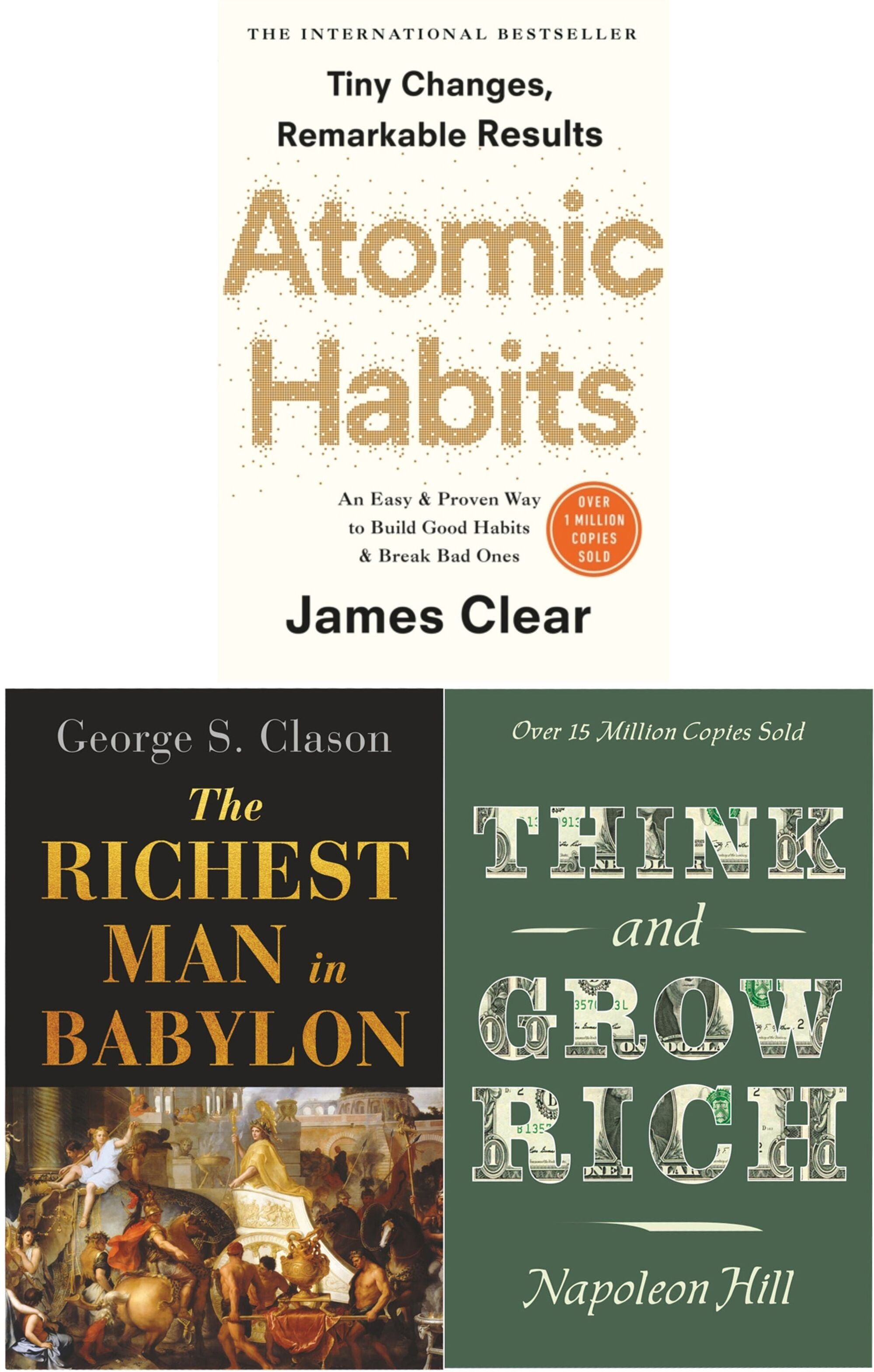
Cornerstone/Wilco Atomic Habits, The Richest Man in Babylon & Think and Grow Rich – 3 Book Collection Set Personal Finance, Wealth & Self-Development ClassicsTransform your habits, mindset, and financial future with this powerful 3-book collection set, featuring three of the most influential books on success, wealth, and personal growth. This essential bundle includes: Atomic Habits by James Clear – Discover how small, consistent habits can lead to extraordinary results and lasting success. The Richest Man in Babylon by George S. Clason – Learn timeless principles of saving, investing, and building wealth through simple financial wisdom. Think and Grow Rich by Napoleon Hill – Unlock the mindset and strategies behind achievement, success, and financial independence. Together, these books provide a complete guide to building better habits, mastering your finances, and developing a success-driven mindset. Ideal for entrepreneurs, professionals, students, and anyone looking to improve their life. Why Readers Love This Collection: Includes 3 bestselling self-help and finance classics Covers habits, wealth-building, and success mindset Practical, timeless advice for real-life results Suitable for beginners and experienced readers Perfect gift for motivation and personal growth A must-have bundle for anyone serious about success, this collection offers proven strategies for achieving long-term growth and financial freedom.14,99 £*Shipping: 2,99 £Secure redirect to the provider
-
Do wasps eat other wasps?
Yes, some species of wasps are known to be predatory and will hunt and eat other insects, including other wasps. These predatory wasps may capture and paralyze their prey before feeding on them or bringing them back to their nest to feed their larvae. However, not all wasp species are predatory, and some may primarily feed on nectar and other plant-based food sources. **
-
Can wasps smell?
Yes, wasps have a strong sense of smell. They use their antennae to detect pheromones released by other wasps, which helps them communicate and navigate. This sense of smell also helps them locate food sources such as nectar and other insects. Overall, their sense of smell plays a crucial role in their survival and social behavior. **
-
What repels wasps?
There are several natural repellents that can help keep wasps away, such as peppermint oil, citronella, and eucalyptus. These scents are unpleasant to wasps and can deter them from coming near. Additionally, planting certain herbs like mint, basil, and thyme in your garden can also help repel wasps. Keeping your outdoor eating areas clean and free of food and sugary drinks can also help prevent attracting wasps in the first place. **
-
What attracts wasps?
Wasps are attracted to a variety of things including sweet smells, sugary foods, and ripe fruits. They are also drawn to protein sources like meat and pet food. Additionally, wasps are attracted to bright colors and strong scents, which can lead them to outdoor gatherings or picnics. It is important to keep these attractants in mind when trying to prevent wasps from becoming a nuisance. **
Similar search terms for Wasps
-
KALATY Portfolio Storm Gray HandMade Area RugWelcome guests to your home with the rich grey pattern and hand-woven design of this runner rug. Made of premium wool and Silkette, this runner is durable yet also has a lovely transitional style.595,99 $*Shipping: 0,00 $Secure redirect to the provider
-
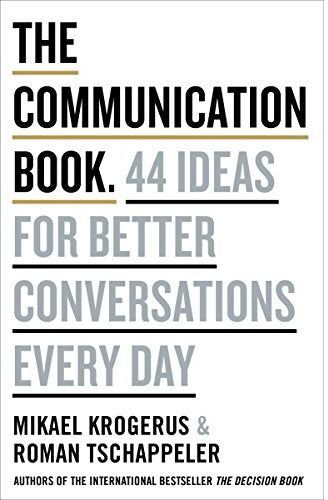
Portfolio Penguin The Communication Book: 44 Ideas for Better Conversations Every DayLEARN THE TECHNIQUES YOU NEED TO COMMUNICATE BETTER AT WORK AND HOME 'Communication is a bit like love - it's what makes the world go round, but nobody really knows how it works.' Struggle to find the words in meetings? Know what you mean but not how to say it? From Aristotle's thoughts on presenting to the Harvard Negotiation Project, internationally bestselling duo Mikael Krogerus and Roman Tschäppeler have 44 tried and tested ideas to change that. Distilled into a single volume, their winning marriage of practicality and humour turns seemingly difficult ideas into clear and entertaining diagrams that will help you: -Brush up on your listening skills and small talk -Run better meetings -Improve the conversations in your head Whether you're a CEO, just starting out or want to improve your relationships at home, this guide will improve your communication skills and help you form more meaningful connections.6,99 £*Shipping: 2,99 £Secure redirect to the provider
-
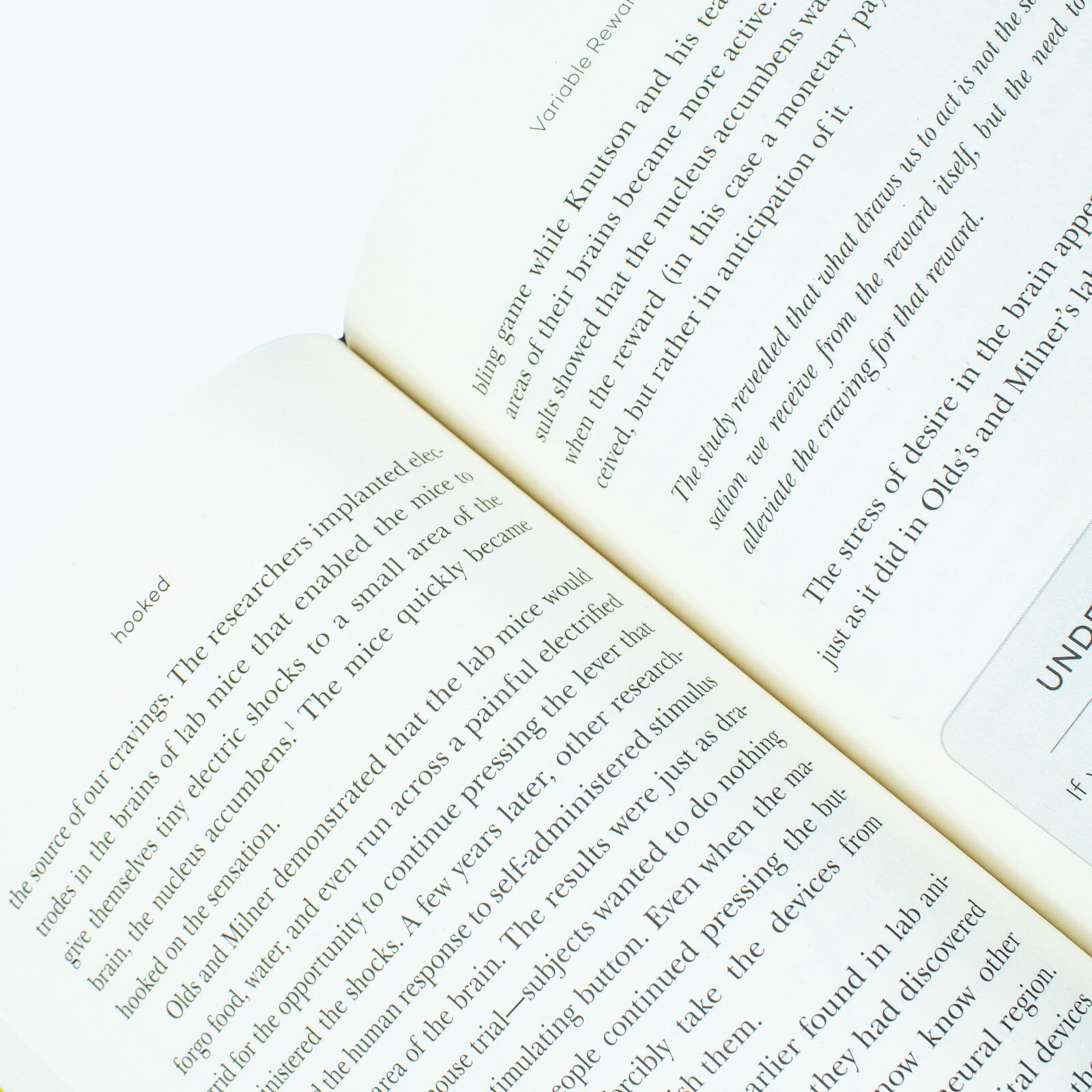
Portfolio Penguin Hooked: How to Build Habit-Forming Products by Nir EyalNir Eyal reveals how successful companies create products people can't put down - and how you can tooWhy do some products capture our attention while others flop? What makes us engage with certain things out of sheer habit? Is there an underlying pattern to how technologies hook us?Nir Eyal answers these questions (and many more) with the Hook Model - a four-step process that, when embedded into products, subtly encourages customer behaviour. Through consecutive "hook cycles," these products bring people back again and again without depending on costly advertising or aggressive messaging.Hooked is based on Eyal's years of research, consulting, and practical experience. He wrote the book he wished had been available to him as a start-up founder - not abstract theory, but a how-to guide for building better products. Hooked is written for product managers, designers, marketers, start-up founders, and anyone who seeks to understand how products influence our behaviour.Eyal provides readers with practical insights to create user habits that stick; actionable steps for building products people love; and riveting examples from the iPhone to Twitter, Pinterest and the Bible App.7,98 £*Shipping: 2,99 £Secure redirect to the provider
-
Do wasps suffer?
Wasps are capable of experiencing pain and distress, so it can be said that they do suffer. When wasps are injured or threatened, they exhibit behaviors that suggest they are in pain, such as writhing or attempting to escape. While their nervous systems are not as complex as those of mammals, wasps still have the capacity to feel and respond to negative stimuli. **
-
Types of Wasps
There are several types of wasps, including paper wasps, yellowjackets, and hornets. Paper wasps are known for their distinctive papery nests and are generally less aggressive than other types of wasps. Yellowjackets are known for their yellow and black coloring and are often found near human habitation, where they can become a nuisance. Hornets are the largest of the three and are known for their aggressive behavior when their nests are disturbed. Each type of wasp has its own unique characteristics and behaviors. **
-
Are wasps slow?
Wasps are not typically slow insects. They are known for their quick and agile movements, especially when they are flying or hunting for food. Their ability to move swiftly and unpredictably can make them difficult to avoid or catch. Additionally, some species of wasps are known for their aggressive behavior, which can make encounters with them even more challenging. **
-
What about wasps?
Wasps are flying insects that are known for their distinctive black and yellow markings and their ability to sting. They are important for controlling pest insect populations and pollinating plants, but they can also be a nuisance and a potential danger to humans due to their sting. Some species of wasps are also known for building nests in and around human structures, which can lead to conflicts with people. It's important to be cautious around wasps and to take steps to prevent them from nesting in areas where they may come into contact with humans. **
* All prices are inclusive of VAT and, if applicable, plus shipping costs. The offer information is based on the details provided by the respective shop and is updated through automated processes. Real-time updates do not occur, so deviations can occur in individual cases. ** Note: Parts of this content were created by AI.