Buy selfinvest.eu ?
We are moving the project
selfinvest.eu .
Are you interested in purchasing the domain
selfinvest.eu ?
domain@kv-gmbh.de · 0541-91531010
Buy selfinvest.eu ?
Which plants are decomposers or decomposers?
Decomposers are organisms that break down dead organic matter, such as leaves, wood, and other plant material. Fungi, such as mushrooms and molds, are the primary decomposers in most ecosystems. Some bacteria and insects also play a role in decomposition. Plants, on the other hand, are not typically decomposers. They are usually producers, using sunlight to create energy through photosynthesis. **
What are decomposers?
Decomposers are organisms that break down dead organic matter, such as dead plants and animals, into simpler substances. They play a crucial role in the ecosystem by recycling nutrients back into the soil, which can then be used by plants for growth. Examples of decomposers include bacteria, fungi, and certain types of insects. Without decomposers, dead organic matter would accumulate and nutrients would not be recycled, leading to a disruption in the balance of the ecosystem. **

Similar search terms for Decomposers
Top-Angebote
Products related to Decomposers:
-
KALATY Portfolio Storm Gray HandMade Area RugWelcome guests to your home with the rich grey pattern and hand-woven design of this runner rug. Made of premium wool and Silkette, this runner is durable yet also has a lovely transitional style.595,99 $*Shipping: 0,00 $Secure redirect to the provider
-
Portfolio Penguin The Communication Book: 44 Ideas for Better Conversations Every DayLEARN THE TECHNIQUES YOU NEED TO COMMUNICATE BETTER AT WORK AND HOME 'Communication is a bit like love - it's what makes the world go round, but nobody really knows how it works.' Struggle to find the words in meetings? Know what you mean but not how to say it? From Aristotle's thoughts on presenting to the Harvard Negotiation Project, internationally bestselling duo Mikael Krogerus and Roman Tschäppeler have 44 tried and tested ideas to change that. Distilled into a single volume, their winning marriage of practicality and humour turns seemingly difficult ideas into clear and entertaining diagrams that will help you: -Brush up on your listening skills and small talk -Run better meetings -Improve the conversations in your head Whether you're a CEO, just starting out or want to improve your relationships at home, this guide will improve your communication skills and help you form more meaningful connections.6,99 £*Shipping: 2,99 £Secure redirect to the provider



-
Are these the decomposers?
Yes, the organisms in the image are decomposers. Decomposers are organisms that break down dead organic matter, such as leaves, wood, and other plant material, into simpler substances. They play a crucial role in the ecosystem by recycling nutrients and returning them to the soil for use by plants. The organisms in the image appear to be fungi and bacteria, which are common decomposers in many ecosystems. **
-
What are producers, consumers, and decomposers?
Producers are organisms that create their own food through photosynthesis or chemosynthesis, such as plants and some types of bacteria. Consumers are organisms that obtain their energy by consuming other organisms, such as animals that eat plants or other animals. Decomposers are organisms that break down dead organic matter, such as fungi and bacteria, returning nutrients to the soil for producers to use again. Together, these three groups play a vital role in the flow of energy and nutrients in an ecosystem. **
-
What is a good explanation for decomposers?
Decomposers play a crucial role in ecosystems by breaking down dead organic matter, such as plants and animals, into simpler substances. This process releases nutrients back into the soil, which can then be used by plants for growth. Without decomposers, dead organic matter would accumulate, leading to a decrease in nutrient availability and hindering the recycling of essential elements in the ecosystem. Ultimately, decomposers help maintain the balance and health of ecosystems by facilitating the breakdown and recycling of organic matter. **
-
What are the tasks of the decomposers?
Decomposers play a crucial role in breaking down dead organic matter, such as dead plants and animals, into simpler substances like carbon dioxide, water, and minerals. By doing so, they help to recycle nutrients back into the ecosystem, making them available for other organisms to use. Decomposers also help to clean up and remove waste from the environment, contributing to the overall health and balance of ecosystems. **

Do decomposers exist in desert ecosystems at all?
Yes, decomposers do exist in desert ecosystems. While the extreme conditions of deserts, such as low moisture and high temperatures, can limit the abundance and diversity of decomposers, there are still organisms that play a role in breaking down organic matter. These may include bacteria, fungi, and invertebrates like termites and ants. Their activity is important for nutrient cycling and soil formation in desert environments. **
What is the energy source for consumers, producers, and decomposers?
The energy source for consumers, producers, and decomposers is the sun. Producers, such as plants, use sunlight to convert carbon dioxide and water into energy through the process of photosynthesis. Consumers, such as animals, obtain their energy by consuming producers or other consumers. Decomposers, such as bacteria and fungi, break down organic matter and release the energy stored in the matter back into the ecosystem. Ultimately, all energy in an ecosystem can be traced back to the sun. **
Top-Angebote
Products related to Decomposers:
-
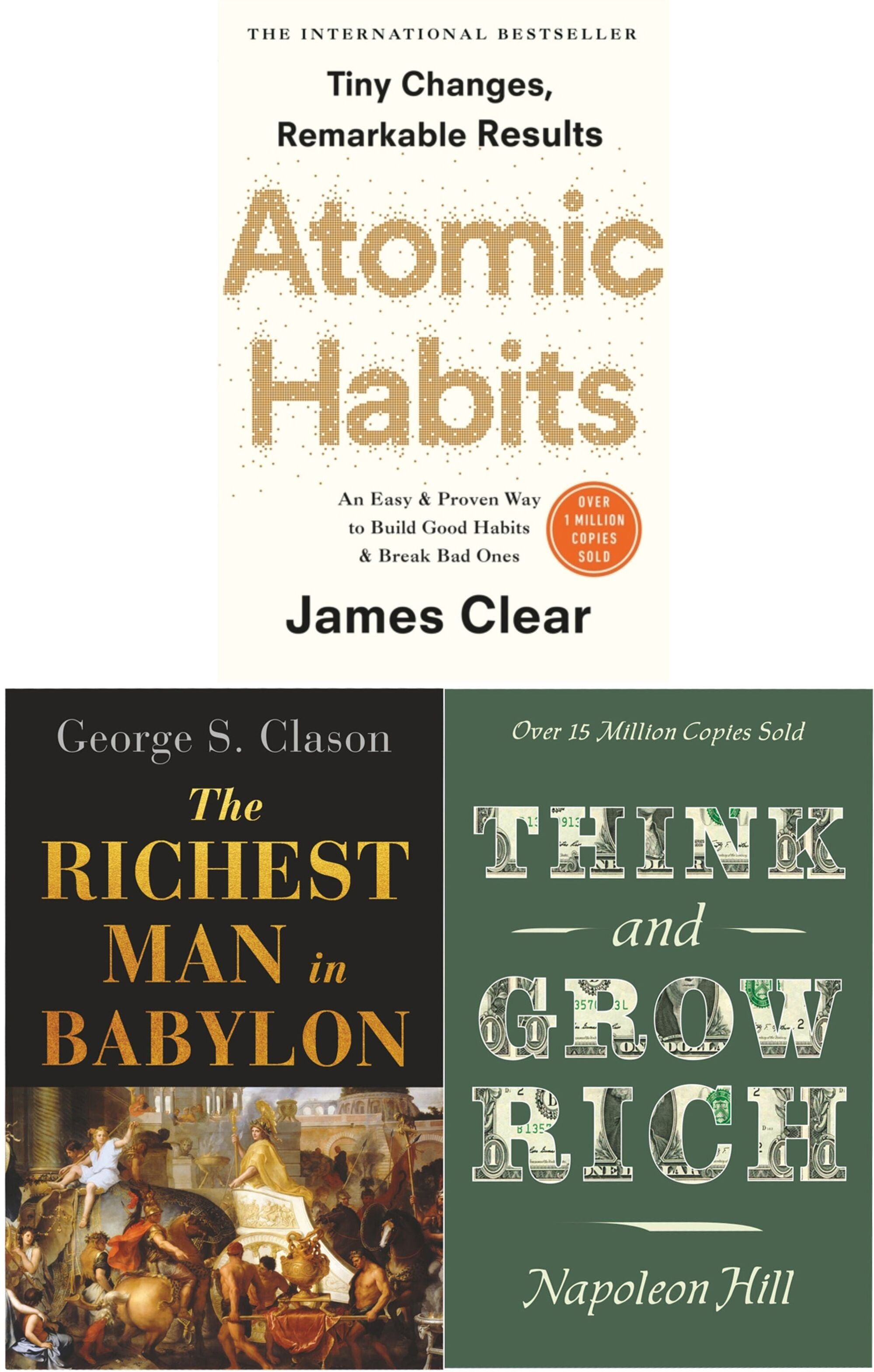
Cornerstone/Wilco Atomic Habits, The Richest Man in Babylon & Think and Grow Rich – 3 Book Collection Set Personal Finance, Wealth & Self-Development ClassicsTransform your habits, mindset, and financial future with this powerful 3-book collection set, featuring three of the most influential books on success, wealth, and personal growth. This essential bundle includes: Atomic Habits by James Clear – Discover how small, consistent habits can lead to extraordinary results and lasting success. The Richest Man in Babylon by George S. Clason – Learn timeless principles of saving, investing, and building wealth through simple financial wisdom. Think and Grow Rich by Napoleon Hill – Unlock the mindset and strategies behind achievement, success, and financial independence. Together, these books provide a complete guide to building better habits, mastering your finances, and developing a success-driven mindset. Ideal for entrepreneurs, professionals, students, and anyone looking to improve their life. Why Readers Love This Collection: Includes 3 bestselling self-help and finance classics Covers habits, wealth-building, and success mindset Practical, timeless advice for real-life results Suitable for beginners and experienced readers Perfect gift for motivation and personal growth A must-have bundle for anyone serious about success, this collection offers proven strategies for achieving long-term growth and financial freedom.14,99 £*Shipping: 2,99 £Secure redirect to the provider
-
KALATY Portfolio Storm Gray HandMade Area RugWelcome guests to your home with the rich grey pattern and hand-woven design of this runner rug. Made of premium wool and Silkette, this runner is durable yet also has a lovely transitional style.595,99 $*Shipping: 0,00 $Secure redirect to the provider
-
Which plants are decomposers or decomposers?
Decomposers are organisms that break down dead organic matter, such as leaves, wood, and other plant material. Fungi, such as mushrooms and molds, are the primary decomposers in most ecosystems. Some bacteria and insects also play a role in decomposition. Plants, on the other hand, are not typically decomposers. They are usually producers, using sunlight to create energy through photosynthesis. **
-
What are decomposers?
Decomposers are organisms that break down dead organic matter, such as dead plants and animals, into simpler substances. They play a crucial role in the ecosystem by recycling nutrients back into the soil, which can then be used by plants for growth. Examples of decomposers include bacteria, fungi, and certain types of insects. Without decomposers, dead organic matter would accumulate and nutrients would not be recycled, leading to a disruption in the balance of the ecosystem. **
-
Are these the decomposers?
Yes, the organisms in the image are decomposers. Decomposers are organisms that break down dead organic matter, such as leaves, wood, and other plant material, into simpler substances. They play a crucial role in the ecosystem by recycling nutrients and returning them to the soil for use by plants. The organisms in the image appear to be fungi and bacteria, which are common decomposers in many ecosystems. **
-
What are producers, consumers, and decomposers?
Producers are organisms that create their own food through photosynthesis or chemosynthesis, such as plants and some types of bacteria. Consumers are organisms that obtain their energy by consuming other organisms, such as animals that eat plants or other animals. Decomposers are organisms that break down dead organic matter, such as fungi and bacteria, returning nutrients to the soil for producers to use again. Together, these three groups play a vital role in the flow of energy and nutrients in an ecosystem. **
Similar search terms for Decomposers
-
Portfolio Penguin The Communication Book: 44 Ideas for Better Conversations Every DayLEARN THE TECHNIQUES YOU NEED TO COMMUNICATE BETTER AT WORK AND HOME 'Communication is a bit like love - it's what makes the world go round, but nobody really knows how it works.' Struggle to find the words in meetings? Know what you mean but not how to say it? From Aristotle's thoughts on presenting to the Harvard Negotiation Project, internationally bestselling duo Mikael Krogerus and Roman Tschäppeler have 44 tried and tested ideas to change that. Distilled into a single volume, their winning marriage of practicality and humour turns seemingly difficult ideas into clear and entertaining diagrams that will help you: -Brush up on your listening skills and small talk -Run better meetings -Improve the conversations in your head Whether you're a CEO, just starting out or want to improve your relationships at home, this guide will improve your communication skills and help you form more meaningful connections.6,99 £*Shipping: 2,99 £Secure redirect to the provider
-
Portfolio Penguin Hooked: How to Build Habit-Forming Products by Nir EyalNir Eyal reveals how successful companies create products people can't put down - and how you can tooWhy do some products capture our attention while others flop? What makes us engage with certain things out of sheer habit? Is there an underlying pattern to how technologies hook us?Nir Eyal answers these questions (and many more) with the Hook Model - a four-step process that, when embedded into products, subtly encourages customer behaviour. Through consecutive "hook cycles," these products bring people back again and again without depending on costly advertising or aggressive messaging.Hooked is based on Eyal's years of research, consulting, and practical experience. He wrote the book he wished had been available to him as a start-up founder - not abstract theory, but a how-to guide for building better products. Hooked is written for product managers, designers, marketers, start-up founders, and anyone who seeks to understand how products influence our behaviour.Eyal provides readers with practical insights to create user habits that stick; actionable steps for building products people love; and riveting examples from the iPhone to Twitter, Pinterest and the Bible App.7,98 £*Shipping: 2,99 £Secure redirect to the provider
-
"Stupell Merry Christmas Cardinals Outdoor Door Mat, design by Dogwood Portfolio, 18""x30"""Bring the timeless charm of natural fibers to your space with our woven imitation sisal mats — designed to offer the rich texture of sisal without sacrificing performance.40,66 $*Shipping: 0,00 $Secure redirect to the provider
-
What is a good explanation for decomposers?
Decomposers play a crucial role in ecosystems by breaking down dead organic matter, such as plants and animals, into simpler substances. This process releases nutrients back into the soil, which can then be used by plants for growth. Without decomposers, dead organic matter would accumulate, leading to a decrease in nutrient availability and hindering the recycling of essential elements in the ecosystem. Ultimately, decomposers help maintain the balance and health of ecosystems by facilitating the breakdown and recycling of organic matter. **
-
What are the tasks of the decomposers?
Decomposers play a crucial role in breaking down dead organic matter, such as dead plants and animals, into simpler substances like carbon dioxide, water, and minerals. By doing so, they help to recycle nutrients back into the ecosystem, making them available for other organisms to use. Decomposers also help to clean up and remove waste from the environment, contributing to the overall health and balance of ecosystems. **
-
Do decomposers exist in desert ecosystems at all?
Yes, decomposers do exist in desert ecosystems. While the extreme conditions of deserts, such as low moisture and high temperatures, can limit the abundance and diversity of decomposers, there are still organisms that play a role in breaking down organic matter. These may include bacteria, fungi, and invertebrates like termites and ants. Their activity is important for nutrient cycling and soil formation in desert environments. **
-
What is the energy source for consumers, producers, and decomposers?
The energy source for consumers, producers, and decomposers is the sun. Producers, such as plants, use sunlight to convert carbon dioxide and water into energy through the process of photosynthesis. Consumers, such as animals, obtain their energy by consuming producers or other consumers. Decomposers, such as bacteria and fungi, break down organic matter and release the energy stored in the matter back into the ecosystem. Ultimately, all energy in an ecosystem can be traced back to the sun. **
* All prices are inclusive of VAT and, if applicable, plus shipping costs. The offer information is based on the details provided by the respective shop and is updated through automated processes. Real-time updates do not occur, so deviations can occur in individual cases. ** Note: Parts of this content were created by AI.