Buy selfinvest.eu ?
We are moving the project
selfinvest.eu .
Are you interested in purchasing the domain
selfinvest.eu ?
domain@kv-gmbh.de · 0541-91531010
Buy selfinvest.eu ?
Was Stalin popular?
Stalin was popular among some segments of the Soviet population, particularly among the working class and the rural peasantry. His leadership during World War II and the industrialization of the Soviet Union contributed to his popularity among these groups. However, his policies also led to widespread repression, purges, and famine, which resulted in significant opposition and fear among many Soviet citizens. Overall, Stalin's popularity was mixed, with some supporting him for his achievements and others fearing his authoritarian rule. **
'Josef Stalin Kinder' translates to 'Joseph Stalin Children' in English.
The phrase "Josef Stalin Kinder" translates to "Joseph Stalin Children" in English. This phrase refers to the system of orphanages and children's homes established in the Soviet Union during Stalin's rule. These institutions were named after Stalin and were used to indoctrinate children with communist ideology and loyalty to the state. The use of Stalin's name in the title of these institutions reflects the cult of personality that surrounded him during his rule. **

Similar search terms for Stalin
Top-Angebote
Products related to Stalin:
-
KALATY Portfolio Storm Gray HandMade Area RugWelcome guests to your home with the rich grey pattern and hand-woven design of this runner rug. Made of premium wool and Silkette, this runner is durable yet also has a lovely transitional style.595,99 $*Shipping: 0,00 $Secure redirect to the provider
-
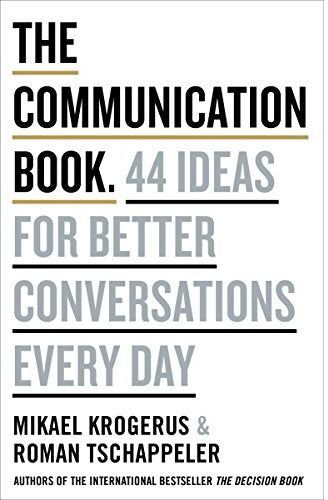
Portfolio Penguin The Communication Book: 44 Ideas for Better Conversations Every DayLEARN THE TECHNIQUES YOU NEED TO COMMUNICATE BETTER AT WORK AND HOME 'Communication is a bit like love - it's what makes the world go round, but nobody really knows how it works.' Struggle to find the words in meetings? Know what you mean but not how to say it? From Aristotle's thoughts on presenting to the Harvard Negotiation Project, internationally bestselling duo Mikael Krogerus and Roman Tschäppeler have 44 tried and tested ideas to change that. Distilled into a single volume, their winning marriage of practicality and humour turns seemingly difficult ideas into clear and entertaining diagrams that will help you: -Brush up on your listening skills and small talk -Run better meetings -Improve the conversations in your head Whether you're a CEO, just starting out or want to improve your relationships at home, this guide will improve your communication skills and help you form more meaningful connections.6,99 £*Shipping: 2,99 £Secure redirect to the provider


-
Is Stalin a communist?
Stalin was a prominent figure in the Soviet Union and the leader of the Communist Party. He implemented policies that were based on communist ideology, such as collectivization of agriculture and industrialization. However, there is debate among scholars and historians about whether Stalin truly adhered to the principles of communism, as his regime was characterized by authoritarianism, repression, and a cult of personality. Some argue that Stalin's actions deviated from true communist ideals, while others view him as a communist leader who used extreme measures to consolidate power. **
-
Was Stalin a communist?
Yes, Stalin was a communist. He was a key figure in the establishment of the Soviet Union and the leader of the Communist Party of the Soviet Union. Stalin implemented policies that aimed to create a socialist society based on Marxist-Leninist principles, including collectivization of agriculture and industrialization. Despite his authoritarian rule and deviation from some communist ideals, Stalin identified as a communist and sought to advance the goals of the communist movement. **
-
Who did Stalin kill?
Stalin is responsible for the deaths of millions of people during his rule in the Soviet Union. He targeted political opponents, intellectuals, and anyone perceived as a threat to his power. His policies, including forced collectivization and the Great Purge, led to the deaths of millions through executions, forced labor camps, and famine. Additionally, Stalin's policies and actions caused the deaths of countless others through indirect means such as neglect, starvation, and harsh living conditions. **
-
Do Russians like Stalin?
Opinions on Stalin in Russia are divided. Some Russians view Stalin as a strong leader who modernized the country and led the Soviet Union to victory in World War II. Others, however, see him as a brutal dictator responsible for the deaths of millions of people during his reign. Overall, attitudes towards Stalin in Russia are complex and vary depending on individual perspectives and experiences. **

Did Stalin develop fascism?
No, Stalin did not develop fascism. Fascism is a far-right, authoritarian ultranationalism characterized by dictatorial power, forcible suppression of opposition, and strong regimentation of society and the economy. Stalin, on the other hand, was the leader of the Soviet Union and a proponent of communism, which is a far-left ideology that advocates for the collective ownership of the means of production and the elimination of class distinctions. While both ideologies are authoritarian in nature, they are fundamentally different in their principles and goals. **
How did Stalin react?
Stalin reacted to the German invasion of the Soviet Union with shock and disbelief. He initially struggled to comprehend the scale of the attack and was slow to respond, leading to significant initial losses for the Soviet forces. However, once he grasped the gravity of the situation, Stalin took decisive action to rally the Soviet people and mobilize the military for a prolonged and brutal struggle against the German forces. He also sought support from the Allies, particularly the United States and Britain, to aid in the fight against Nazi Germany. **
Top-Angebote
Products related to Stalin:
-
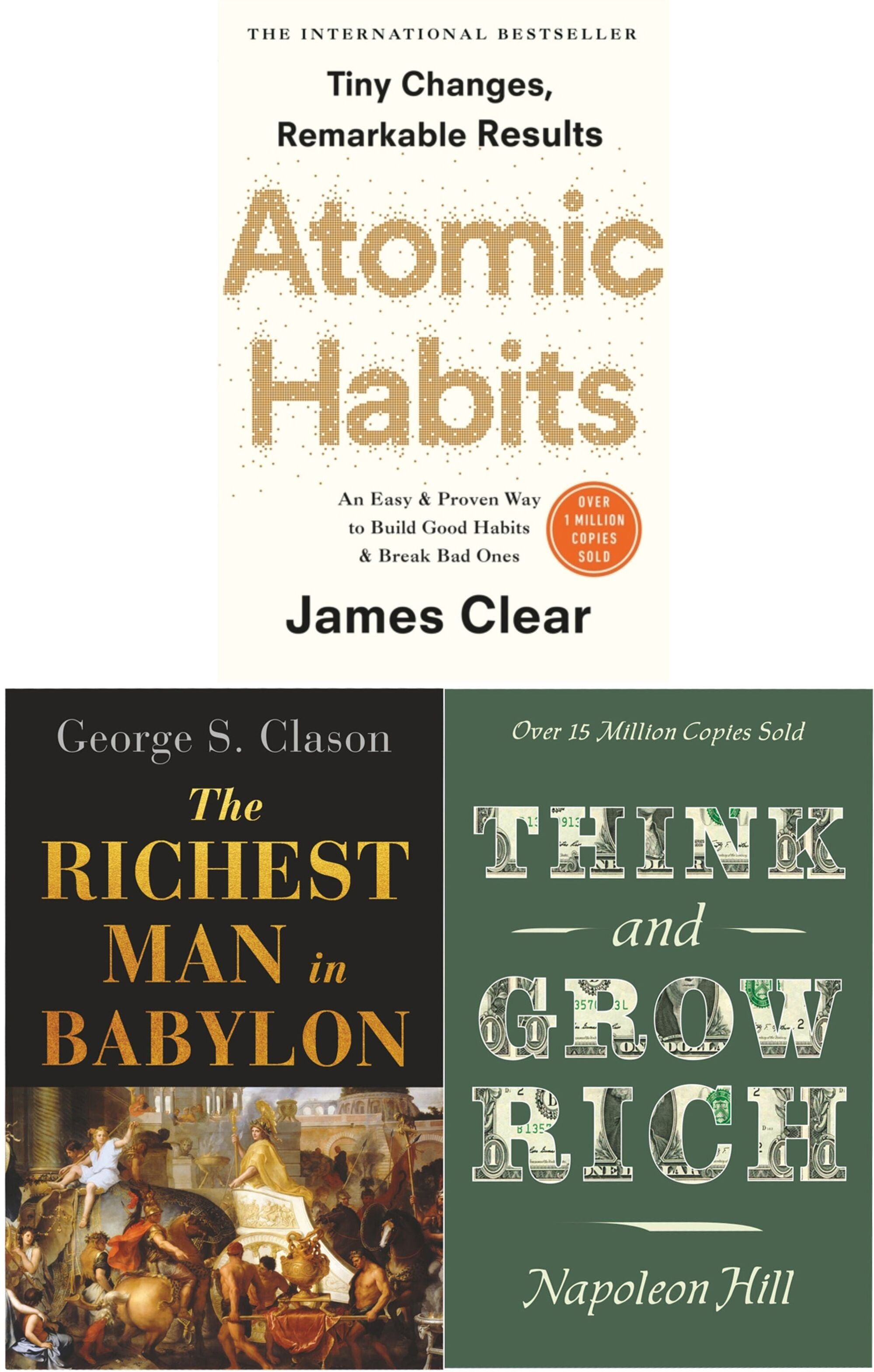
Cornerstone/Wilco Atomic Habits, The Richest Man in Babylon & Think and Grow Rich – 3 Book Collection Set Personal Finance, Wealth & Self-Development ClassicsTransform your habits, mindset, and financial future with this powerful 3-book collection set, featuring three of the most influential books on success, wealth, and personal growth. This essential bundle includes: Atomic Habits by James Clear – Discover how small, consistent habits can lead to extraordinary results and lasting success. The Richest Man in Babylon by George S. Clason – Learn timeless principles of saving, investing, and building wealth through simple financial wisdom. Think and Grow Rich by Napoleon Hill – Unlock the mindset and strategies behind achievement, success, and financial independence. Together, these books provide a complete guide to building better habits, mastering your finances, and developing a success-driven mindset. Ideal for entrepreneurs, professionals, students, and anyone looking to improve their life. Why Readers Love This Collection: Includes 3 bestselling self-help and finance classics Covers habits, wealth-building, and success mindset Practical, timeless advice for real-life results Suitable for beginners and experienced readers Perfect gift for motivation and personal growth A must-have bundle for anyone serious about success, this collection offers proven strategies for achieving long-term growth and financial freedom.14,99 £*Shipping: 2,99 £Secure redirect to the provider
-
KALATY Portfolio Storm Gray HandMade Area RugWelcome guests to your home with the rich grey pattern and hand-woven design of this runner rug. Made of premium wool and Silkette, this runner is durable yet also has a lovely transitional style.595,99 $*Shipping: 0,00 $Secure redirect to the provider
-
Was Stalin popular?
Stalin was popular among some segments of the Soviet population, particularly among the working class and the rural peasantry. His leadership during World War II and the industrialization of the Soviet Union contributed to his popularity among these groups. However, his policies also led to widespread repression, purges, and famine, which resulted in significant opposition and fear among many Soviet citizens. Overall, Stalin's popularity was mixed, with some supporting him for his achievements and others fearing his authoritarian rule. **
-
'Josef Stalin Kinder' translates to 'Joseph Stalin Children' in English.
The phrase "Josef Stalin Kinder" translates to "Joseph Stalin Children" in English. This phrase refers to the system of orphanages and children's homes established in the Soviet Union during Stalin's rule. These institutions were named after Stalin and were used to indoctrinate children with communist ideology and loyalty to the state. The use of Stalin's name in the title of these institutions reflects the cult of personality that surrounded him during his rule. **
-
Is Stalin a communist?
Stalin was a prominent figure in the Soviet Union and the leader of the Communist Party. He implemented policies that were based on communist ideology, such as collectivization of agriculture and industrialization. However, there is debate among scholars and historians about whether Stalin truly adhered to the principles of communism, as his regime was characterized by authoritarianism, repression, and a cult of personality. Some argue that Stalin's actions deviated from true communist ideals, while others view him as a communist leader who used extreme measures to consolidate power. **
-
Was Stalin a communist?
Yes, Stalin was a communist. He was a key figure in the establishment of the Soviet Union and the leader of the Communist Party of the Soviet Union. Stalin implemented policies that aimed to create a socialist society based on Marxist-Leninist principles, including collectivization of agriculture and industrialization. Despite his authoritarian rule and deviation from some communist ideals, Stalin identified as a communist and sought to advance the goals of the communist movement. **
Similar search terms for Stalin
-
Portfolio Penguin The Communication Book: 44 Ideas for Better Conversations Every DayLEARN THE TECHNIQUES YOU NEED TO COMMUNICATE BETTER AT WORK AND HOME 'Communication is a bit like love - it's what makes the world go round, but nobody really knows how it works.' Struggle to find the words in meetings? Know what you mean but not how to say it? From Aristotle's thoughts on presenting to the Harvard Negotiation Project, internationally bestselling duo Mikael Krogerus and Roman Tschäppeler have 44 tried and tested ideas to change that. Distilled into a single volume, their winning marriage of practicality and humour turns seemingly difficult ideas into clear and entertaining diagrams that will help you: -Brush up on your listening skills and small talk -Run better meetings -Improve the conversations in your head Whether you're a CEO, just starting out or want to improve your relationships at home, this guide will improve your communication skills and help you form more meaningful connections.6,99 £*Shipping: 2,99 £Secure redirect to the provider
-
Portfolio Penguin Hooked: How to Build Habit-Forming Products by Nir EyalNir Eyal reveals how successful companies create products people can't put down - and how you can tooWhy do some products capture our attention while others flop? What makes us engage with certain things out of sheer habit? Is there an underlying pattern to how technologies hook us?Nir Eyal answers these questions (and many more) with the Hook Model - a four-step process that, when embedded into products, subtly encourages customer behaviour. Through consecutive "hook cycles," these products bring people back again and again without depending on costly advertising or aggressive messaging.Hooked is based on Eyal's years of research, consulting, and practical experience. He wrote the book he wished had been available to him as a start-up founder - not abstract theory, but a how-to guide for building better products. Hooked is written for product managers, designers, marketers, start-up founders, and anyone who seeks to understand how products influence our behaviour.Eyal provides readers with practical insights to create user habits that stick; actionable steps for building products people love; and riveting examples from the iPhone to Twitter, Pinterest and the Bible App.7,98 £*Shipping: 2,99 £Secure redirect to the provider
-
"Stupell Merry Christmas Cardinals Outdoor Door Mat, design by Dogwood Portfolio, 18""x30"""Bring the timeless charm of natural fibers to your space with our woven imitation sisal mats — designed to offer the rich texture of sisal without sacrificing performance.40,66 $*Shipping: 0,00 $Secure redirect to the provider
-
Who did Stalin kill?
Stalin is responsible for the deaths of millions of people during his rule in the Soviet Union. He targeted political opponents, intellectuals, and anyone perceived as a threat to his power. His policies, including forced collectivization and the Great Purge, led to the deaths of millions through executions, forced labor camps, and famine. Additionally, Stalin's policies and actions caused the deaths of countless others through indirect means such as neglect, starvation, and harsh living conditions. **
-
Do Russians like Stalin?
Opinions on Stalin in Russia are divided. Some Russians view Stalin as a strong leader who modernized the country and led the Soviet Union to victory in World War II. Others, however, see him as a brutal dictator responsible for the deaths of millions of people during his reign. Overall, attitudes towards Stalin in Russia are complex and vary depending on individual perspectives and experiences. **
-
Did Stalin develop fascism?
No, Stalin did not develop fascism. Fascism is a far-right, authoritarian ultranationalism characterized by dictatorial power, forcible suppression of opposition, and strong regimentation of society and the economy. Stalin, on the other hand, was the leader of the Soviet Union and a proponent of communism, which is a far-left ideology that advocates for the collective ownership of the means of production and the elimination of class distinctions. While both ideologies are authoritarian in nature, they are fundamentally different in their principles and goals. **
-
How did Stalin react?
Stalin reacted to the German invasion of the Soviet Union with shock and disbelief. He initially struggled to comprehend the scale of the attack and was slow to respond, leading to significant initial losses for the Soviet forces. However, once he grasped the gravity of the situation, Stalin took decisive action to rally the Soviet people and mobilize the military for a prolonged and brutal struggle against the German forces. He also sought support from the Allies, particularly the United States and Britain, to aid in the fight against Nazi Germany. **
* All prices are inclusive of VAT and, if applicable, plus shipping costs. The offer information is based on the details provided by the respective shop and is updated through automated processes. Real-time updates do not occur, so deviations can occur in individual cases. ** Note: Parts of this content were created by AI.